Are Subscription-Based SaaS Models Still Worth It in 2026?
29 April 2026
Let’s be real for a second: if you’re running a tech business or even just using software daily, you’ve probably had that moment where you stare at your monthly SaaS bills and think, “Am I getting scammed by a recurring charge?” Subscription fatigue is real. We’ve all been there—signing up for a $29/month tool, forgetting about it, and then realizing six months later you’ve paid for a service you used twice. Ouch.
But here’s the twist: in 2026, the subscription model isn’t dying. It’s evolving. It’s like that old pair of jeans you thought you’d throw away, but then you add some patches, tighten the waistband, and suddenly they’re your favorite pair again. So, are subscription-based SaaS models still worth it in 2026? The short answer: yes, but not in the way you think. The long answer? Buckle up, because we’re diving deep into the economics, psychology, and future of recurring revenue.
The Subscription Model: A Love-Hate Relationship
Remember when subscriptions were the golden goose? Around 2015, every startup wanted to be “the Netflix of [insert industry].” It made sense: predictable revenue, lower upfront costs for customers, and a steady stream of cash to fuel growth. Fast forward to 2026, and the landscape has shifted. We’re seeing subscription burnout on both sides—businesses struggling with churn, and customers feeling nickel-and-dimed.But here’s the thing: the model isn’t broken. It’s just matured. Think of it like a relationship. The honeymoon phase is over. Now we’re in the “let’s figure out if this actually works” phase. And for many SaaS companies, the answer is a resounding “yes”—if they adapt.
Why Subscriptions Still Win (Even in 2026)
Let’s start with the obvious benefits. For businesses, recurring revenue is the holy grail. It smooths out cash flow, allows for better forecasting, and reduces the need for constant sales cycles. For customers, it lowers the barrier to entry. Instead of dropping $5,000 on a perpetual license, you pay $50 a month. That’s a no-brainer for startups and small businesses.But in 2026, the real magic is in the data. Subscription models give companies a direct line to user behavior. They know when you log in, what features you use, and when you’re about to cancel. This data allows for hyper-personalization—think of it as a concierge service for your software. Imagine a CRM that automatically adjusts its workflow based on your team’s habits. That’s the power of a subscription model that’s actually listening.
The Dark Side: Churn, Fatigue, and the “Cancel Culture”
Of course, it’s not all rainbows. The biggest enemy of any SaaS business is churn. In 2026, customers are savvier. They’ve been burned by too many “free trials” that auto-charge, too many price hikes, and too many features they never asked for. The result? They’re quicker to cancel. According to recent data, the average SaaS churn rate hovers around 5-7% monthly. That means if you have 1,000 customers, you’re losing 50 to 70 every month. Ouch.Then there’s subscription fatigue. I’m guilty of it—are you? You sign up for a tool because it promises to solve one problem, but then you realize you’re paying for ten tools that do the same thing. The market is flooded. In 2026, the winners aren’t the ones with the most features; they’re the ones that integrate seamlessly into your existing stack. Think of it like a kitchen gadget. Do you really need a separate avocado slicer, or can you just use a knife? Exactly.
The New Rules of SaaS in 2026
So, what separates the subscription models that thrive from those that fizzle out? It’s not just about price. It’s about value alignment. Let me break it down.1. Usage-Based Pricing Is Taking Over
Gone are the days of “one price fits all.” In 2026, the smartest SaaS companies are moving toward usage-based pricing. Think of it like a utility bill: you pay for what you use. AWS does it. Stripe does it. Even Zoom now has metered plans. Why does this work? Because it aligns cost with value. If you only use a tool for two hours a month, why should you pay the same as someone who uses it 24/7?This model reduces churn because customers feel in control. They’re not locked into a flat fee that feels like a tax. Instead, they can scale up or down based on their needs. For businesses, it means higher retention and potentially higher revenue from power users. It’s a win-win, but it requires sophisticated tracking and transparent billing. No one likes surprise bills—that’s the fastest way to lose trust.
2. The Rise of “Subscription Bundles” (But Done Right)
Remember the cable TV bundle? Everyone hated it. But what about a curated SaaS bundle? In 2026, we’re seeing platforms like Notion, Slack, and Zapier offering “ecosystem bundles.” Instead of paying for each tool separately, you get a discounted package that integrates natively. It’s like buying a meal deal instead of a la carte.The key is that these bundles aren’t forced. They’re optional and actually save you money. For example, a project management tool might bundle with a time-tracking app and a communication platform. If you use all three, you save 20%. If not, you pay separately. This reduces decision fatigue for customers and increases stickiness for the company. It’s a smart play, but only if the integrations are seamless. Otherwise, it’s just another bloated suite.
3. AI-Driven Personalization Is Non-Negotiable
Here’s where 2026 gets really interesting. AI isn’t just a buzzword anymore; it’s the backbone of subscription models. Imagine a SaaS tool that learns your workflow and automatically suggests features you didn’t know existed. Or one that predicts when you’re about to churn and offers a discount or a feature upgrade before you even hit “cancel.”This isn’t sci-fi. Companies like HubSpot and Salesforce are already using AI to analyze user behavior. In 2026, this will be table stakes. If your SaaS doesn’t adapt to me, I’ll find one that does. It’s like having a personal assistant who knows you better than you know yourself. Creepy? Maybe. Effective? Absolutely.
4. The “Freemium” Model Gets a Makeover
Freemium has been around forever, but in 2026, it’s getting a facelift. The old model—give away 80% of features for free, hope users upgrade—is dead. Why? Because users are tired of feeling like they’re getting a stripped-down version. Instead, the new freemium is about “value-first” onboarding.Think of it like a tasting menu at a restaurant. You get a small, perfectly crafted sample of the full experience. If you like it, you pay for the full course. For example, a design tool might give you three free projects with full functionality, then ask you to subscribe for more. This creates a sense of scarcity and value, not frustration. It’s a psychological shift from “what’s missing” to “what’s possible.”
The Human Factor: Why Trust Trumps Everything
Let’s step back from the tech for a moment. In 2026, the most successful SaaS companies aren’t the ones with the best algorithms. They’re the ones that treat customers like humans. That means transparent pricing, easy cancellation, and no hidden fees. Sounds simple, right? Yet so many companies still make it a nightmare to cancel.I’ll give you an analogy: subscriptions are like gym memberships. Everyone knows the gym makes money off people who never show up. But the best gyms? They actually want you to come. They offer flexible plans, personal training, and a community. The same goes for SaaS. If you’re a software company that makes it hard to cancel, you’re essentially betting on your customers’ laziness. That’s not a sustainable strategy.
In 2026, customers are voting with their wallets. They’re choosing companies that respect their time and money. A subscription model is only worth it if it feels like a partnership, not a trap.
Case Studies: Who’s Getting It Right?
Let’s look at a few real-world examples (without naming names, to keep it neutral). One company, a project management tool, switched from flat monthly pricing to a “per active user” model. They saw churn drop by 30% because small teams weren’t paying for seats they didn’t use. Another company, a video editing platform, introduced a “pay-per-export” option for hobbyists. Suddenly, they attracted a whole new segment of users who couldn’t justify a $50/month subscription for occasional use.Then there’s the dark side. A well-known CRM provider raised prices by 20% overnight, citing “inflation.” Within three months, they lost 15% of their customer base. The lesson? Price hikes are fine if you communicate them clearly and offer value. But if you blindside your users, they’ll walk.
The Verdict: Is It Worth It in 2026?
So, back to the original question: Are subscription-based SaaS models still worth it in 2026? The answer is a conditional yes. They’re worth it if:- The pricing is flexible (usage-based, tiered, or bundled).
- The cancellation process is painless (no phone calls, no begging).
- The tool actually integrates with your existing workflow.
- The company shows its value through AI-driven personalization.
- The commitment is low (monthly, not annual, unless there’s a significant discount).
For businesses, the subscription model is still a fantastic way to generate predictable revenue. But it’s no longer a set-it-and-forget-it strategy. You have to earn that monthly payment every single month. It’s like dating: you can’t just show up for the first date and expect a lifelong commitment. You have to keep showing up, keep improving, and keep listening.
For consumers, the question is simpler: Does this tool save me more money or time than it costs? If yes, subscribe. If no, cancel. Don’t let sunk cost fallacy keep you paying for something you don’t use. In 2026, there are plenty of alternatives. The market is saturated, but that’s actually good for you. It means you have the power to choose.
A Final Thought: The Future Is Hybrid
I’ll leave you with this: the subscription model isn’t going away, but it’s evolving into a hybrid approach. We’re already seeing “perpetual licenses with optional subscriptions” (think Adobe Creative Cloud) and “pay-as-you-go with premium tiers” (think Canva). The line between ownership and access is blurring.In 2026, the best SaaS products will feel less like a subscription and more like a service. They’ll adapt to your needs, respect your budget, and earn your loyalty every month. If they don’t, you’ll vote with your wallet. And honestly? That’s the way it should be.
So, is it worth it? Only if the software treats you like a partner, not a revenue stream. If it does, then yes—subscriptions are absolutely worth it. If not, there’s always another tool waiting for you. And in 2026, that’s the best kind of leverage you can have.
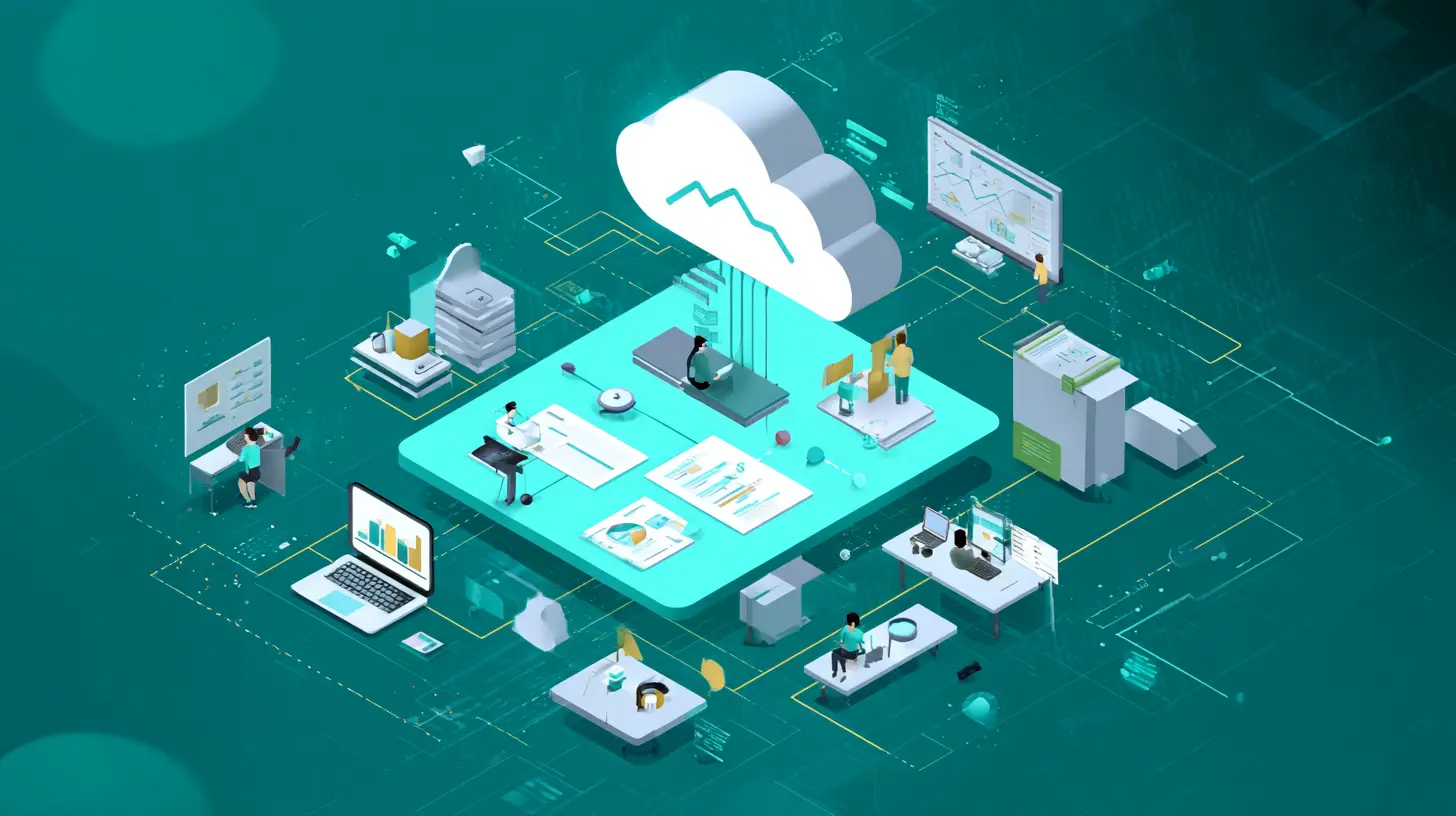
all images in this post were generated using AI tools
Category:
Saas ToolsAuthor:

John Peterson
Discussion
rate this article
2 comments
Fletcher Campbell
SaaS: still vital or just another cash grab?
May 7, 2026 at 10:42 AM
John Peterson
SaaS remains vital for many businesses, offering flexibility and scalability. While some may misuse the model, the right solutions still provide real value.
Patience Blair
Subscription-based SaaS can still drive innovation and flexibility. The future is bright!
May 6, 2026 at 3:26 AM
John Peterson
Absolutely! Subscription-based SaaS models foster continuous improvement and adaptability, keeping pace with evolving needs. The future looks promising.