Battery Storage Solutions for the Renewable Energy Transition
21 February 2026
Let’s be honest — renewable energy is kind of like a superhero in the making. It’s got the power (literally), it’s fighting a good fight against carbon emissions, and it’s, let’s say, mostly reliable. But just like Superman has his kryptonite and Iron Man has a complicated relationship with… well, everything — solar and wind power have their own Achilles' heel: inconsistency.
The sun doesn’t shine 24/7, and the wind doesn’t always blow. That's where battery storage swoops in with a cape and says, “Don’t worry, I’ve got this.” So in this article, we’re going to dive into battery storage solutions, why they matter, and how they’re reshaping the renewable energy transition — without sounding like a boring physics textbook.
Why Battery Storage is the Unsung Hero of Clean Energy
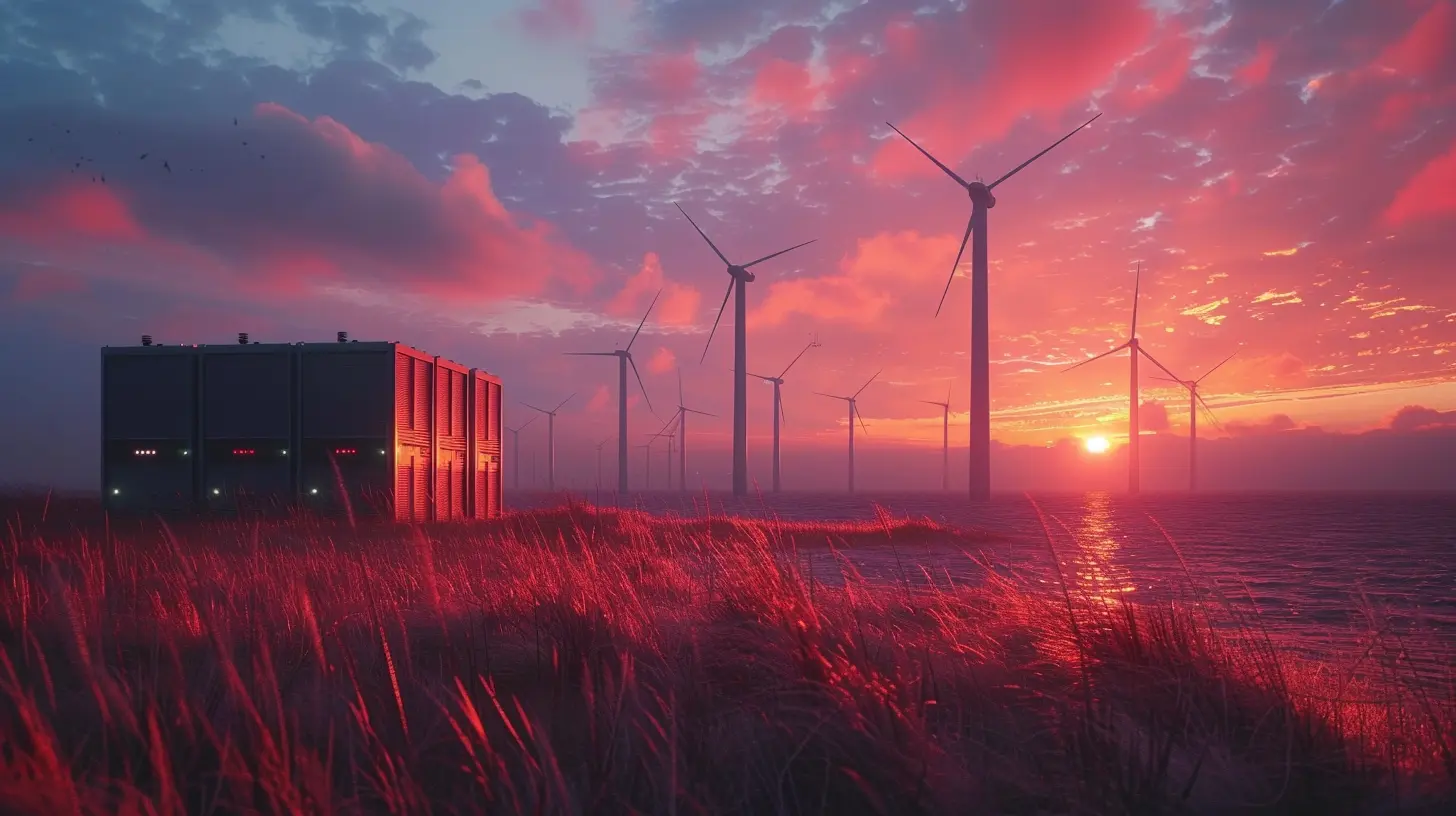
Let’s paint a picture. Imagine you’ve got a solar panel system that powers your home like a boss during the day. You’re cooking lunch, binge-watching Netflix, maybe even running a blender just for fun — it’s all good. But then the sun sets, and suddenly, you’re back on the grid, running on fossil fuels. That’s like baking a cake and letting someone else eat it.Battery storage steps in to save that cake… and lets you eat it too. It stores any surplus energy your panels generate during the day and releases it when the sun checks out for the night. Boom — self-sufficiency!
But that’s just the start. Let’s dig deeper.
The Basics: What is Battery Storage Anyway?
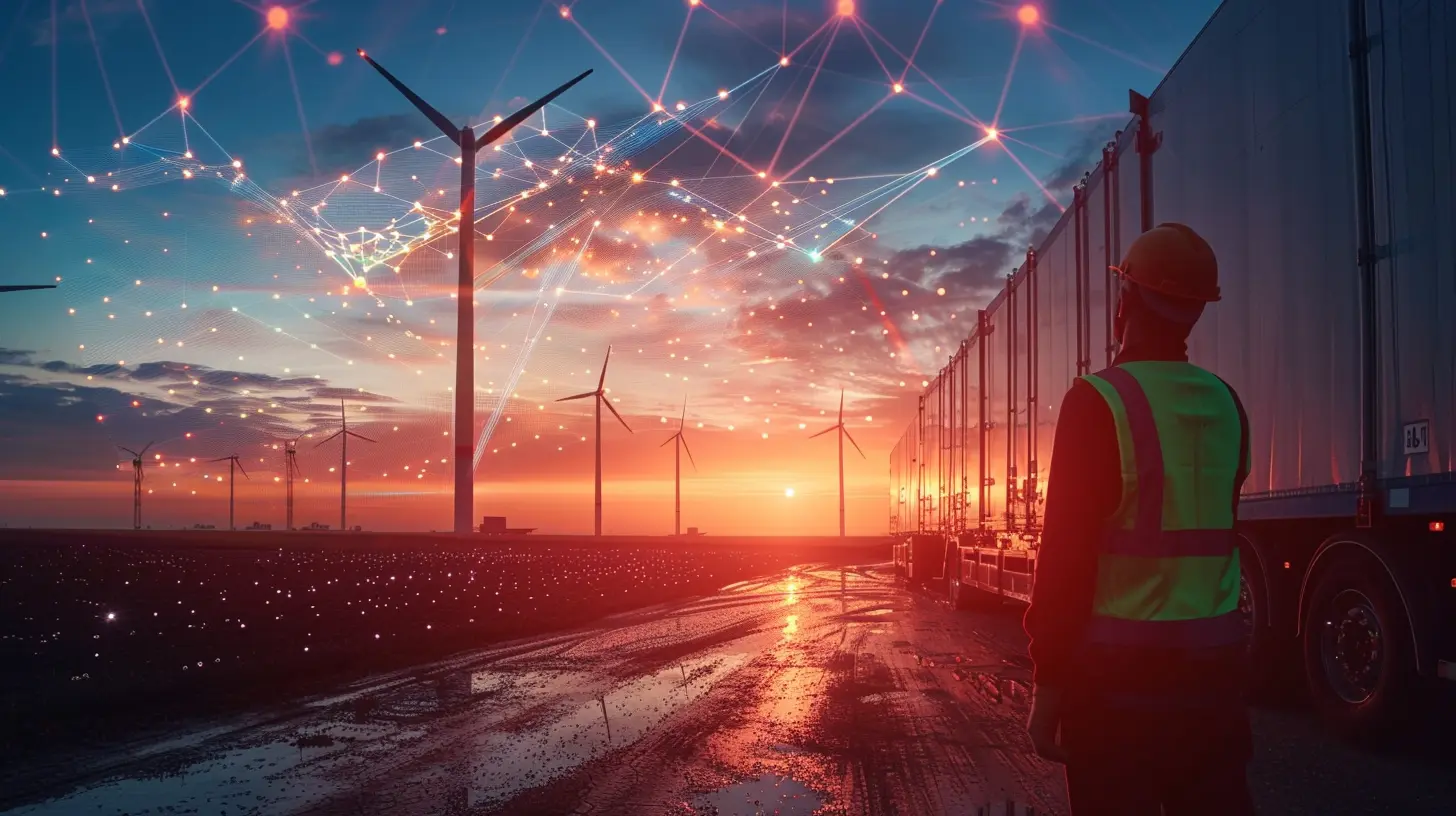
If you’re thinking of AA batteries or the one in your phone that dies at 17% without warning — think again. Battery storage for renewable energy is next-level tech.It’s essentially a system — think large-scale, high-capacity — that stores energy for later use. Most modern systems use lithium-ion batteries (sound familiar?), though other types like flow batteries, lead-acid, and even molten salt are making waves too. Some of these sound like something out of a sci-fi flick, but they’re very real and very cool.
Kinds of Battery Storage Systems
To avoid sounding like a walking Wikipedia, here’s a quick and easy rundown of the main types of battery storage solutions out there:1. Lithium-Ion Batteries: The Popular Kid
Lithium-ion is the same technology that powers your smartphone, laptop, and electric toothbrush — only supercharged. They're everywhere in the renewable energy world because they're efficient, have a long lifespan, and are getting cheaper faster than you can say “green energy.”Pros:
- High energy density
- Fast charging
- Long life cycles
Cons:
- Pricey (though costs are dropping)
- Can overheat if mismanaged (thermal runaway...ouch)
2. Flow Batteries: The Tank Full of Power
These guys store energy in liquid electrolytes contained in external tanks. The bigger the tanks, the more energy you can store. Think of it like a camel with a giant water bottle — it might take up space, but it can go the distance.Pros:
- Super long lifespan
- Easy to scale for big projects
Cons:
- Bulky (probably not something you'd want in your garage)
- Still pricey
3. Lead-Acid Batteries: Grandpa’s Favorite
These have been around longer than online cat videos. They’re simple, cheap, and familiar — but they’re not great for long-term or high-capacity energy needs. Still, they’re useful in some off-grid applications.Pros:
- Low cost
- Reliable tech
Cons:
- Shorter lifespan
- Heavy
- Environmentally tricky to dispose of
4. Sodium-Ion & Other Newbies: The Up-and-Comers
Sodium-ion batteries are shaking things up by being cheaper and more sustainable than lithium. Other experimental types, like solid-state batteries, promise even more efficiency, longer life, and fewer meltdowns — literally.These are still more in the “watch this space” phase but could be game-changers once they scale up.
How Battery Storage Supports the Renewable Energy Transition
Alright, let's get to the juicy part — why battery storage is a big freaking deal for ditching fossil fuels and going clean and green.1. It Makes Renewable Reliable (Say That 5 Times Fast)
A huge issue with renewables is their variability. You can’t make the sun shine on demand unless you’re some kind of wizard. But battery storage lets you smooth out those peaks and valleys. It’s like a Netflix buffer — power is stored and delivered when you actually need it, not just when it’s available.2. It Helps Ditch Peaker Plants (A.K.A. Dirty Dinosaurs)
You know those backup power plants that turn on during high demand and spew emissions like a fire-breathing dragon? Yeah, battery storage can replace them. When used at grid scale, batteries can discharge electricity during peak hours without firing up a smoke-belching monster.3. It Enables Energy Independence
With a solar + battery setup, you're not just saving money — you're giving the finger to the utility company (figuratively, of course). Power outages? You’re golden. Rate hikes? Meh. You can generate, store, and use your own power. It’s kind of like off-grid glamping — but you know, for your whole house.4. It Boosts Grid Resilience
With climate disasters throwing tantrums left and right, our grids need a power-up. Battery storage means distributed energy systems can keep neighborhoods lit even when the main grid goes down. Like a tiny army of electric guardians.Residential vs. Commercial vs. Grid-Scale
Now you might be wondering, “Can I actually install one of these things?” Great question, my curious friend. Let’s look at the three main categories:Residential Storage
Think Tesla Powerwall, LG Chem RESU, or even smaller units. These are made for homes — compact, quiet, and sometimes good-looking enough to show off. A single unit can store around 10–15 kWh, enough to keep your lights on and fridge running.Best For: Solar-powered homes, remote cabins, apocalypse preppers (just kidding… maybe)
Commercial & Industrial Systems
Businesses are joining the fun too. Whether it's a warehouse, factory, or Google-sized data center, commercial battery storage helps them shave peak usage, save money, and stay operational when stuff hits the fan.Best For: Businesses, schools, hospitals, data centers
Grid-Scale Storage
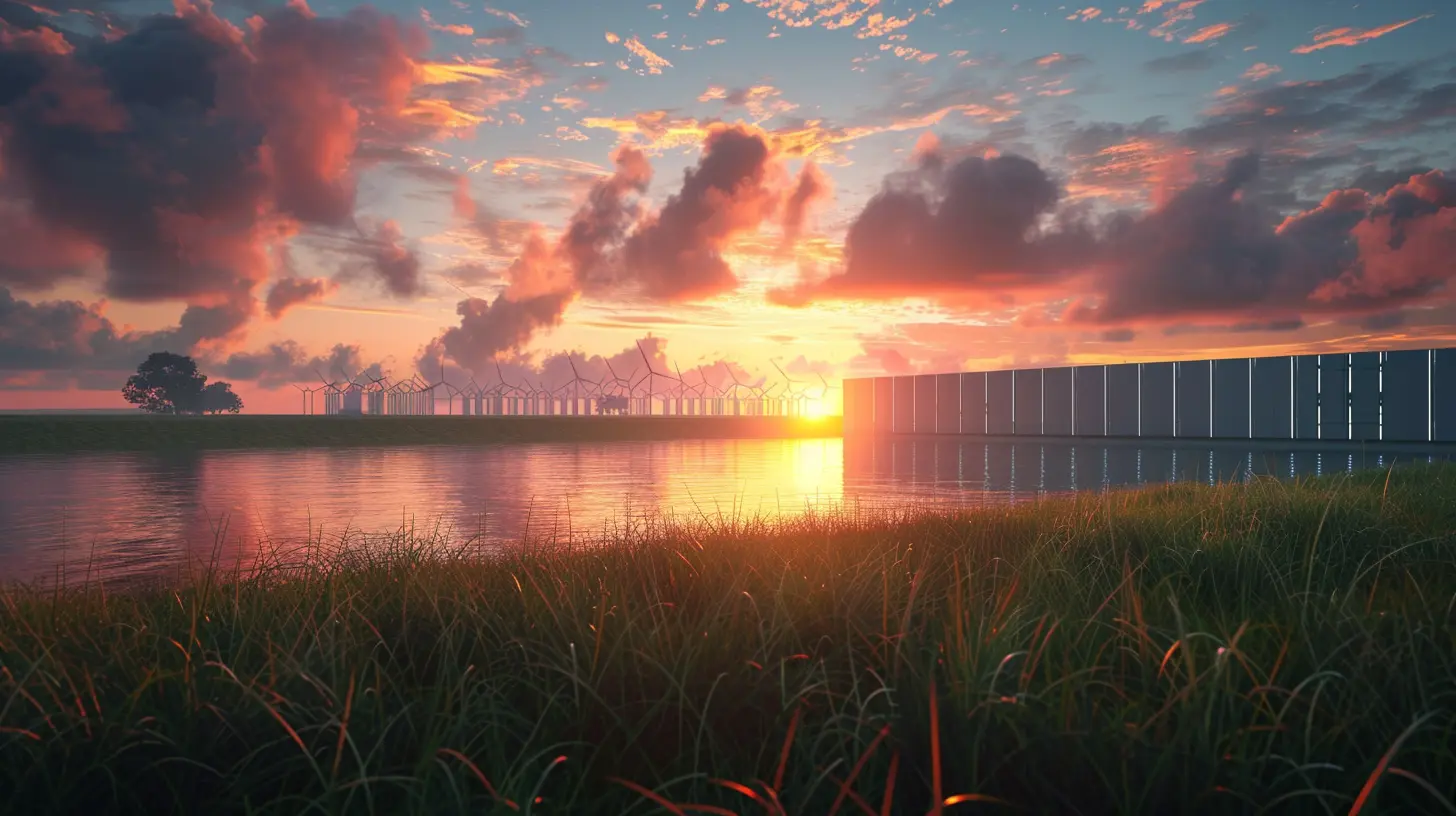
We’re talking big muscle here. These systems work with utilities to balance the grid, prevent blackouts, and absorb excess renewables when there’s too much supply. They’re often housed in containers and can store megawatt-hours of juice.Best For: Utility companies, large-scale renewable projects
Challenges? Oh, There Are a Few...
Let’s not pretend it’s all sunshine and solar panels. Battery storage isn't perfect. Here are a few bumps on the road to storing sunshine:- Cost: While prices are falling faster than my willpower near chocolate, big battery systems are still expensive upfront.
- Material Shortages: Mining for lithium and cobalt is kind of a hot mess. It raises ethical and environmental questions — so yes, we need alternatives.
- Recycling & Disposal: Dead batteries can’t just be tossed in the dumpster like expired yogurt. They’ve got toxic stuff inside and need proper recycling.
- Fire Risk: Poorly managed systems can overheat, especially in large installations. Safety is a big deal.
But guess what? Innovation is moving faster than my dog when I say “treat,” and solutions to these headaches are already underway.
The Future Is Bright (and Cheekily Electric)
Hold on to your hats, because things are getting exciting.- Second-Life EV Batteries: EV batteries that are too tired for cars still have enough juice left to serve in homes or grid applications. This cuts waste and boosts supply. Win-win.
- AI Management Systems: Smart algorithms are optimizing when and how batteries charge or discharge electricity. Think of it like your battery having a personal assistant.
- Hybrid Systems: Solar + battery + wind + AI + goat yoga (okay, maybe not the last one) are creating ultra-resilient, self-managing energy ecosystems.
- Government Incentives: Policies and rebates are popping up everywhere to make battery storage more appealing — from tax credits to rebates to free stickers (okay, maybe just the first two).
Real-Life Success Stories
Let’s put a bow on it with some real-world wins:- Australia’s “Big Battery”: Tesla built a massive 100MW/129MWh battery in South Australia that’s been saving money and stabilizing the grid since day one.
- California: The Golden State is going all-in with large-scale battery storage, and it’s already helped avoid blackouts during heatwaves.
- Remote Islands: Places like Ta‘ū in American Samoa are powered entirely by solar and batteries. Say goodbye to diesel deliveries by boat!
So… Should You Get Battery Storage?
If you’ve got solar panels and want more control over your energy, yes. If you’re a business looking to lower bills and boost reliability, heck yes. If you're a utility company? You’re probably already on it.Battery storage isn’t just a trend — it’s the connective tissue that’s holding the renewable revolution together. And like any good sidekick, it might just steal the show.
all images in this post were generated using AI tools
Category:
Battery TechnologyAuthor:

John Peterson
Discussion
rate this article
2 comments
Zariah McKinley
What an exciting read! Battery storage is truly the backbone of renewable energy, bridging the gap between generation and consumption. It's inspiring to see innovative solutions paving the way for a greener future. Let's charge ahead together! ⚡️🌍
March 25, 2026 at 4:16 AM
John Peterson
Thanks for your enthusiasm! Battery storage is indeed vital for a sustainable future. Together, we can make a difference.
Azriel Parker
This article highlights the critical role of battery storage in facilitating the renewable energy transition. By enhancing grid stability and maximizing solar and wind energy usage, innovative battery solutions are essential for achieving a sustainable energy future.
February 21, 2026 at 11:28 AM
John Peterson
Thank you for your insights! Battery storage is indeed key to a sustainable energy future.