Cybersecurity in the Metaverse: A New Frontier for Threats
6 August 2025
Welcome to the wild new world of the metaverse — a digital universe where people live, work, play, and interact as avatars. Sounds cool, right? Like something out of a sci-fi flick. But just like in real life (and sci-fi movies), danger lurks in these virtual shadows. Cybersecurity in the metaverse isn’t just a buzzword anymore. It’s the next big battlefront for digital safety.
Let’s face it — wherever people go, cybercriminals follow. And the metaverse? It's shaping up to be a juicy target. So, let’s unplug from the fantasy for a moment and dive deep into the risks, the challenges, and how we can protect ourselves in this brave new digital world.
What Is the Metaverse, Really?
Before we tackle cybersecurity, let’s clear up what the metaverse actually is — because it’s not just one thing.Think of the metaverse as a massive, interconnected virtual playground made up of several 3D worlds. You might visit a digital concert, attend a work meeting as an avatar, buy virtual land, or hang out with friends in a neon-lit VR bar. Platforms like Meta’s Horizon Worlds, Decentraland, and The Sandbox are just the tip of the iceberg.
It's not just games and goggles. The metaverse blends augmented reality (AR), virtual reality (VR), social media, blockchain, and more into an immersive experience. It's the next iteration of the internet, and it's always on.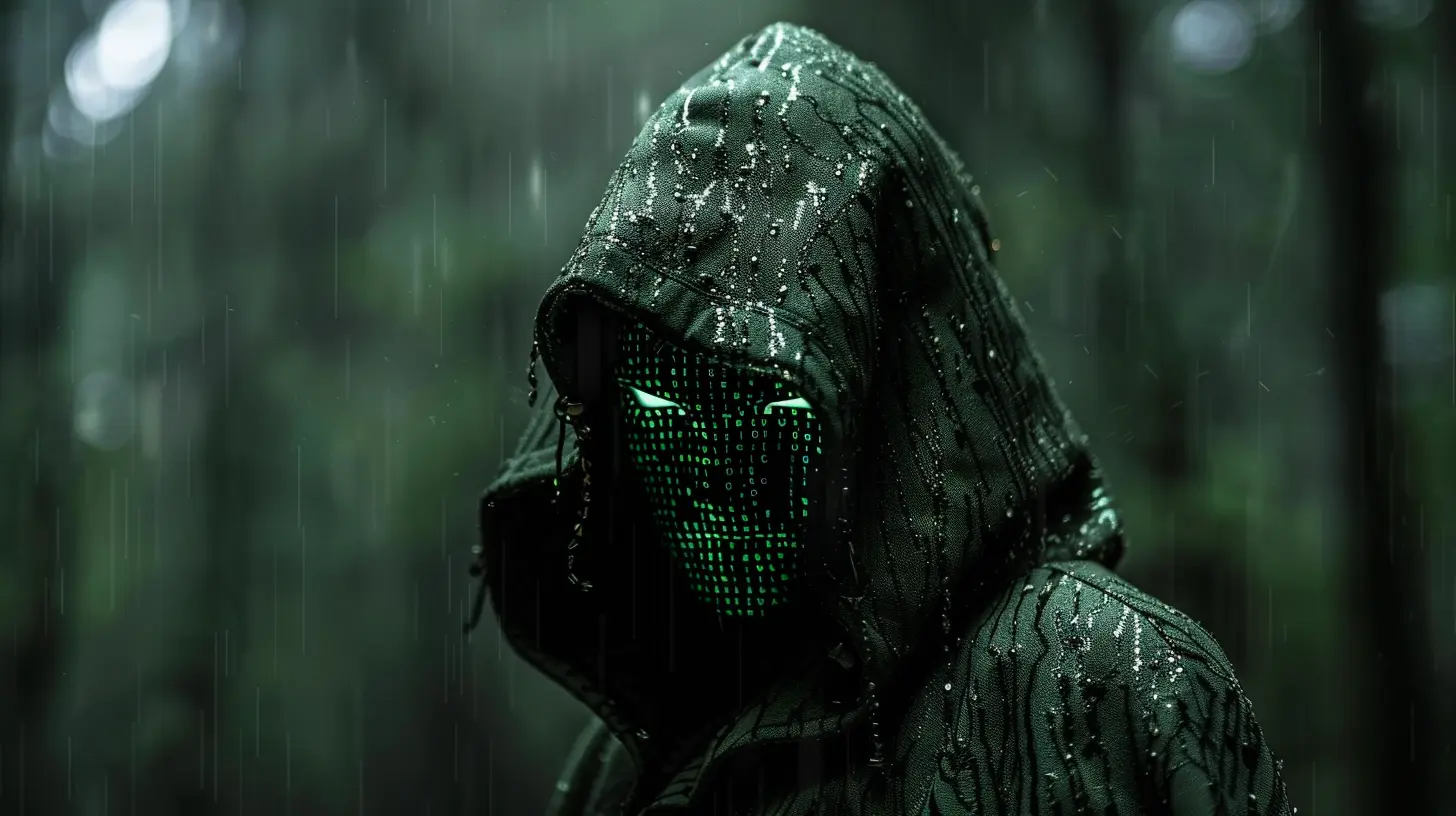
The Cybersecurity Landscape Is Changing
In the traditional internet, you get phishing emails, ransomware attacks, stolen passwords — we all know the drill. But the metaverse brings a whole new layer of complexity.Why? Because it’s not just about protecting data anymore — you also have to protect identities, virtual assets, interactions, and even the very platforms people use to access the metaverse.
Cyber threats are leveling up along with the tech. And make no mistake, bad actors are already mapping out their strategies.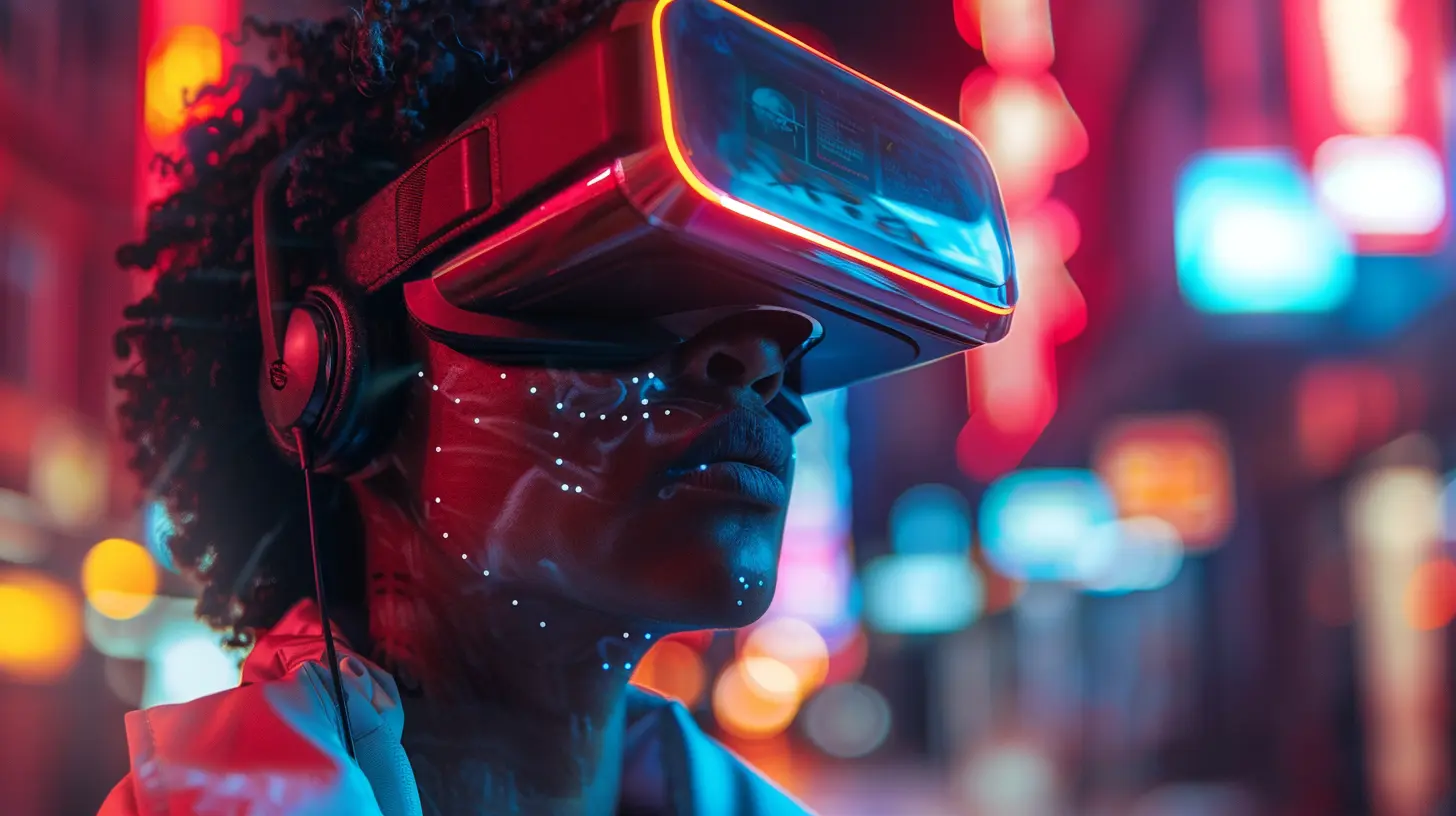
Why Cybersecurity in the Metaverse Matters (Big Time)
Here’s the thing: in the metaverse, everything is magnified. Your online identity isn’t just an email — it’s an entire persona. Your digital wallet isn’t just for buying stuff — it could be worth thousands in NFTs and cryptocurrency.And then there’s the emotional side. People actually feel present in the metaverse. So when harassment or theft happens here, it hits differently.
Let’s look at some major concerns.
Top Cybersecurity Threats in the Metaverse
1. Identity Theft and Impersonation
Imagine someone creates a perfect replica of your avatar — talks like you, walks like you, even buys things pretending to be you. In the metaverse, your digital identity is everything. If someone hijacks it, they can ruin reputations, steal assets, or worse.Since there's no central governing body yet, verifying identities is a huge challenge. That’s a goldmine for cybercriminals.
2. Data Privacy Nightmares
The metaverse collects mind-blowing amounts of data. We're talking biometrics, behavior patterns, eye movement, voice, and even body language. That’s way beyond cookies and clicks.Now imagine that data falling into the wrong hands. Creepy, huh? Without strict privacy controls, users are basically walking data vending machines.
3. Social Engineering (With a Twist)
We’ve all heard of phishing, but in the metaverse, it's way more immersive. Manipulation takes place in real-time, through voice and 3D interaction. Scammers can “friend” you, build trust over days, and then strike when you least expect it.That friendly avatar could be a cyber crook in disguise.
4. Virtual Asset Theft
NFTs, cryptocurrency, virtual real estate — they're all valuable, and they’re all targets. Hackers are already finding ways to loot wallets, intercept transactions, or even clone digital assets.Since many of these assets are decentralized, recovering stolen goods is nearly impossible.
5. Platform Vulnerabilities
Let’s not forget the platforms themselves. Every metaverse world runs on code — and code can have bugs. A single vulnerability in a smart contract or VR interface can be exploited to bring down entire systems or steal massive amounts of data.What Makes Metaverse Security So Hard?
Let’s not sugarcoat it — securing the metaverse is no walk in the digital park. Here are some reasons why:Lack of Standards
Right now, there’s no unified cybersecurity framework for the metaverse. Each platform has its own set of rules (if any at all), and that’s a patchwork approach that leaves big gaps.Decentralization
Yup, decentralization is exciting. Power to the people, right? But it also makes enforcement tough. There’s no central authority to regulate behavior or step in when something goes wrong.Anonymity and Accessibility
Users can jump into the metaverse with very little verification. That’s great for inclusivity but terrible for trust. Bad actors can bounce from one identity to another like they’re changing clothes.Real-Life (Or Real-Virtual) Examples
Cybercrime in the metaverse isn’t just theory — it's already happening. Here are a few instances that made headlines:- Virtual Groping Incident in Horizon Worlds: A woman reported being sexually harassed in VR. The lack of personal boundaries in immersive spaces is a serious concern that platforms are still figuring out how to handle.
- NFT Scams and Rug Pulls: Projects promise massive gains, pull in millions in investment, and then vanish — poof, gone. It's the Wild West for NFT con artists.
- VR Chat Malware: Hackers have found ways to inject malicious code into custom VR avatars. When other users interact with or are near that avatar, their devices get infected. Sounds like sci-fi, but it’s real.
How Can We Stay Safe in the Metaverse?
Alright, it’s not all doom and gloom. Good news: there are ways to protect yourself in this digital frontier.Use Strong Digital Identities
Multi-factor authentication (MFA) is your best bud. Use it for everything — wallets, accounts, even avatar access. Biometric options like fingerprints or voice could become the norm soon.Be Skeptical of Strangers
If someone seems too friendly or is offering unbelievable deals, hit the pause button. Just like with email phishing, fake friends are everywhere here too.Protect Your Virtual Wallet
Use hardware wallets for crypto or NFTs. Avoid clicking on suspicious links, and double-check every transaction. One typo in an address, and your assets could be gone forever.Don’t Overshare
Keep personal info to yourself. The more you reveal (even in casual convos), the more someone can use it against you.Tech Solutions on the Horizon
Developers and experts are racing to build better tools to secure the metaverse. Here are a few promising strategies:AI-Powered Moderation
AI can monitor conversations, detect harassment, and flag suspicious behavior. Kind of like a digital bouncer at the club.Blockchain for Verification
Blockchain’s transparency and immutability make it great for identity verification and secure transactions.Zero Trust Security Models
“Never trust, always verify” — that’s the mantra. Instead of assuming users or devices are safe, zero-trust systems verify everything at every step.Decentralized Identity Frameworks (DIDs)
Instead of logging in with usernames and passwords, you carry your identity with you in the form of a secure, verifiable credential — backed by blockchain.The Role of Companies and Governments
Let’s be real. Users can only do so much. The big players — tech companies, policymakers, and governments — need to step up big time.- Tech companies should bake security and privacy into the design of their platforms.
- Governments can create digital rights regulations and enforce consequences for criminal behavior in the metaverse.
- Educators can help people understand the risks and how to stay safe.
Basically, we need a digital playbook — and fast.
Final Thoughts: A New Battle, A New Mindset
The metaverse isn’t just a digital fad — it’s shaping up to be the next major tech revolution. And just like every technological leap, it brings both cool innovations and new dangers.Cybersecurity in the metaverse? It’s not optional. It’s essential. We need to think ahead, stay alert, and remember that behind every avatar is a real person — one worth protecting.
So, next time you log into your virtual world, take a moment to check your settings, question that too-good-to-be-true offer, and remember: even in the metaverse, safety comes first.
Stay smart, stay secure, and game on
all images in this post were generated using AI tools
Category:
Cyber ThreatsAuthor:

John Peterson
Discussion
rate this article
2 comments
Dylan Wheeler
As we venture into the Metaverse, we must recognize that its vast landscapes offer both unprecedented opportunities and complex vulnerabilities, challenging us to rethink our approach to cybersecurity in this evolving digital realm.
April 14, 2026 at 4:57 AM
John Peterson
You make a great point. The Metaverse's potential is immense, but we can't overlook the security challenges it presents. Adapting our strategies is essential as we navigate this new landscape.
Morrow McAllister
Cybersecurity in the Metaverse is critical; as virtual worlds expand, so do the risks and threats.
August 10, 2025 at 3:10 AM
John Peterson
Absolutely, as the Metaverse evolves, robust cybersecurity measures are essential to protect users and maintain trust in these digital environments.