Fanless Ultrabooks: The Pros and Cons of Quiet Computing
18 June 2026
In a world where laptops whir, hum, and occasionally sound like jet engines ready for takeoff, fanless ultrabooks are refreshing islands of silence. Picture this: you’re deep in thought, working on your latest project, and instead of an annoying fan buzzing in the background, there’s… nothing. Just pure, glorious silence.
Sounds dreamy, right? But before you ditch your traditional laptop and jump on the fanless train, let’s weigh the pros and cons of quiet computing. Are these sleek, silent machines the future, or are they a little too quiet for their own good? Let’s find out! 
What Are Fanless Ultrabooks?
Fanless ultrabooks are exactly what they sound like—ultrabooks designed without fans. Instead of relying on noisy cooling systems, these machines use passive cooling methods like heat sinks to manage temperatures. That means no spinning fans, no unexpected revving up in the middle of an important Zoom call, and best of all, a completely silent computing experience.They’re sleek, lightweight, and usually designed for portability, making them perfect for students, professionals, and anyone who values a quiet work environment. But just like anything else in tech, they come with their fair share of pros and cons. 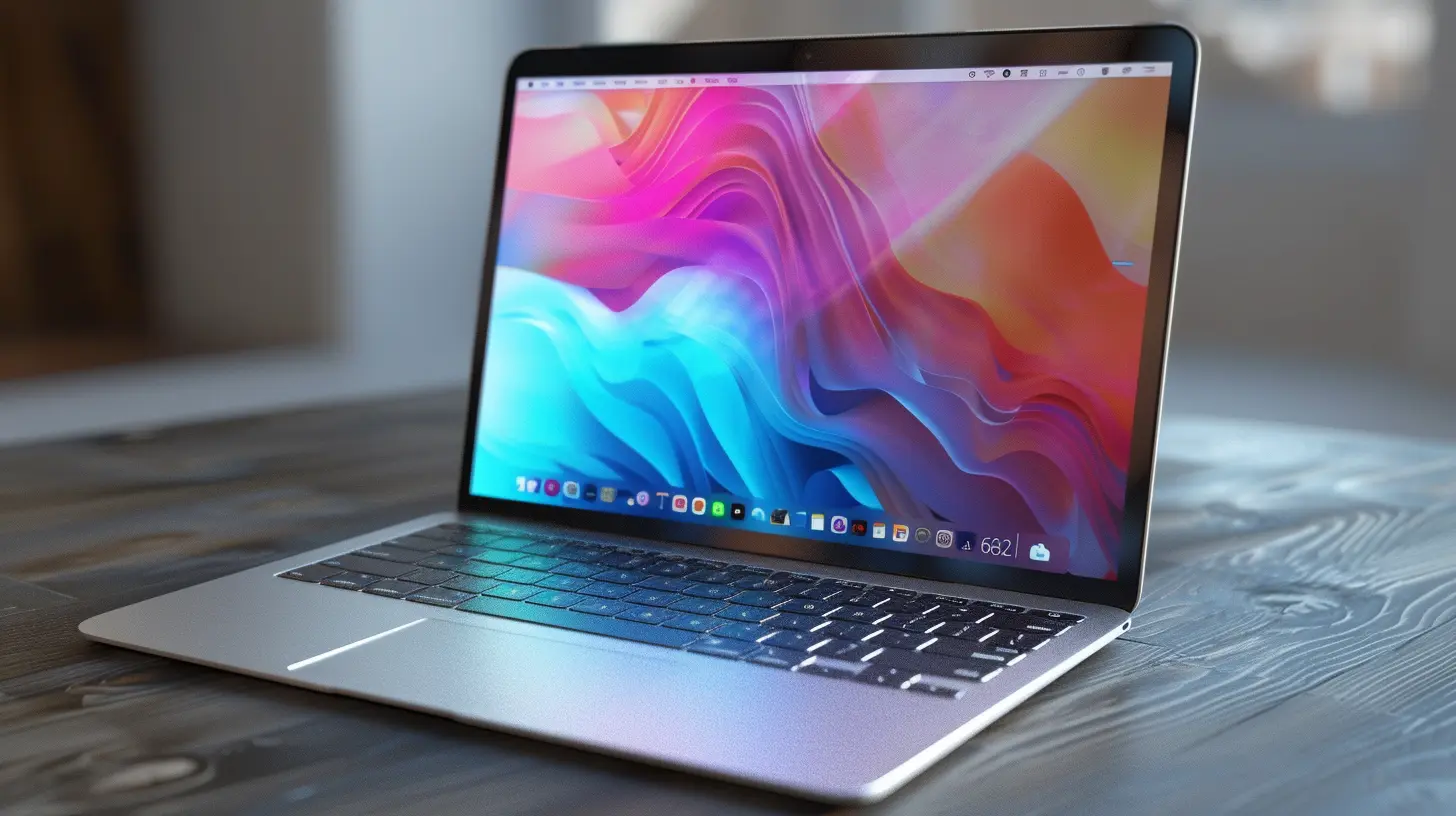
The Pros of Fanless Ultrabooks
So, why are so many people gravitating toward these whisper-quiet machines? Here are some of the biggest advantages of fanless ultrabooks.1. Complete Silence – No More Fan Noise!
Let’s be honest—fan noise can be really annoying. Whether you’re working in a quiet library or binging your favorite show late at night, a loud laptop fan is the last thing you want. Fanless ultrabooks eliminate that issue entirely.No fans mean no noise, so you can concentrate on your work (or Netflix) in peace. It’s like switching from a buzzing fluorescent light to warm, calming candlelight—better for your focus and your sanity.
2. Less Dust, Fewer Maintenance Issues
Laptops with fans suck in air to cool down, but they also suck in dust, pet hair, and tiny particles that can clog up the system. Over time, this buildup reduces performance and can even cause overheating.Fanless ultrabooks don’t have that problem. Without fans, there’s no forced airflow pulling in dust. That means fewer maintenance headaches, and you won’t need to worry about opening up your laptop to clean out the vents every few months.
3. More Energy Efficient – Say Hello to Longer Battery Life
Fans require power—sometimes a lot of it. By ditching fans, ultrabooks use less energy, meaning longer battery life.If you’re someone who travels a lot or hates being tethered to an outlet, a fanless ultrabook could be a game-changer. You’ll be able to work for hours without constantly hunting for a charger.
4. Lightweight and Ultra-Portable
Fanless ultrabooks are often thinner and lighter than their fan-cooled counterparts. Without all the extra cooling components, manufacturers can make these laptops sleek and ultra-portable.If you’re always on the go, carrying a lightweight ultrabook in your backpack is way better than lugging around a bulky laptop that feels like carrying a brick.
5. More Durable – Fewer Moving Parts, Less Risk of Failure
Moving parts break. Fans wear out over time, and when they do, they can cause major issues. A fan malfunction can lead to overheating or even complete system failure.Without a fan, there’s one less thing that can go wrong. That makes fanless ultrabooks more durable and reliable in the long run. 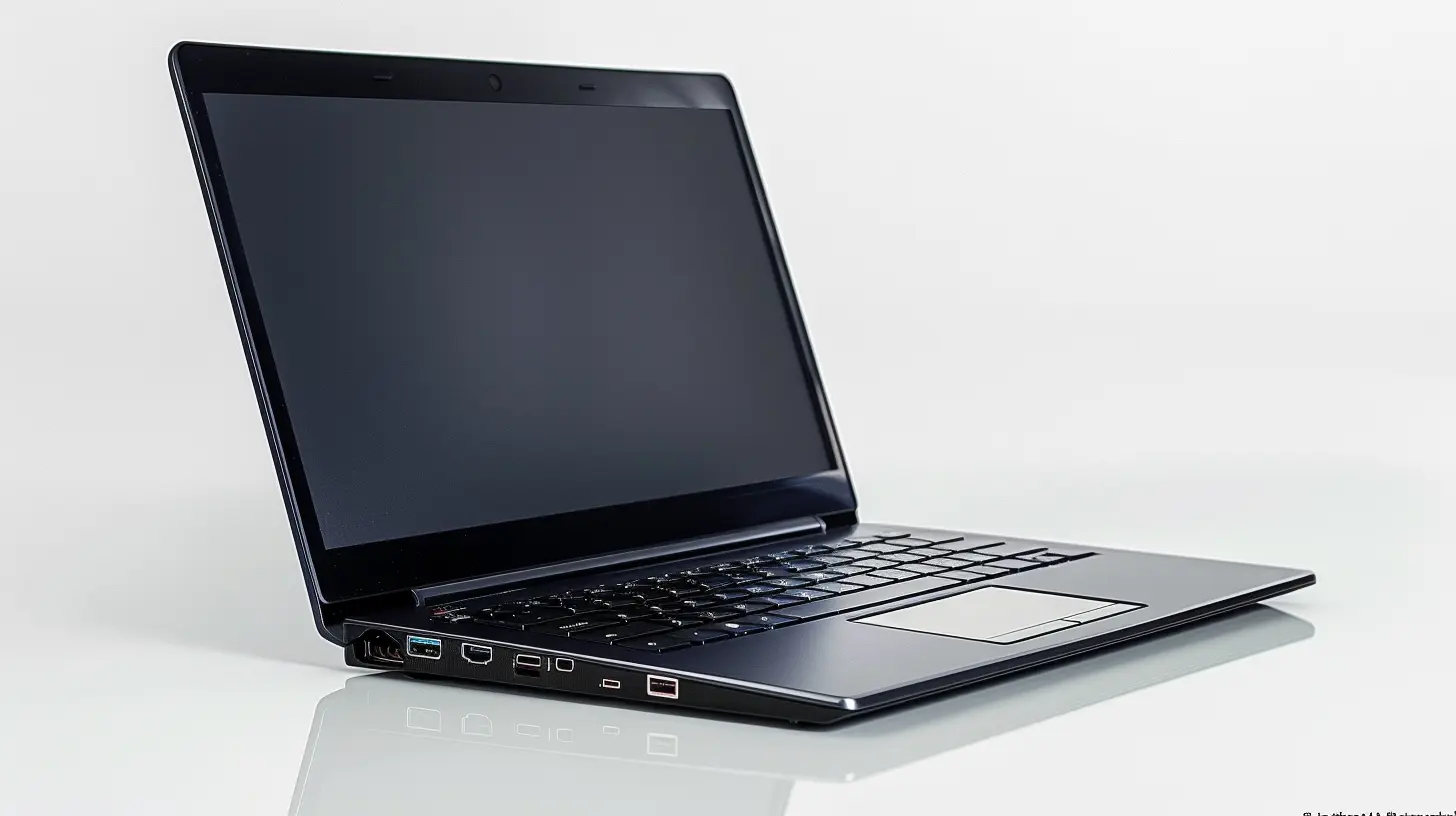
The Cons of Fanless Ultrabooks
Now, it’s not all sunshine and rainbows. While fanless ultrabooks are great in many ways, they do come with a few drawbacks. Here’s where they fall short.1. Limited Processing Power – Not Ideal for Power Users
Fanless laptops rely on passive cooling, meaning they can’t handle as much heat as fan-cooled laptops. To prevent overheating, manufacturers often use lower-power processors, which limits performance.If your daily tasks include browsing the web, writing documents, or watching videos, you’ll be just fine. But if you’re into gaming, video editing, or any CPU-intensive work, a fanless ultrabook might not cut it.
2. Can Get Warm Under Heavy Usage
No fans mean no active cooling, and that can be a problem when you push your laptop to its limits. Under heavy usage, fanless ultrabooks can get quite warm—sometimes uncomfortably so.If you’ve ever used a laptop that heats up like a mini oven, you know how annoying it can be. Some models feature advanced cooling designs to minimize this issue, but it’s something to keep in mind.
3. Not Ideal for Gaming or Heavy Multitasking
Gamers, beware—fanless ultrabooks are not designed for high-performance gaming. Without a fan to dissipate heat, these machines struggle with long gaming sessions.Even for heavy multitasking, like running multiple applications at once, you might notice some slowdowns. If you need serious processing power, a fan-cooled laptop is still the better choice.
4. Limited Upgradeability
Most fanless ultrabooks are designed for portability and efficiency, which often means they come with soldered RAM and non-replaceable batteries. If you’re the type of person who likes to upgrade hardware over time, this could be a dealbreaker.Unlike traditional laptops where you can swap out RAM or add more storage, many fanless ultrabooks are locked down, leaving you stuck with what you buy initially.
5. Not Built for Extreme Environments
If you regularly work in hot climates or need a laptop that can handle high-performance tasks outdoors, a fanless ultrabook might not be the best option. Since there’s no fan to actively cool down the system, ambient temperatures can impact performance.If you work in air-conditioned environments, you’ll probably be fine. But if you’re planning to use it in the heat of summer, you might experience some uncomfortable temperature spikes. 
Should You Buy a Fanless Ultrabook?
So, is a fanless ultrabook right for you? That depends entirely on your needs.✅ If you value silence, portability, and long battery life, a fanless ultrabook is a fantastic choice. It’s perfect for students, writers, business professionals, and casual users who need a whisper-quiet laptop for everyday tasks.
❌ But if you need raw power for gaming, video editing, or multitasking, you might want to stick with something with active cooling.
At the end of the day, fanless ultrabooks are an amazing innovation that caters to a specific audience. If you fit that audience, you’ll absolutely love the experience of quiet computing!
Final Thoughts
Fanless ultrabooks are a breath of fresh air (pun intended) for those who love silent computing. They’re sleek, lightweight, and energy-efficient, making them an excellent choice for many users.However, they’re not for everyone. If you need heavy-duty performance, you might find their limitations frustrating. But if your biggest pet peeve is loud laptop fans and you want a machine that’s whisper-quiet and ultra-portable, fanless ultrabooks are worth considering.
So, are you ready to embrace the world of quiet computing? Or do you think the pros don’t outweigh the cons? Let me know your thoughts!
all images in this post were generated using AI tools
Category:
UltrabooksAuthor:

John Peterson
Discussion
rate this article
1 comments
Antonia Pace
Great insights on fanless ultrabooks! It's fascinating how quiet computing can enhance both productivity and comfort for users. Thanks for sharing!
June 18, 2026 at 4:37 AM
John Peterson
Thanks for your feedback! I'm glad you found the insights valuable. Quiet computing really does make a difference in user experience.