Future Proofing Your Home Theater for the 2030s
17 November 2026
Creating a home theater that stands the test of time requires more than just picking the latest technology on the market. As we move closer to the 2030s, the landscape of home entertainment is evolving rapidly. This article will delve into some essential strategies to ensure your home theater remains relevant, functional, and enjoyable for years to come.
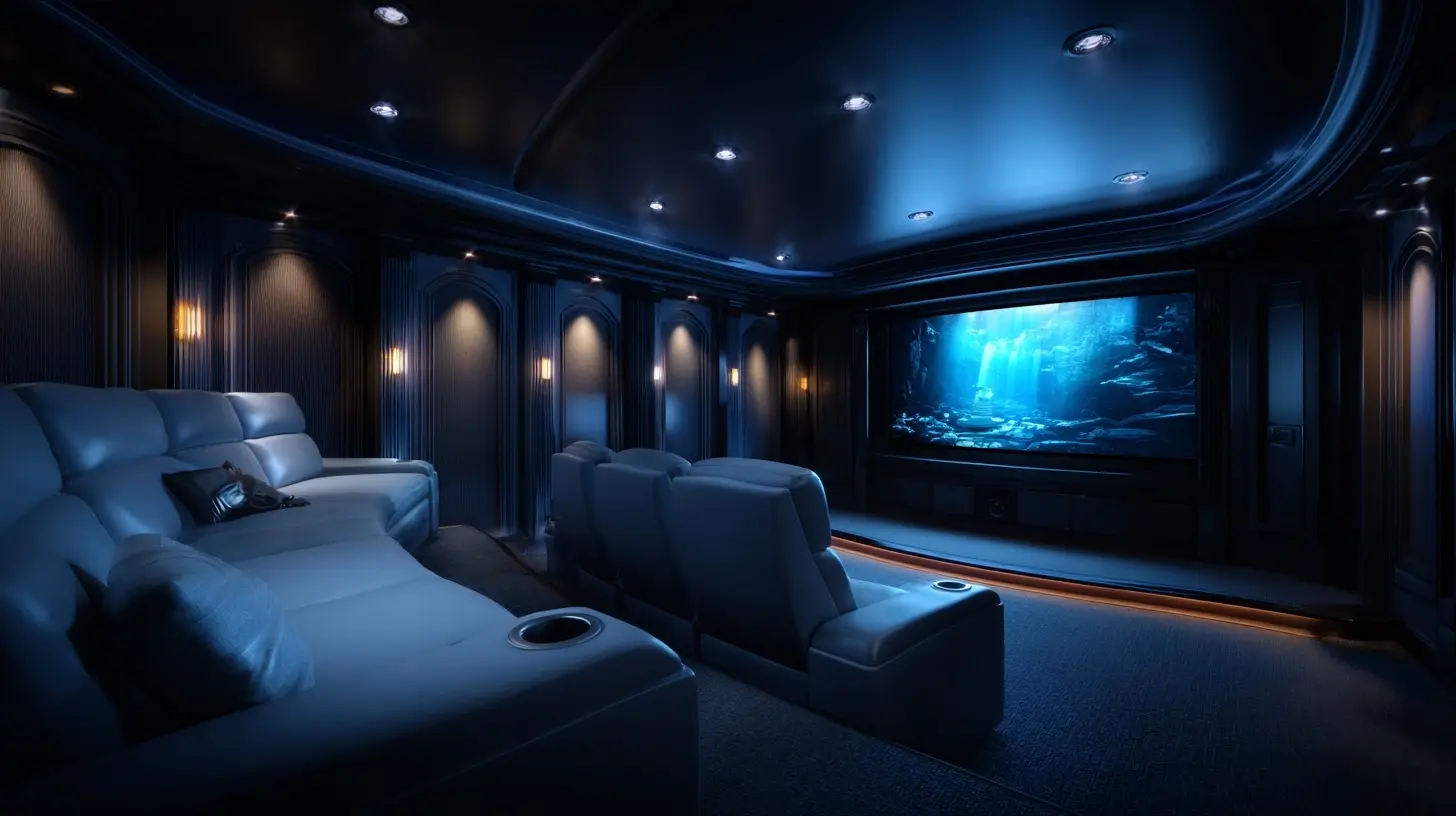
Understanding the Current Landscape
Before diving into future-proofing strategies, it's important to understand the current home theater landscape. The rise of streaming services, 4K and 8K resolution content, immersive audio formats, and smart home integration are all shaping how we experience entertainment. As technology advances, our home theaters must adapt to accommodate these changes.The Shift to Streaming
Gone are the days when physical media ruled the roost. Services like Netflix, Hulu, and Disney+ have transformed how we consume content. While physical media will likely remain a niche market, the bulk of entertainment is moving online. This means that your home theater should prioritize internet connectivity and smart device compatibility.The Importance of Resolution
4K is becoming the standard, with 8K on the horizon. While 4K content is widely available, 8K is still emerging. As a forward-thinking consumer, investing in an 8K display could be wise for longevity. However, it's essential to weigh the current availability of 8K content and whether it justifies the investment.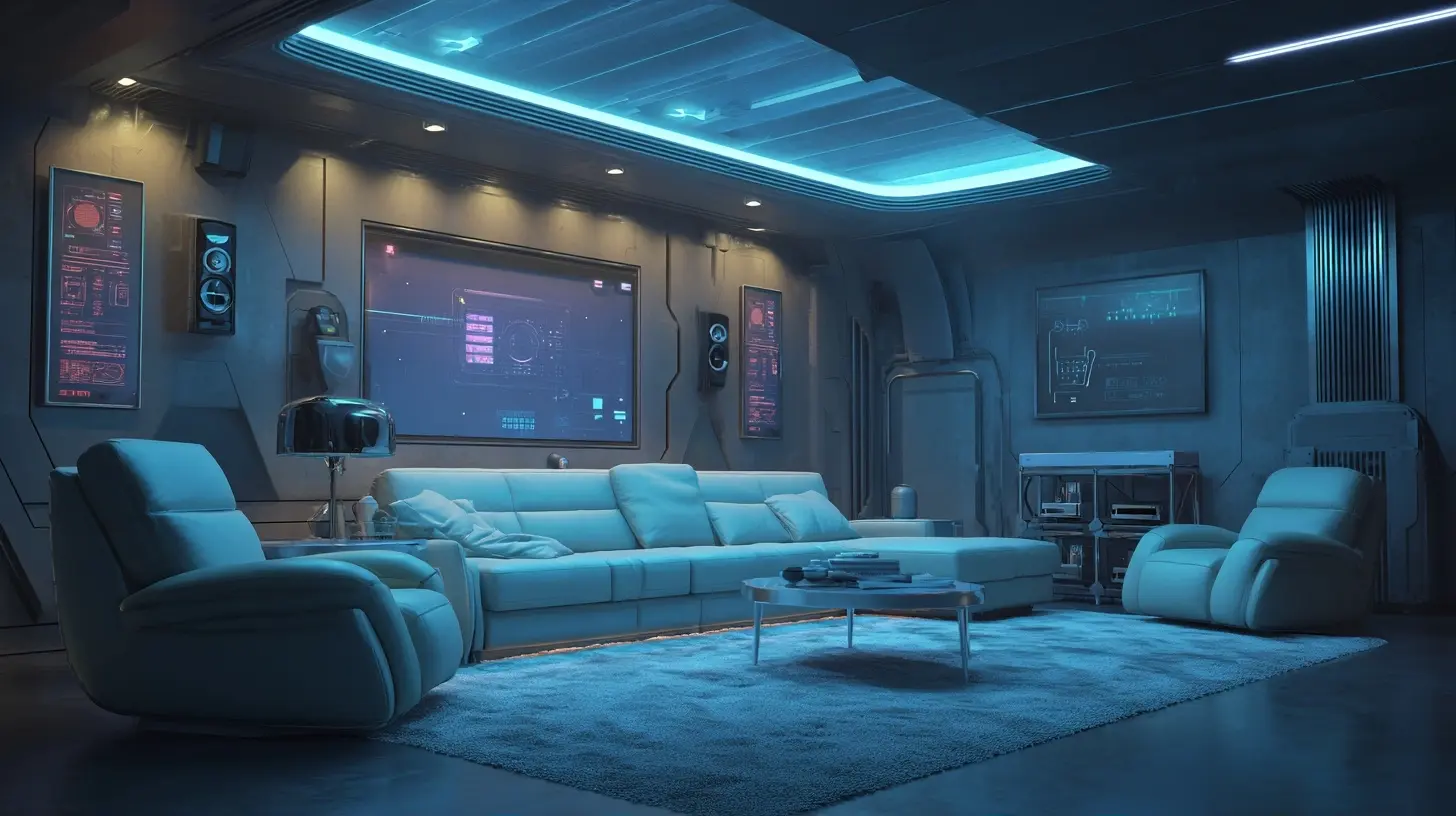
Key Components of a Future-Proof Home Theater
When building or upgrading your home theater, consider the following components:Display Technology
1. Television vs. Projector:- Television: Ideal for bright rooms and quick setup. Look for OLED or QLED models for superior color and contrast.
- Projector: Suitable for larger screens and a cinematic experience. Ensure you have proper lighting control in the viewing room.
2. Resolution and HDR:
- Aim for at least 4K resolution with HDR (High Dynamic Range) support. This combination will enhance the viewing experience with better contrast and color.
3. Screen Size:
- The ideal screen size is subjective but generally depends on the distance from the seating area to the display. A common guideline is to sit at a distance of 1.5 to 2.5 times the screen size.
Audio Systems
1. Soundbars vs. Surround Sound:- Soundbars: Great for simplicity and space-saving. Many modern soundbars offer impressive virtual surround sound experiences.
- Surround Sound Systems: For the ultimate experience, a 5.1 or 7.1 system provides depth and immersion. Consider wireless options for easier setup.
2. Audio Formats:
- Be aware of formats like Dolby Atmos and DTS:X, which provide three-dimensional sound experiences. Compatibility with these formats can be crucial for future audio content.
Streaming Devices
1. Smart TVs vs. Streaming Boxes:- Many modern TVs have built-in streaming capabilities. However, dedicated streaming devices like Roku, Apple TV, or Amazon Fire often provide better performance and access to more apps.
2. Future-Proofing by Upgrading:
- With the rapid evolution of streaming services, opt for devices that allow software updates. This ensures your system stays current without needing a complete overhaul.
Connectivity
1. HDMI and Other Connections:- Ensure your system has HDMI 2.1 compatibility for features like higher frame rates and eARC (enhanced Audio Return Channel). This is crucial for supporting new gaming consoles and audio technologies.
2. Wireless vs. Wired:
- While wireless connections offer convenience, wired connections typically provide more stable performance. Choose a hybrid approach where necessary.
Smart Home Integration
As smart home technology continues to develop, integrating your home theater into a broader smart ecosystem can improve convenience and functionality.Voice Control
Devices like Amazon Echo or Google Home can control your home theater through voice commands. This feature can streamline operations, allowing you to adjust volume, change inputs, or even dim lights without leaving your seat.Home Automation
Consider integrating your home theater with smart home systems that manage lighting, temperature, and security. This can enhance the viewing experience, creating an environment tailored to your preferences.Compatibility with Existing Systems
When investing in smart devices, ensure they are compatible with your current ecosystem. For instance, if you already have Philips Hue lights, ensure other devices can integrate seamlessly.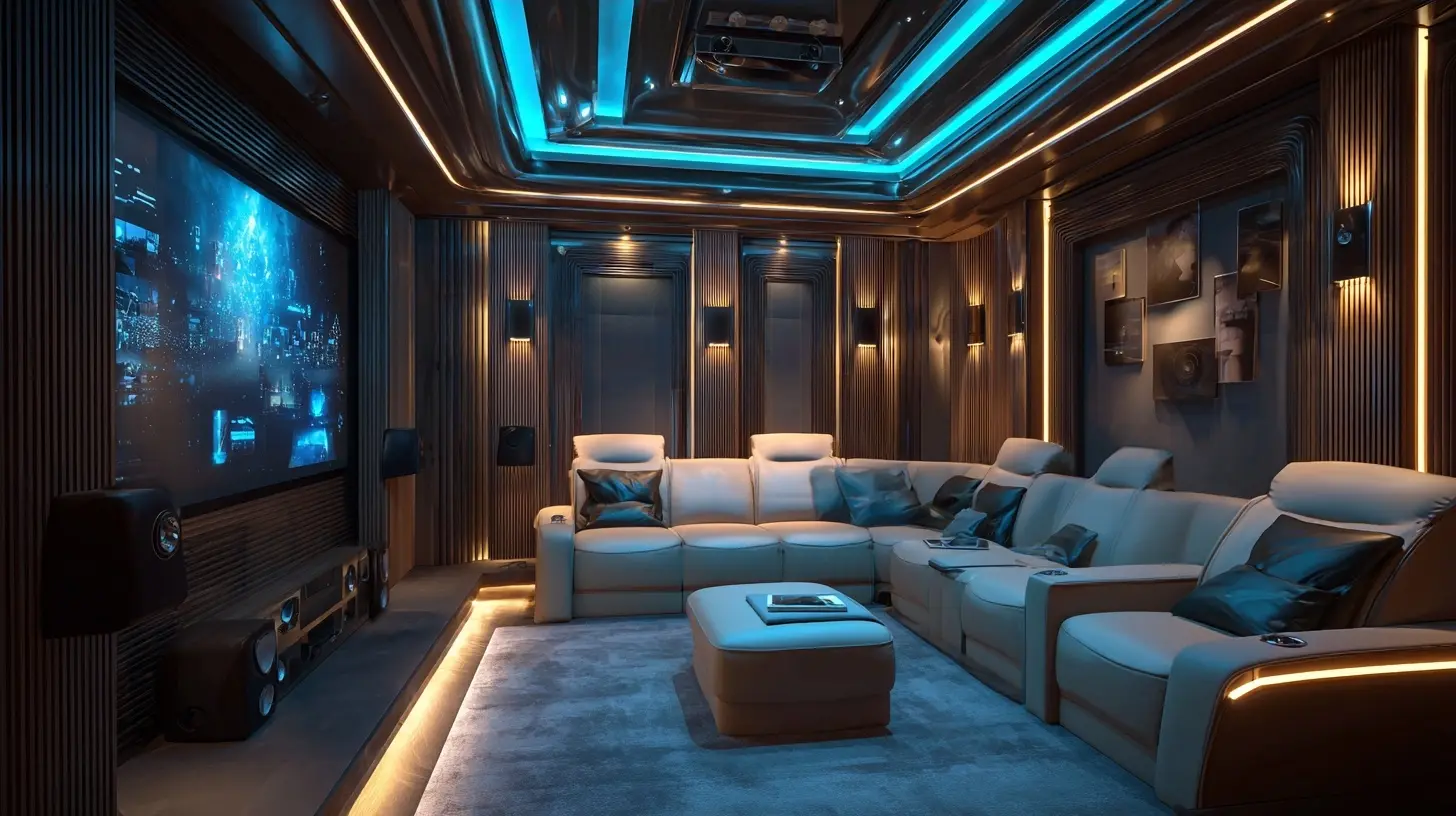
Design and Layout Considerations
A thoughtfully designed home theater can significantly enhance your experience. Here are some factors to consider:Room Acoustics
1. Soundproofing:- Incorporate soundproofing materials to prevent sound leakage and improve audio quality. This could include acoustic panels, carpets, and heavy curtains.
2. Room Shape and Size:
- The shape of the room affects sound distribution. A rectangular room tends to provide better acoustics than a square one.
Seating Arrangements
1. Comfort:- Prioritize comfortable seating that allows for long viewing sessions. Consider recliners or tiered seating for larger rooms.
2. Viewing Angles:
- Ensure that all seats have a good view of the screen. The ideal arrangement allows viewers to see the screen without straining their necks.
Common Mistakes to Avoid
In the quest to create the perfect home theater, it's easy to fall into certain traps. Here are some common pitfalls to avoid:Overlooking Cable Management
Messy cables can detract from the aesthetics of your home theater. Invest in cable management solutions to keep everything organized and out of sight.Neglecting Lighting
Ambient lighting is crucial for a good viewing experience. Avoid direct light on the screen, and consider installing dimmable lights or smart lighting for flexibility.Skimping on Quality
While it can be tempting to cut corners to save money, investing in quality components pays off in the long run. Opt for reputable brands and consider warranties when possible.Focusing Solely on Technology
While technology is essential, don't overlook the importance of comfort and design. A beautiful and comfortable space enhances the overall experience.
Future Trends to Watch
As we approach the 2030s, keep an eye on emerging trends that could impact your home theater setup:Virtual Reality (VR) and Augmented Reality (AR)
As VR and AR technology matures, consider how these immersive experiences could integrate into your home theater. High-quality VR headsets could revolutionize home entertainment.8K Content and Displays
As more 8K content becomes available, the demand for compatible displays will rise. Keeping up with this trend may require future upgrades.AI and Machine Learning
AI is slowly making its way into home entertainment. Think personalized recommendations and automated adjustments to your viewing experience based on preferences.Conclusion
Future-proofing your home theater for the 2030s involves careful consideration of technology, design, and user experience. By investing in adaptable components, prioritizing smart integration, and avoiding common pitfalls, you can create a space that offers enjoyment for years to come.Anticipating trends and aligning your choices with them will also help ensure your home theater remains at the forefront of entertainment technology. Embrace innovation, and your home theater will not just survive the next decade; it will thrive.
all images in this post were generated using AI tools
Category:
Home EntertainmentAuthor:

John Peterson

