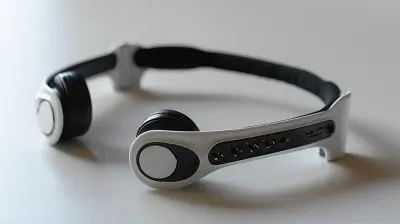
Headphone Sound Profiles: Understanding Bass, Mids, and Treble
14 March 2026
Ever popped on a pair of headphones and thought, “Wow, that bass is thumping!” or “Hmm, this sounds kinda flat”? Well, you’re not alone. Whether you're jamming to your favorite playlist, binge-watching your latest Netflix obsession, or deep into a gaming session, the way your headphones sound plays a huge role in your overall experience.
But what exactly makes headphones sound different? It all comes down to something called the sound profile—and more specifically, the bass, mids, and treble. These three elements are the pillars of audio. They shape how we hear music, dialogue, explosions, and everything in between.
So, let’s break it all down. This isn’t going to be some dry, textbook-style explanation. We're diving into the world of headphone sound profiles with an easy-to-understand, conversational guide that'll help you tune in (pun intended) to what you actually want from your audio gear.
What is a Headphone Sound Profile Anyway?
Alright, let’s get the basics out of the way.A sound profile, also known as a frequency response, is the unique way a pair of headphones reproduces different parts of the sound spectrum. Think of it like a flavor profile for food. Some meals are spicy, some sweet, some salty — and sound is no different. Some headphones are bass-heavy, others are balanced, and some are tuned for crisp highs.
Every audio track you hear is made up of various frequencies. Headphones pick up these frequencies and deliver them to your ears. But they don’t all handle frequencies equally — and that’s where profiles come in.
Let’s break those down.
Bass: The Boom You Feel in Your Soul
What is Bass?
Bass refers to the low-frequency sounds, typically from 20Hz to 250Hz. It’s that deep thump you feel in your chest when the beat drops. If music was a movie, the bass would be the action scenes — intense, dramatic, and impossible to ignore.What Does a Bass-Heavy Profile Sound Like?
Ever used Beats by Dre or Skullcandy headphones? Then you've experienced a bass-boosted sound profile. These headphones emphasize low-end frequencies, which makes them popular with genres like hip-hop, EDM, and trap.Here’s what you typically get:
- Deep, punchy drums
- Rumbly sub-bass you can almost feel
- A "club" or "concert" vibe in your ears
But too much bass can muddy the sound. It can drown out vocals and mask the details in your music. It’s like turning up the bass on your car stereo until everything else sounds like it’s underwater.
Who Likes Bass-Heavy Headphones?
If you're into bass-forward music or just love that immersive, physical sensation, this profile will be your jam. Great for:- EDM producers
- Hip-hop heads
- Gamers wanting explosive realism
- Movie lovers chasing heart-pounding soundtracks

Mids: The Soul of Your Sound
What are Mids?
Midrange frequencies run from 250Hz to around 4kHz and are where most of the magic happens. This is the range where vocals live, where guitars shred, and where speech in movies and podcasts gets its clarity.If bass is the body, mids are the soul of the sound.
What Does a Mid-Focused Profile Sound Like?
When headphones have a clear and well-balanced midrange, you'll hear all the subtlety in a singer’s voice or the fingerpicking in an acoustic guitar. It's emotional. It's nuanced. It's real.But if mids are too strong or colored poorly, they can make your audio sound boxy, nasal, or even harsh.
Here's what you notice with good mids:
- Vocals are front and center
- Instruments sound detailed and warm
- Dialogue is sharp and easy to follow
Ever listen to a live performance and feel like you're right there? That’s balanced mids doing their thing.
Who Cares About Mids?
If you're into acoustic music, indie, jazz, rock, or podcasts, you want a healthy midrange. This is a profile for purists:- Audiophiles
- Vocalists and instrumentalists
- Podcast fans
- Movie buffs who love crisp dialogue
Treble: The Sparkle on Top
What is Treble?
Treble sits in the high-frequency range, roughly 4kHz to 20kHz. This is where the sparkle lives — hi-hats, cymbals, the stringy shimmer of violins, the breathy whisper of a vocal.Treble adds clarity and air to the sound. It’s like the glitter that makes everything pop.
What Does a Treble-Focused Profile Sound Like?
Headphones that emphasize treble offer sharp, precise detail. You’ll hear the pick on a guitar string, the breath between a singer’s words, or the rustle of leaves in a movie scene.But there’s a catch: too much treble can sound sibilant (those “S” sounds get piercing), harsh, or even fatiguing over time. It’s like turning the brightness on your TV too high — things get unnatural.
With just the right amount of treble, though, your audio gains:
- Detailed highs
- Instrument separation
- A sense of space or “airiness”
Who’s All About Treble?
- Classical music lovers- People into audiobooks or vocals
- Detail freaks who want to hear every sound
- Acoustic and jazz enthusiasts
Different Sound Profiles and What They're Good For
Now that we’ve gone over bass, mids, and treble separately, let’s talk about how they mix together in headphone sound profiles. Not all headphones are balanced — and that’s totally okay. Different strokes for different folks.1. V-Shaped Sound Profile
👂 What it is: Boosted bass and treble, recessed mids🎧 Sounds like: Exciting, energetic, fun
🎶 Best for: EDM, pop, hip-hop, rock
This profile is super popular for casual listeners. It's like listening with a built-in party vibe.
2. Flat or Neutral Sound Profile
👂 What it is: Straight-line frequency response, no specific area emphasized🎧 Sounds like: Natural, uncolored, accurate
🎶 Best for: Mixing, mastering, critical listening, classical music
Audiophiles and music producers love this because it shows the track “as intended.”
3. Warm Sound Profile
👂 What it is: Slightly elevated bass and lower mids🎧 Sounds like: Smooth, cozy, mellow
🎶 Best for: Jazz, blues, acoustic, lo-fi
Think of it as your audio comfort food: rich and relaxing.
4. Bright Sound Profile
👂 What it is: Boosted treble and upper mids🎧 Sounds like: Detailed, crisp, airy
🎶 Best for: Classical, instrumental, vocals
This one’s lively but can become harsh if overdone.
How To Choose the Right Profile for YOU
Choosing a sound profile isn’t about what’s best — it’s about what’s best for you.Ask yourself:
- What kind of music do I listen to most?
- Do I prefer feeling the beats or hearing the details?
- Am I using headphones for casual listening or serious work?
Here’s a quick cheat sheet:
| You Like… | Go For… |
|-----------|----------|
| Deep bass & beats | V-shaped or bass-heavy profile |
| Clarity in vocals | Balanced or mid-forward |
| Detail & sparkle | Bright or treble-boosted |
| All-around balance | Neutral/flat |
| Chill vibes | Warm sound profile |
Can You Change a Headphone’s Sound Profile?
Short answer? Kinda.Most headphones come with a baked-in sound profile. But there are ways to tweak things:
- EQ Apps: Use equalizers to boost or cut frequencies.
- DACs/Amps: External gear can enhance certain elements.
- Foam Pads & Tips: On-ear comfort accessories can subtly change how sound is delivered.
- Noise-Canceling Modes: Some affect the profile dynamically.
Some premium headphones even come with customizable profiles or presets through companion apps. Think Sony, Bose, Sennheiser, and others.
Final Thoughts: Your Ears, Your Rules
When it comes to headphone sound profiles, there’s no one-size-fits-all. What sounds like warm chocolate to you might sound like mush to someone else. And that’s the beauty of it.Whether you're a bass lover, clarity chaser, or someone craving a balanced audio experience — there’s a sound profile that matches your vibe.
Now, next time someone asks, “Hey, are these good headphones?” you’ll know what to say: “Depends on the sound profile you're after.”
Because in the end, it’s not just about listening — it’s about feeling the music.
all images in this post were generated using AI tools
Category:
HeadphonesAuthor:

John Peterson
Discussion
rate this article
2 comments
Karly Ellison
Unlock the secret harmony—what if your headphones hide a sound mystery?
April 1, 2026 at 10:19 AM
Gavin Wolfe
Sound profiles in headphones shape our auditory experience, revealing layers of emotion and nuance in music. By mastering bass, mids, and treble, we engage not just with melodies, but with the very essence of sound, fostering a deeper connection to the art itself.
March 17, 2026 at 11:38 AM
John Peterson
Absolutely! Understanding sound profiles enhances our musical experience, allowing us to appreciate the depth and emotion within each track.