How Battery Advancements Are Powering the Space Race
21 November 2025
In this new space age, it's not just rockets that are launching us forward—it's batteries. Yep, good old batteries. Sure, rockets get all the attention with their roaring engines and flashy countdowns, but behind the scenes, battery technology is the unsung hero pushing us deeper into the cosmos.
From keeping astronauts alive to fueling robotic spacecraft, batteries have become the backbone of modern space exploration. As the race to the stars intensifies—with private companies and international agencies all diving in—battery advancements are quietly stealing the spotlight. Let's talk about how we're amping up our power storage to conquer the final frontier.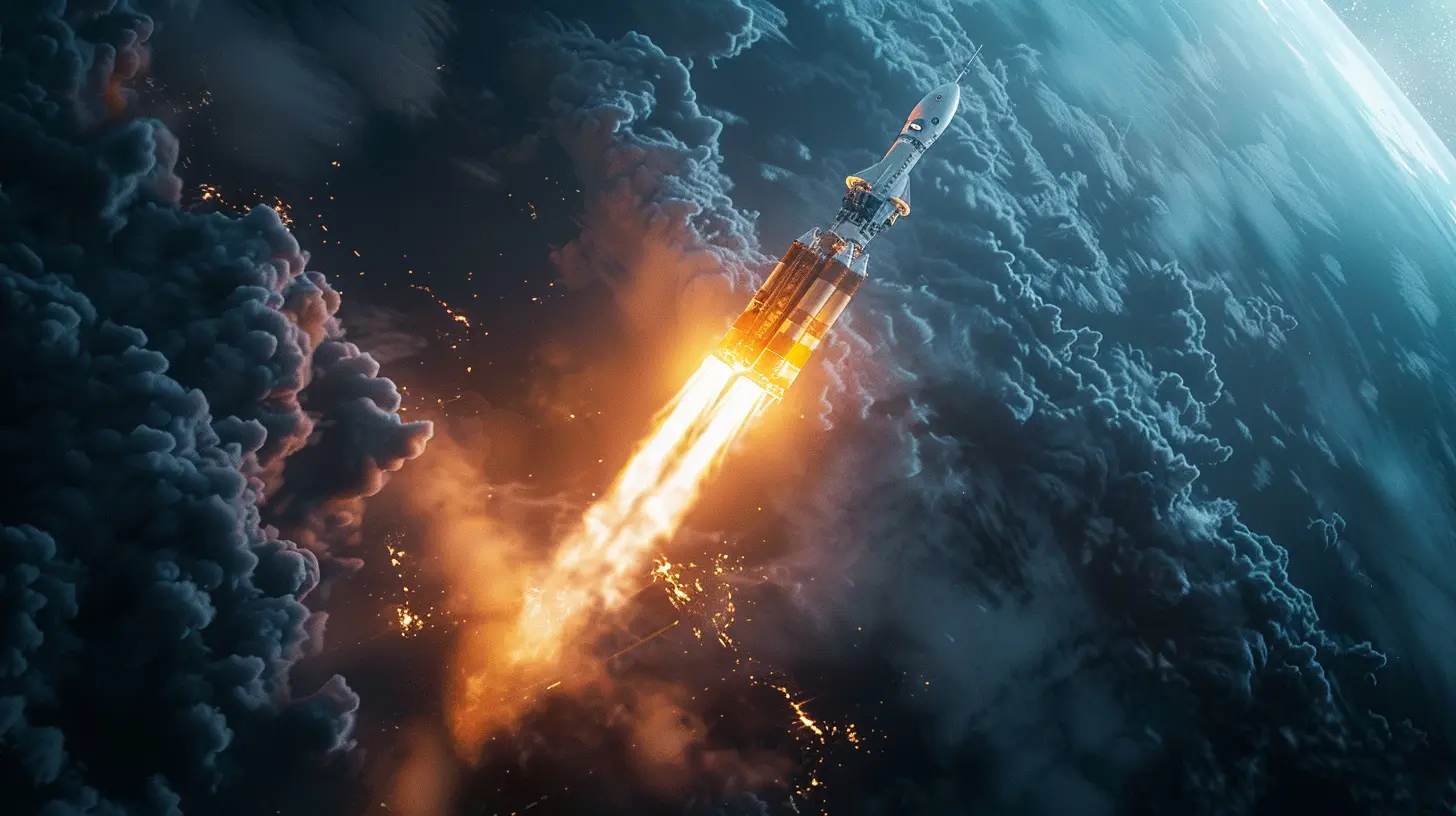
Why Batteries Matter in Space
When we think of space travel, it's easy to focus on the rocket launch. But what happens after liftoff? That’s where batteries come in. Spacecraft operate far from the Sun for solar power or sometimes in shadowy regions where solar panels just won’t cut it. Instruments, communication systems, onboard computers—they all need electricity. And that power has to come from somewhere.Batteries aren't just power backups; they're lifelines. Take the International Space Station (ISS) for example. It uses a mix of solar panels and rechargeable batteries to keep things running when it's on the dark side of Earth. The batteries kick in when sunlight is not available, and they store enough juice to power everything from basic life-support systems to scientific instruments.
The Shift: From Traditional to Next-Gen Batteries
So, what's changed in battery tech? Why are we suddenly paying more attention to them?Well, traditional batteries like nickel-hydrogen have long been dependable, but they’re bulky and heavy—two things you definitely don’t want in a spacecraft. Every extra gram adds up in fuel costs. That's where newer battery tech comes charging in (pun intended).
Lithium-Ion: The Current Star
You’re probably familiar with lithium-ion (Li-ion) batteries. They’re in our phones, laptops, and electric cars. But guess what? They’ve been powering space missions, too.NASA has made a significant switch from nickel-hydrogen to lithium-ion on the ISS. Why? Because they pack more energy in a smaller, lighter package. They're also more efficient at charging and discharging, which matters a lot when you're moving in and out of sunlight every 90 minutes while orbiting Earth.
Li-ion batteries are already being used in Mars rovers, satellites, and other deep-space missions. They’re reliable, rugged, and energy-dense—which makes them the go-to option for current space missions.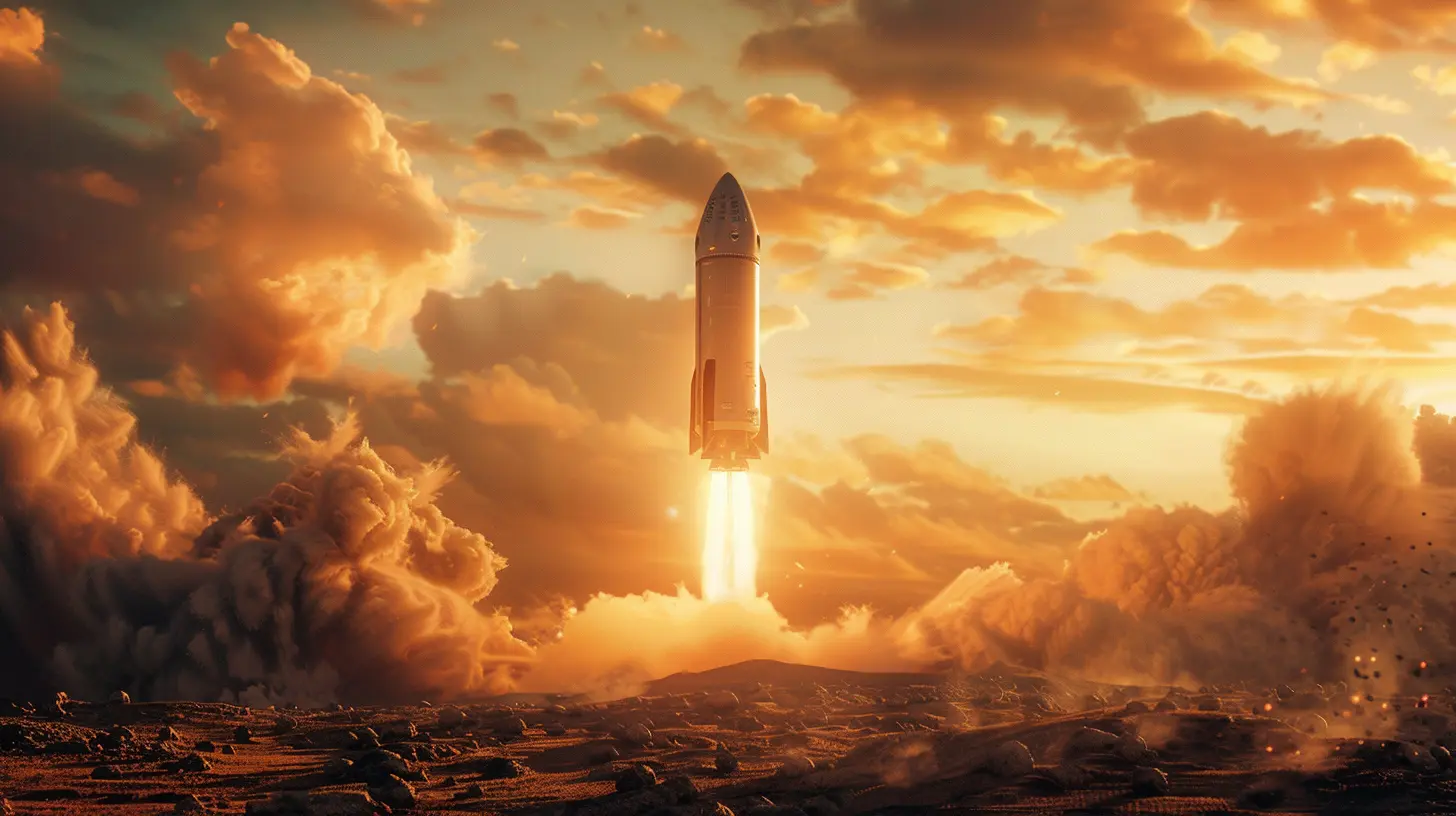
Next-Gen Battery Innovations Pushing the Envelope
But hold up, even lithium-ion batteries aren't perfect. They degrade over time, can overheat, and have limited capacity. So, the tech world isn’t stopping there.Here’s a peek at what’s coming down the pipeline.
Solid-State Batteries
Think of solid-state batteries as Li-ion’s cooler, more advanced sibling. Instead of a liquid electrolyte, they use a solid one, which makes them safer (no leaking or catching fire) and more energy-dense.In space, where safety is everything and swapping out a battery isn't exactly easy, solid-state batteries could be a total game-changer. They’re also less vulnerable to radiation—an ever-present threat in space.
Graphene-Based Batteries
Graphene has been called a "wonder material" for years, and for good reason. It's insanely strong, super light, and has crazy good electrical conductivity.Graphene-based batteries could offer faster charging, longer life, and better performance in extreme temperatures—all essential qualities for space missions. The downside? They're still in early development stages. But once commercialized, they might revolutionize power storage, both on Earth and beyond.
Metal-Air Batteries
Want to go really futuristic? Metal-air batteries might be the key. These batteries use oxygen from the environment (or stored oxygen in space) as a reactant, which drastically reduces their weight.Aluminum-air and lithium-air batteries are being explored for their high energy potential. Though they’re not ready for prime time yet, the concept is groundbreaking. Imagine a satellite that carries part of its “fuel” from the atmosphere—it’s science fiction turning into tech fact.
Powering Rovers, Satellites, and Beyond
Let’s zoom in on how batteries actually power different missions.Rovers Crawling on Alien Soil
Mars rovers like Curiosity and Perseverance are basically robotic geologists with wheels—and they need serious power to keep chugging through dusty terrain, analyze rocks, and send selfies back to Earth.Curiosity uses a radioisotope thermoelectric generator (RTG), which converts heat from plutonium into electricity. Still, it relies on lithium-ion batteries to store that power for use during high-demand operations.
Perseverance has pretty much the same setup but with upgraded power systems, leveraging better battery tech to handle higher energy loads.
Satellites and Space Probes
From weather satellites to deep-space probes like Voyager and Juno, reliable power is non-negotiable. Many of these still use solar power combined with battery backup. And modern battery innovations have allowed these backups to last longer and handle tougher conditions.For instance, the James Webb Space Telescope, our newest eyes in the sky, uses solar power but requires advanced, highly-reliable batteries to maintain systems through launch and shadow periods.
The Role of Private Space Companies
Elon Musk’s SpaceX, Jeff Bezos’s Blue Origin, and Richard Branson’s Virgin Galactic are making space more competitive—and batteries are a big part of their secret sauce.SpaceX
SpaceX uses lithium-based batteries in both its rockets and spacecraft. The Dragon capsule, which ferries cargo and humans to space, relies on high-capacity rechargeable batteries to operate everything—from cabin lights to navigation systems.Tesla’s battery knowledge spills over here. After all, when you have a company building high-performance electric cars, it only makes sense to share the tech love with your space division.
Blue Origin & Virgin Galactic
These space companies are also jumping on the battery innovation train. They’re investing in research to optimize battery weight, safety, and charge times. Given the commercial aspect of their missions—like space tourism—safety and reliability are even more critical.Long-Term Missions: Going Deeper with Better Batteries
As we set our sights on Mars, the Moon, and maybe even asteroids, battery tech needs to evolve big time.Lunar Missions
NASA’s Artemis program aims to return humans to the Moon. But nights on the Moon last about 14 Earth days—try surviving that without sunlight. Batteries will have to pick up the slack, storing enough energy to make it through these long lunar nights.New battery types with longer life and minimal degradation will be key.
Mars Colonization
If we ever hope to build even a small outpost on Mars, we’ll need power for everything—habitats, rovers, communication systems, and even greenhouses. Batteries will need to be insanely reliable and capable of being recharged through renewable sources like solar.Imagine using solar farms charging giant lithium or solid-state battery banks for Martian cities. It’s not sci-fi—it’s just the next logical step.
Challenges Still Holding Us Back
Let’s not get carried away—there are still some hurdles.Radiation
Space is full of radiation that can mess with battery chemistry. Most Earth-made batteries aren’t designed to handle that, so special shielding or materials are required.Temperature Extremes
Space goes from scorching hot to freezing cold in seconds. Batteries hate these swings. Making them stable across a wide range of temperatures is an ongoing challenge.Cost and Scalability
Solid-state and graphene batteries might sound amazing, but they’re expensive and hard to manufacture at scale. Until the cost goes down, they won’t be widely adopted—even in space.Future Outlook: What’s Next?
The space race isn’t just about who gets there faster—it’s about who stays longer and makes the most of the journey. And as we keep pushing the limits of exploration, battery innovation will be right there with us, quietly powering dreams.Expect to see:
- More investment in space-rated energy storage.
- Hybrid power systems combining solar, nuclear, and advanced batteries.
- Lightweight, self-healing batteries for long-duration missions.
The finish line isn’t even in sight, and that’s a good thing. Because every advancement in battery tech brings us one step closer to making space not just a destination, but a new home.
Final Thoughts
Honestly, batteries might not be the flashiest part of the space race, but they’re absolutely essential. As scientists build smarter, lighter, and more efficient power systems, they’re unlocking missions that were once impossible.So, next time you see a rocket streaking through the sky, remember—it’s the batteries keeping things running long after the flames go out.
all images in this post were generated using AI tools
Category:
Battery TechnologyAuthor:

John Peterson
Discussion
rate this article
2 comments
Fallon McEachern
Looks like batteries are the new rocket fuel! Who knew the secret to reaching the stars was just some good ol' lithium and a dash of innovation? At this rate, my phone might be launching itself into orbit before I even get to charge it. #SpaceGoals #ChargeMeUp!
December 7, 2025 at 1:24 PM
John Peterson
Absolutely! It's incredible how battery technology is revolutionizing space exploration—making missions more efficient and accessible than ever. Who knows what the future holds! 🚀🔋
Elijah Snow
Battery innovations ignite exploration, redefining humanity's cosmic ambitions.
November 30, 2025 at 4:54 AM
John Peterson
Thank you! Indeed, battery innovations are crucial for advancing our capabilities in space exploration and realizing our cosmic dreams.