How Fintech is Empowering Small Businesses with Better Financial Tools
12 May 2026
Let’s face it—running a small business is hard. I mean, really hard.
If you’re a small business owner, your to-do list is never-ending: managing inventory, dealing with customers, hiring talent, and wearing about a dozen different hats all day long. Now, toss in finances—banking, loans, cash flow, invoicing—and things can get downright overwhelming.
But here's some good news. Thanks to fintech (short for financial technology), many of those headaches? They're fading away. Fintech is stepping in like a superhero with a slick app, transforming how small businesses handle money.
In this article, we’ll break down how fintech is not just shaking up the finance world but actually empowering small business owners like you with powerful, easy-to-use financial tools. Let’s dive in.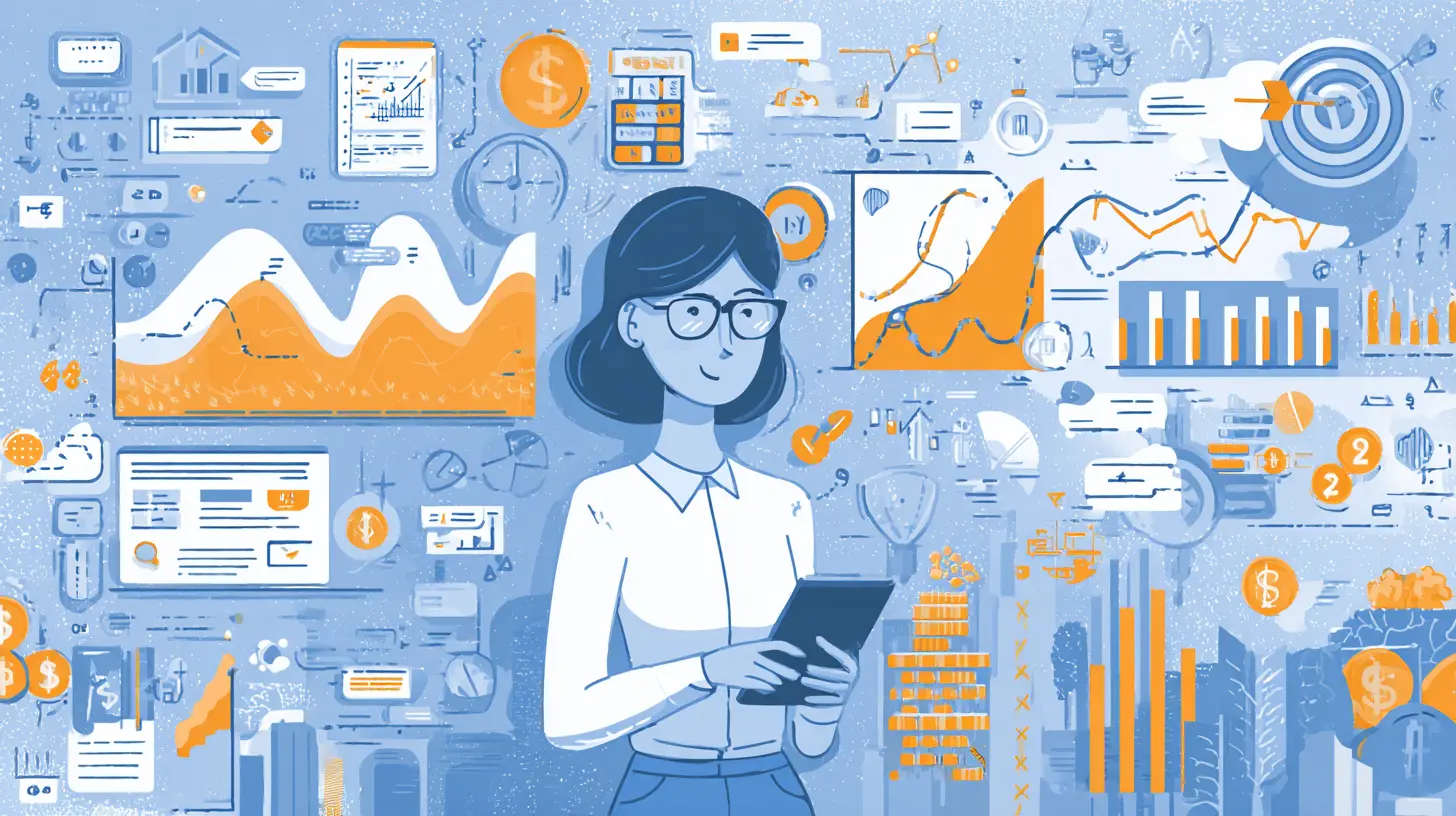
What Exactly Is Fintech?
Before we go any further, let’s clear the air.Fintech isn’t just a buzzword. It refers to the technology that aims to improve and automate the delivery and use of financial services. We're talking about mobile payment apps, online lending platforms, digital banks, and even AI-powered accounting software.
Think of fintech as the cool younger cousin of traditional finance—tech-savvy, fast-moving, and way more approachable.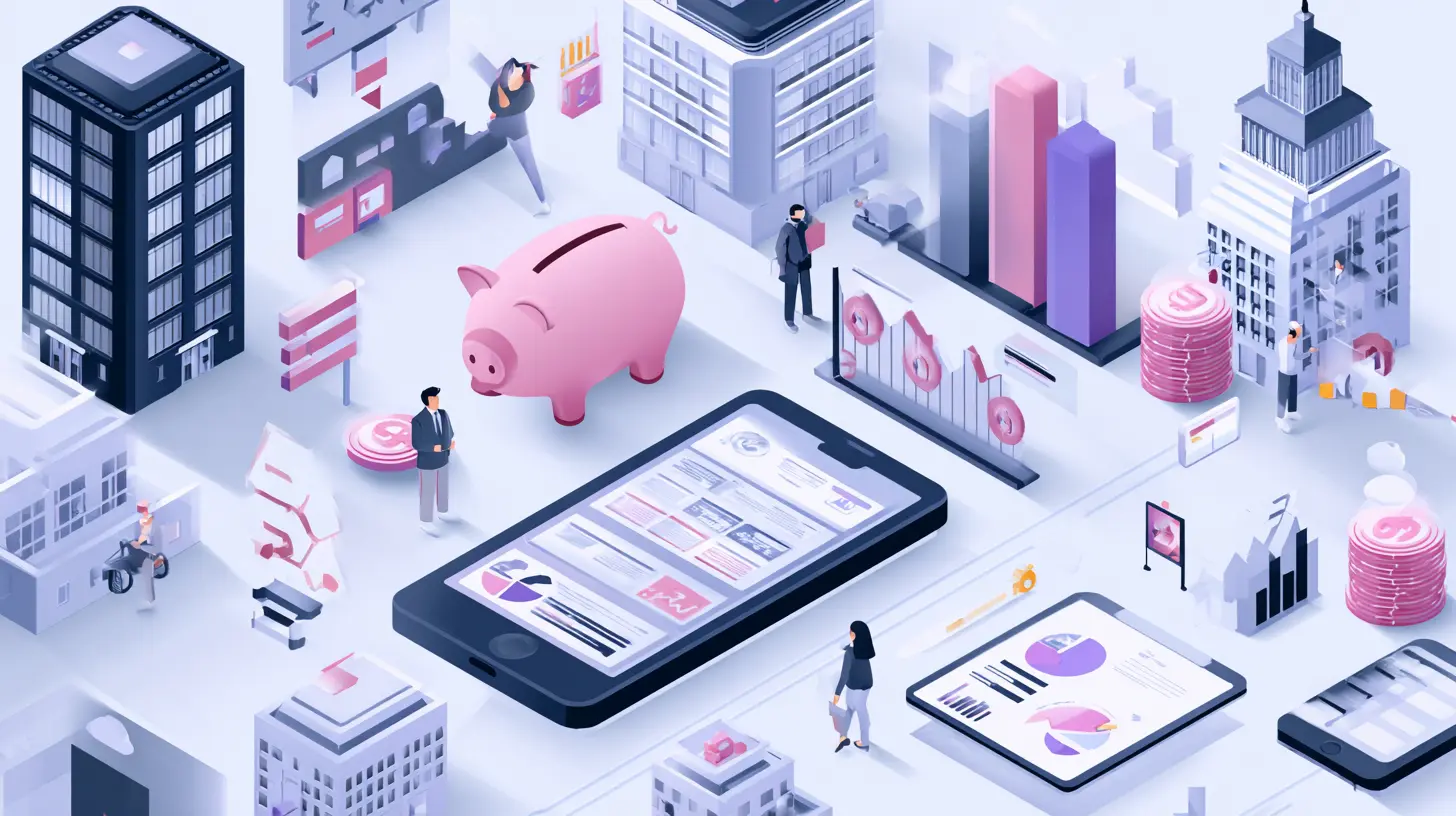
The Big Problem Small Businesses Face With Traditional Finance
To really appreciate what fintech is doing for small businesses, let’s rewind a bit.Traditional financial systems weren’t built with small businesses in mind. Banks require tons of paperwork just to open a business account. Getting a loan could take weeks (or worse, months), and even then, approval isn’t guaranteed. Not to mention the high fees, confusing terms, and slow service.
Small businesses often find themselves underserved, overlooked, or flat-out rejected by the big players in finance. And when your business is fighting to survive, every second and every cent counts.
That’s where fintech swoops in to save the day.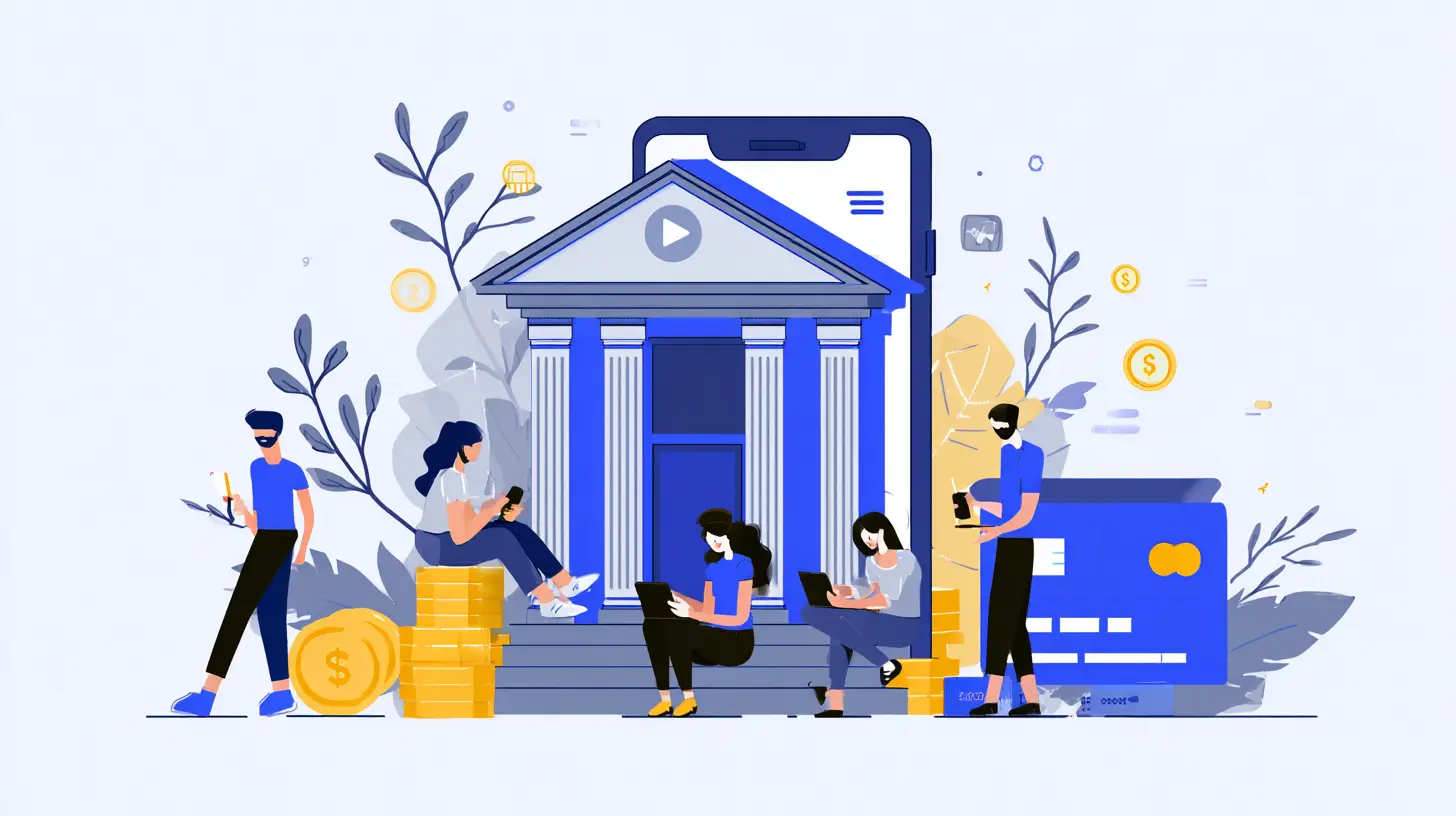
How Fintech Is Leveling the Playing Field
Let’s break down exactly how fintech is giving small businesses a serious leg up.1. Faster, Easier Access to Capital
If you’ve ever tried to get a loan from a traditional bank, you know the process can be brutal.Fintech lenders—think Kabbage, Fundbox, BlueVine—are flipping the script. They use algorithms and real-time data to assess your creditworthiness quickly. That means:
- No need for years of bank statements.
- Fast approvals (sometimes in minutes!).
- Quick access to funds—often within 24 hours.
This accessibility can be a game-changer when you need to cover unexpected expenses or seize a business opportunity fast.
2. Seamless Online Banking
Digital banks like Novo, Mercury, and Lili are creating banking experiences tailor-made for small business owners. No more waiting in line at a bank branch. Everything’s done online, and it’s intuitive.These fintech banks often come with:
- No monthly fees.
- Integrated invoicing tools.
- Automated expense tracking.
- Real-time transaction notifications.
This isn’t just convenient—it’s liberating.
3. Smarter Accounting and Bookkeeping
Let’s be real: most entrepreneurs don’t start a business because they love accounting.Fintech solutions like QuickBooks, FreshBooks, and Wave simplify this dreaded task. They automate the boring stuff—like categorizing expenses, reconciling bank statements, and calculating taxes. Some even use AI to offer smart insights into your cash flow or spending patterns.
Now, you can spend less time crunching numbers and more time growing your business.
4. Better Payment Solutions
Getting paid on time is one of the biggest pain points for small businesses. Fintech swoops in with modern payment tools that make this a breeze.Apps like Square, Stripe, and PayPal help you:
- Accept credit card payments (online and in person).
- Set up recurring payments.
- Send professional invoices.
- Integrate payments with your website.
Some even offer point-of-sale systems that are powerful yet affordable, turning your smartphone into a full-fledged checkout counter.
5. Enhanced Cash Flow Management
Cash flow is the lifeblood of small businesses. One misstep, and you’re in trouble.Fintech tools help you monitor your cash flow in real-time. With dashboards and alerts, you can:
- Forecast future cash flow.
- Identify slow-paying clients.
- Cut unnecessary expenses.
- Make better budgeting decisions.
Apps like Float and Pulse do an amazing job at making cash flow visual and understandable—no more staring blankly at spreadsheets.
6. Simplified Payroll and HR Management
Even if you only have a couple of employees, running payroll can be a nightmare.Fintech tools like Gusto, Deel, and OnPay automate everything—from employee payments to tax filings. You can onboard new team members, track time, and stay compliant with labor laws, all from one dashboard.
Your team gets paid on time, and you get peace of mind. Win-win.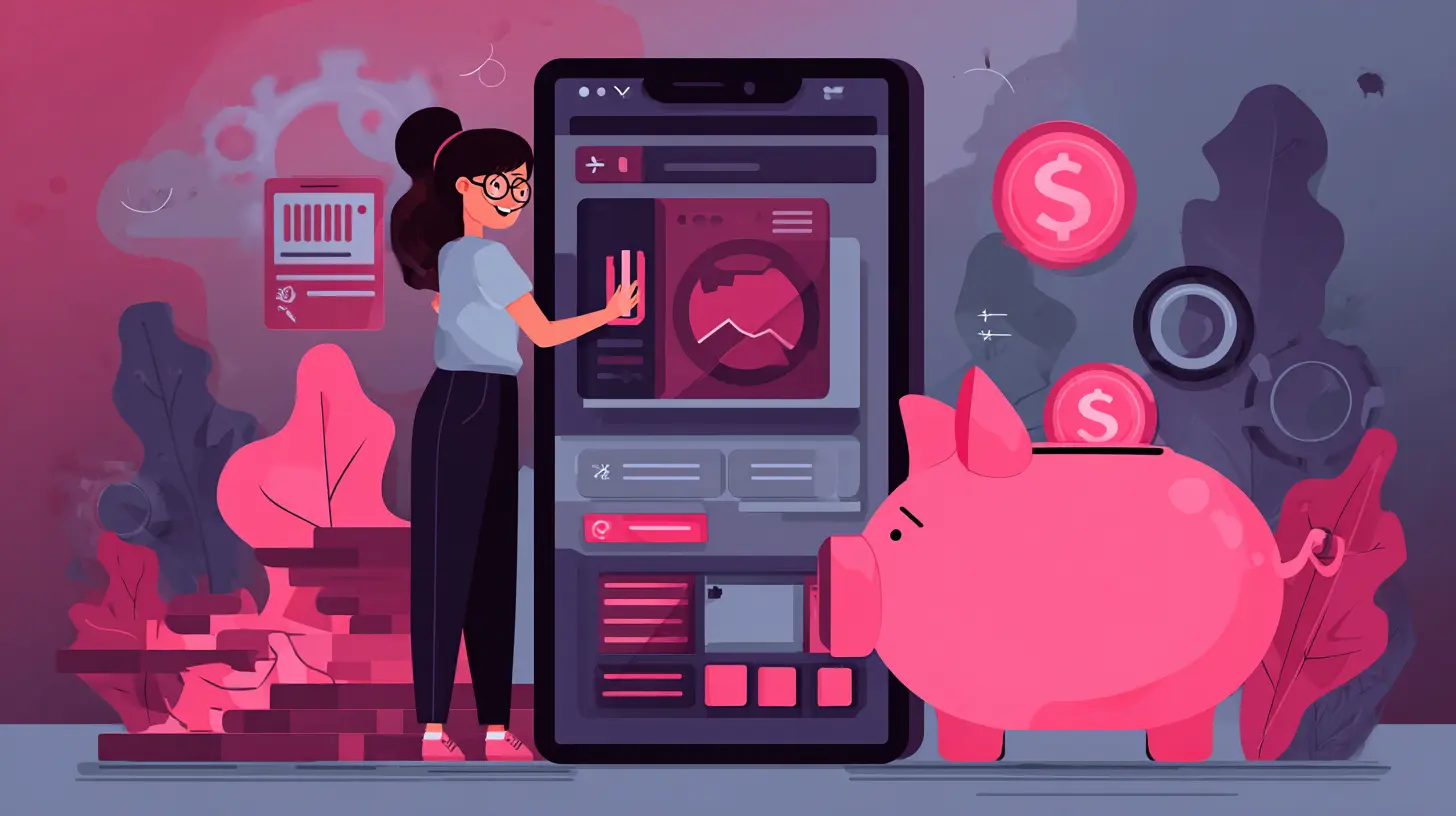
Why This Matters More Than Ever
Over the past few years, we’ve seen the rising importance of digital transformation—especially for small businesses.The pandemic only accelerated this shift. Businesses that could pivot online, adopt digital tools, and stay agile had a better shot at surviving and thriving.
Fintech plays a massive role in this shift. It’s not just about convenience—it’s about resilience. These tools are helping small businesses:
- Stay competitive.
- Operate more efficiently.
- Make data-driven decisions.
- Serve customers better.
In short? Fintech is more than a trend—it’s a necessity.
Challenges and Considerations (Because Nothing’s Perfect)
Of course, it’s not all rainbows and unicorns. There are a few things to watch out for when diving into the fintech world.1. Security Concerns
With great tech comes great responsibility (yes, we just paraphrased Spider-Man). Choosing a fintech tool means trusting it with sensitive business data. Make sure the platform uses strong encryption, two-factor authentication, and other security best practices.2. Integration Hassles
Some tools don’t play nice with others. If your invoicing software doesn’t sync with your accounting platform, you're basically back to manual data entry. Look for systems built to integrate smoothly with each other.3. Hidden Fees
Always read the fine print. Some fintech platforms advertise low or no fees, only to surprise you later with transaction costs or service charges.Try before you buy, and don’t be afraid to ask questions.
Real-Life Impact: Stories from the Trenches
Still not convinced? Let’s peek at how real small businesses are crushing it with fintech tools.- Laura, a freelance consultant, uses an app like FreshBooks to invoice clients, track hours, and estimate taxes—all while sipping coffee from a local café.
- Carlos, who runs a small bakery, switched to Square for payments. Now he takes card payments at the farmers’ market and gets daily sales reports straight to his phone.
- Jasmine, an e-commerce store owner, uses Klarna and AfterPay to offer “buy now, pay later” options—boosting her sales and giving customers more flexibility.
These stories aren’t rare. They’re the new normal.
The Future of Fintech and Small Business
Here’s the exciting part—the fintech revolution isn’t slowing down anytime soon.With advances in AI, machine learning, blockchain, and open banking, we can expect even smarter tools in the near future. Think predictive analytics that can warn you of potential cash flow issues weeks in advance, or lending platforms that offer hyper-personalized loan options in real-time.
And the best part? Many of these tools are becoming more affordable and accessible, meaning even the smallest of businesses can tap into cutting-edge technology.
So, What Should You Do?
If you’re a small business owner and still relying solely on spreadsheets or a traditional bank, it might be time to upgrade your toolbox.Start small: pick one area—maybe payments or accounting—and try a fintech solution. Test it, see how it fits, and gradually build up from there.
Remember, it’s not about using every tool out there. It’s about choosing the right mix that helps you run smarter, faster, and with more confidence.
Final Thoughts
Fintech isn’t just another shiny object. It’s a real game-changer for small businesses struggling to manage their finances, access capital, and stay competitive.By embracing these new tools, small businesses are finally getting the financial resources they’ve long been denied by traditional institutions. The result? More time, better insights, lower costs—and a brighter path to success.
So, if you're tired of feeling like David going up against Goliath, just remember: with fintech, you've got a pretty powerful slingshot in your pocket.
all images in this post were generated using AI tools
Category:
FintechAuthor:

John Peterson
Discussion
rate this article
2 comments
Nymira McMahon
This article highlights how fintech is transforming small businesses by providing accessible financial tools. While the advantages are clear, it's essential to consider challenges like data security and digital literacy. fintech offers promising solutions to help small enterprises thrive.
June 9, 2026 at 3:18 AM
John Peterson
Thanks for your insights! You're right about the balance between benefits and challenges. It's crucial for small businesses to navigate these aspects as they embrace fintech.
Stephanie McKittrick
Fintech is revolutionizing small businesses by providing accessible financial tools that simplify management and boost growth opportunities.
May 19, 2026 at 12:53 PM
John Peterson
Absolutely! Fintech is leveling the playing field for small businesses, making financial management easier and unlocking new growth potential.