How Noise-Cancelling Headphones Work: A Beginner’s Guide
22 June 2026
Let’s face it—noise is everywhere. Whether it’s the rumble of traffic during your commute, chatter in a coffee shop, or the hum of airplane engines at 35,000 feet, unwanted sounds can ruin a perfectly good listening experience. But thanks to a piece of clever tech—noise-cancelling headphones—you can block out the world and focus on what matters: your music, podcast, or just some glorious silence.
If you’ve ever wondered what kind of magic goes into making noise disappear with the flick of a switch, you’re in the right place. This guide will break it all down step by step. So grab your favorite drink, pop in your earbuds (or throw on your headphones), and let’s dive into the fascinating world of noise cancellation.
What Are Noise-Cancelling Headphones?
In simple terms, noise-cancelling headphones are like a personal mute button for the world. Unlike regular headphones, which just cover your ears and physically block some sound (passive noise isolation), noise-cancelling headphones actively "listen" to the noise around you and cancel it out.They do this using a smart little trick from the world of audio engineering—a concept known as “phase inversion” or “destructive interference.” Don’t worry, it sounds geekier than it actually is. Stick with me and you’ll be impressing your friends in no time.
The Two Types of Noise Cancellation
Let's clear up one common misconception. Not all noise cancellation is created equal. There are actually two main types:1. Passive Noise Cancellation
This is the old-school version. It involves physically blocking outside noise. Think thick ear cups, padded cushions, and snug fits that seal your ears from external sound. It’s like putting your fingers in your ears—effective to a point, but it doesn’t touch low-frequency drones like engines or HVAC systems.2. Active Noise Cancellation (ANC)
This is where the magic happens.Active noise cancellation uses microphones, sound waves, and some nifty math to cancel out unwanted noise. These headphones don’t just block noise—they fight back. This technology has become a game-changer, especially for frequent travelers, remote workers, and audio enthusiasts.
So... How Does Active Noise Cancellation Actually Work?
Let’s break it down in plain English.Step 1: Tiny Microphones Listen To The Outside World
Your noise-cancelling headphones have tiny mics built into them. These little ears are constantly listening to the sounds around you—like that guy talking too loudly on his phone or the whir of a bus engine.Step 2: The Headphones Create “Anti-Noise”
Here’s the mind-blower: the headphones then produce a sound wave that is the exact opposite (think mirror image) of the incoming noise. This is called phase inversion. When the original sound wave and the anti-noise wave meet, they cancel each other out. It’s like adding +1 and -1 together—you get zero.Step 3: Clean (And Quiet!) Sound Reaches Your Ears
The result? A significant reduction in background noise. It doesn’t make the world completely silent, but it takes the edge off. And in some environments, it feels like magic. This makes your music clearer, your calls more focused, and your peace of mind much easier to find.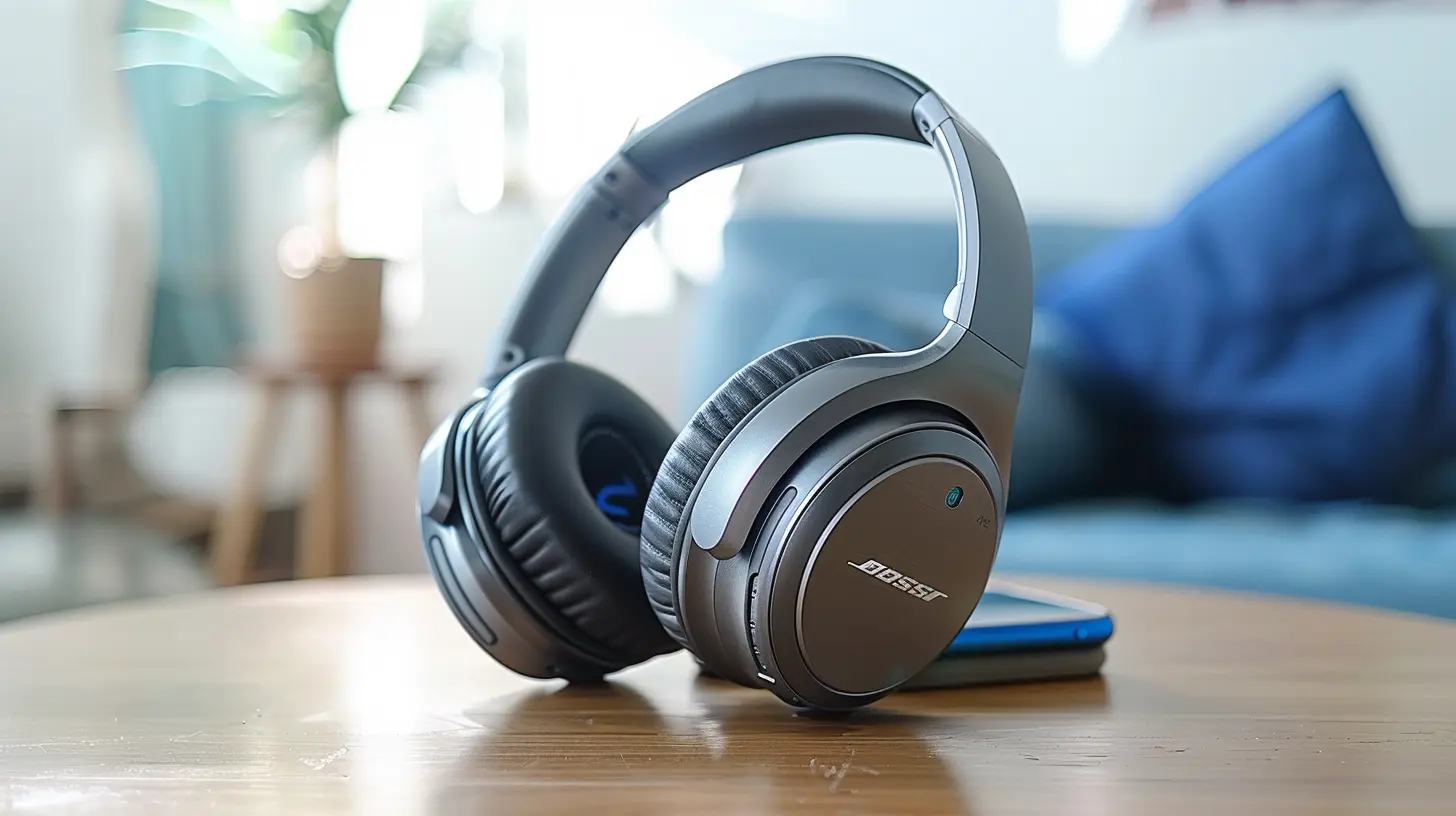
Digging Deeper: The Tech Behind ANC
Want to geek out a little? Let’s go under the hood.Active noise-cancelling headphones use a mix of hardware and software:
- Microphones: Usually, they use two kinds—feedforward (outside the ear cup) and feedback (inside the ear cup) to better detect ambient sound.
- ANC Processor: This is the brain. It takes the audio captured from the mics and calculates the exact opposite wave in real-time. We're talking thousandths of a second here!
- Speaker Drivers: These play both your music and the anti-noise wave at the same time.
- Battery: Since ANC needs power to work, the headphones come with rechargeable batteries. That’s why ANC headphones need to be charged, even if you're not using Bluetooth.
It’s an elegant dance of timing, computation, and acoustics that takes place in real time.
When Are Noise-Cancelling Headphones Most Useful?
Here’s where ANC headphones really shine:✈️ On Flights
That constant engine drone? Consider it handled. ANC headphones are a godsend on airplanes, reducing fatigue and making long-haul travel way more bearable.? On Public Transport
Blocking out noisy subways, honking cars, and loud passengers turns your daily commute into a bubble of calm.? In the Office (Or Home Office)
Whether you're dodging chatty coworkers or barking dogs, ANC can help you stay focused and productive.? For Better Sleep
Some folks even use ANC to sleep better, like in loud neighborhoods or hotel rooms. Just make sure you’re comfortable sleeping with headphones on!Limitations of Noise-Cancelling Headphones
As cool as ANC tech is, it's not perfect.They Don’t Cancel All Sounds
ANC is great at blocking consistent, low-frequency sounds (like fans, engines, and AC units). But sudden, sharp noises (like someone clapping or yelling) can still sneak through. It’s not a force field—it’s more like a smart filter.Price Tag
Good ANC headphones aren’t cheap. Brands like Bose, Sony, Apple, and Sennheiser lead the pack, often with price tags north of $300. You're paying for the high-tech engineering, and it shows in the performance.Battery Dependency
Since ANC needs power to function, your headphones are practically reliant on battery life. Run out of juice? You still get passive noise blocking, but it’s not the same.Can Cause Discomfort For Some
A few users report feeling pressure or discomfort due to ANC. This is usually psychological, created by the unnatural silence or slight delay from phase inversion.How to Choose the Right Noise-Cancelling Headphones
Buying a pair? Here’s what to consider:✅ Sound Quality
ANC is great, but don’t compromise on audio clarity. Try them out if you can. Look for balanced bass, clear mids, and crisp highs.✅ Comfort
You may wear them for hours. Go for padded ear cups, adjustable headbands, and lightweight designs.✅ Battery Life
Some top-tier models offer 30+ hours of ANC on a full charge. Look for quick-charge features too—you’ll thank yourself later.✅ Level of Noise Cancellation
Some headphones offer adjustable ANC. This is handy when you want to hear your surroundings (like at a crosswalk) without removing your headphones.✅ Extra Features
Look out for: touch controls, voice assistant support, wireless range, multi-device pairing, and foldable designs for portability.Most Popular Brands for Noise-Cancelling Headphones
Here are a few heavy hitters in the ANC game:- Sony WH-1000XM5 – Known for powerful ANC and premium sound.
- Bose QuietComfort Series – Pioneers of ANC tech with legendary comfort.
- Apple AirPods Max – Best for Apple ecosystem users.
- Sennheiser Momentum Series – Audiophile-grade sound with effective ANC.
- Anker Soundcore Life Q Series – Budget-friendly with decent noise cancellation.
Each brand brings something unique to the table, so it’s worth testing or comparing online reviews before buying.
Are They Worth It?
Absolutely—if you value peace and quiet.For frequent travelers, remote workers, or anyone who's easily distracted, ANC headphones are one of the best tech investments you can make. It’s not just about blocking sound—it’s about creating better focus, improved relaxation, and a more immersive listening experience.
When you put on a quality pair of noise-cancelling headphones for the first time, it’s a life-changing moment. The world fades, and suddenly it’s just you and the music. Or the podcast. Or blessed, beautiful silence.
Final Thoughts
Noise-cancelling headphones aren’t just a trendy gadget—they’re a powerful tool engineered to give you better control over your auditory environment. Understanding how they work only adds to the appreciation.From tiny microphones picking up ambient noise to the precise algorithms that create “anti-noise,” it’s amazing how science and technology combine to bring you peace of mind in a noisy world.
So the next time you're drowning in background noise, just pop on your ANC headphones and let the tech do the talking… or rather, the silencing.
all images in this post were generated using AI tools
Category:
HeadphonesAuthor:

John Peterson
Discussion
rate this article
1 comments
Faelan McQuillan
Finally, a guide on noise-cancelling headphones. Because who doesn't want to tune out the world while still pretending to listen to it? Genius!
July 15, 2026 at 3:48 AM
John Peterson
Thanks! Noise-cancelling headphones really do help create your own little world, even when you need to stay aware. Glad you liked the guide!