How Smart Wearables Are Shaping the Future of Retail
6 February 2026
Let’s be honest—retail has gone through a heck of a transformation. From the days of waiting in long checkout lines and fumbling for loyalty cards to contactless payments and personalized product suggestions, it’s clear the shopping game has changed. And at the heart of this revolution? Smart wearables.
Yeah, those sleek little gadgets on our wrists and in our ears aren't just counting steps or tracking heartbeats anymore—they’re becoming retail's newest MVPs (most valuable players). But how exactly are smart wearables shaping the future of retail? Let’s break it down.
What Exactly Are Smart Wearables?
Before we dive into the retail side of things, let’s clear up what we mean by smart wearables.Smart wearables are electronic devices that you can wear on your body—think smartwatches, fitness bands, smart glasses, and even smart rings. These devices often connect to your smartphone and come with built-in sensors that track data, send notifications, and even allow you to interact with other tech.
But here’s the kicker: These devices are now stepping up in retail by providing real-time data, enabling seamless transactions, enhancing personalization, and even improving in-store experiences.
The Shift: From Fitness to Fashion to Retail
Originally, wearables were all about fitness and health. Track your steps, monitor sleep, check your heart rate—that kind of thing. But retailers quickly realized something: these gadgets were goldmines of consumer behavior data.Smart wearables are now pulling triple duty:
- Monitoring health and fitness (as usual)
- Acting as mobile wallets
- Delivering targeted ads and product recommendations
They’ve transitioned from health gadgets to lifestyle assistants, and retail is cashing in.
Real-Time Personalization: The Game-Changer
Ever walked into a store and thought, “Man, I wish someone could just tell me what I’d like”? That’s where smart wearables come in clutch.These devices can now track your preferences and past behavior and then offer tailored suggestions. Let’s say your smartwatch knows you’re a sneakerhead. Walk into a store, and boom—you get a notification about a limited sneaker drop happening upstairs. That’s real-time personalization in action.
Retailers are tapping into wearable data to:
- Customize product recommendations
- Adjust marketing campaigns on the fly
- Offer dynamic pricing based on behavior
It’s like having your own personal shopper—only smarter, and always right there on your wrist.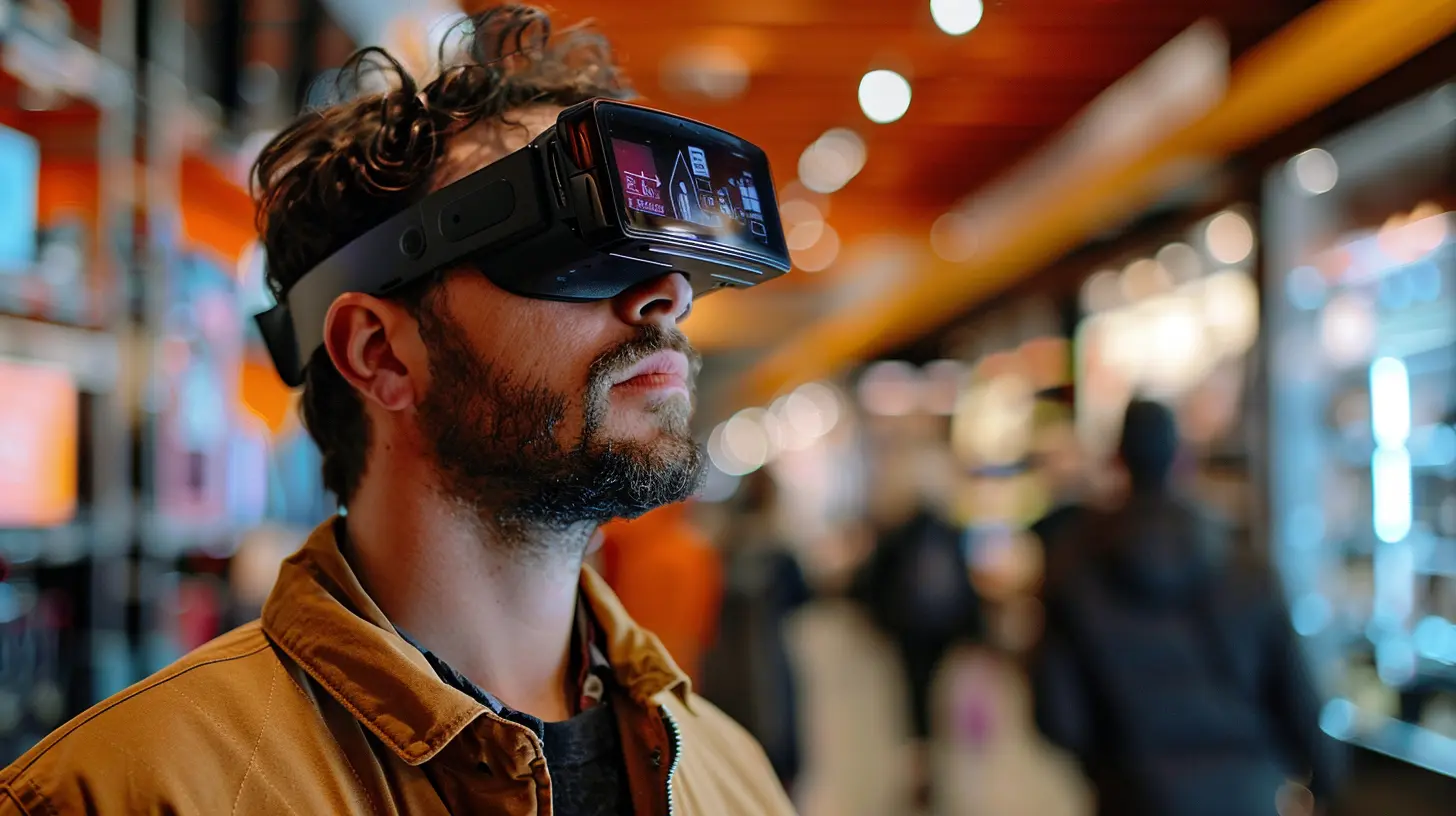
Contactless Payments Are Getting Even Smoother
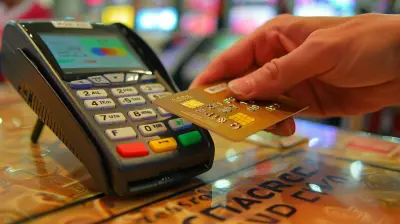
Raise your hand if you’ve ever struggled with your wallet while juggling shopping bags. Yeah, we’ve all been there. But smart wearables? They’re making that struggle a thing of the past.With NFC-enabled wearables like smartwatches and rings, users can make lightning-fast, contactless payments. It’s simple, secure, and lets you tap and go.
From Apple Pay on the Apple Watch to Fitbit Pay and Garmin Pay, contactless is the new king of payments. And for retailers, this means:
- Faster checkout lines
- Happier customers
- Less need for physical cash or cards
The less time we spend paying, the more time we spend shopping. Win-win.
In-Store Engagement: Wearables Are the New Sales Associates
Imagine walking into your favorite store and being guided, almost magically, to exactly what you’re looking for. No awkward interactions or confused wandering—just smooth sailing. That’s what smart wearables are enabling through beacon and geolocation technologies.Retailers can now send location-based notifications to wearables, like:
- In-store promotions
- Stock alerts
- Product location guidance
It’s kind of like having a smart assistant who whispers helpful tips in your ear. Not creepy—just convenient.
And because wearables collect real-time data, stores can also track foot traffic patterns to optimize layouts and staffing. It’s not just about selling more—it’s about selling smarter.
Inventory Management: Smarter Stock with Wearable Tech
You didn’t think wearables were only for customers, right? Behind the scenes, these gadgets are also making life easier for retail employees.Wearables can:
- Alert staff about low stock levels in real-time
- Help track inventory location in-store and in warehouses
- Enable voice-assisted picking for order fulfillment
Think of a staff member wearing a smart headset getting live updates on where to find a product or which items need restocking. It boosts efficiency, reduces manual errors, and slashes training time for new employees.
Retailers like Amazon and Walmart are already testing or using these tools in their fulfillment centers, and it's only a matter of time before this becomes the norm.
Building Loyalty Through Wearable Integration
Loyalty programs used to be a hassle—cards you forget to carry, points you forget to redeem. Wearables are flipping the script.Using wearables, retailers can:
- Auto-track purchases and reward points
- Send real-time offers based on purchase history
- Remind users of expiring coupons or unused points
And because everything happens passively, customers get a seamless experience that keeps them coming back. It’s loyalty marketing, but less “punch card” and more “personal concierge.”
Improving Accessibility and Inclusion
One area where smart wearables are making a serious impact? Accessibility.For visually impaired shoppers, wearables like smart glasses or haptic feedback devices can provide:
- Directional assistance through stores
- Product identification
- Price and offer alerts via audio or vibration
Retailers that leverage these technologies not only make shopping more inclusive—they also expand their audience. It's more than good business; it's the right thing to do.
Data-Driven Decision Making (Yes, Even in Retail)
Here’s a little-known secret: wearables are data sponges. Every step, tap, and interaction feeds into a goldmine of analytics.When aggregated (and anonymized for privacy), this data helps retailers:
- Understand peak shopping times
- Identify popular products
- Predict future trends and stock accordingly
Think of it like having a crystal ball, but instead of guessing, you're acting on real insights from real people, in real time.
Challenges? Sure, But Nothing We Can’t Handle
Alright, let’s not get carried away—there are some bumps on the road.🔐 Privacy concerns
Wearables collect a ton of personal data. Retailers need to be super careful about how they use and store this information. Transparency is key.
🧩 Device integration
Not all wearables speak the same “language.” Making them work seamlessly across brands and stores takes effort and standardization.
💡 User adoption
Not everyone owns a smartwatch or smart glasses—yet. Retailers have to make sure the tech doesn’t alienate customers who prefer the traditional approach.
Still, when you weigh the pros against the cons, the future looks pretty bright.
What Does the Future Hold?
So, where’s all this headed?We’re talking about a future where:
- Smart glasses enable AR-powered shopping experiences
- Smart rings let customers unlock store entrance, make payments, and earn rewards—all with one tap
- Wearables sync with AI shopping assistants to suggest outfits, grocery lists, and more
Retail is becoming more intuitive, more personalized, and, frankly, more fun. And all thanks to those tiny gadgets we once used just to check the time.
Final Thoughts: It’s Wearables’ World, We’re Just Shopping in It
Smart wearables aren’t just cool tech accessories—they’re transforming how we shop, both online and off. They’re personal, intuitive, and always-on, making retail more responsive, efficient, and enjoyable.As more of us adopt wearable tech, retailers will continue to find new ways to meet us exactly where we are—on our wrists, in our ears, and through experiences we never imagined. If the past decade has been about digitizing commerce, the next will be about humanizing it.
So next time you check your smartwatch for the time, remember—you’re holding the future of retail right there.
all images in this post were generated using AI tools
Category:
Wearable TechAuthor:

John Peterson
Discussion
rate this article
2 comments
Kairoth McGeehan
This article insightful highlights the transformative role of smart wearables in retail. From personalized shopping experiences to enhanced inventory management, these devices are revolutionizing how consumers interact with brands. As technology continues to evolve, the integration of wearables will undoubtedly create new opportunities for retailers to engage and retain customers effectively.
March 10, 2026 at 5:08 AM
John Peterson
Thank you for your thoughtful comment! I'm glad you found the insights on smart wearables in retail valuable. It's exciting to see how these technologies are changing the shopping experience.
Korian Barker
As smart wearables blur the line between consumer and retailer, a new realm of personalized experiences emerges. What secrets do our preferences reveal? Dive into the uncharted waters where technology meets human behavior, and discover who truly holds the power.
February 10, 2026 at 11:36 AM
John Peterson
Thank you for your insightful comment! The intersection of smart wearables and retail indeed opens exciting opportunities, revealing consumer preferences and reshaping the power dynamics between brands and shoppers. Let's continue to explore these evolving landscapes together!