Over-Ear vs. In-Ear: Which Headphones Are Right for You?
18 May 2026
Let’s face it – choosing the right headphones can be downright overwhelming. With so many types, styles, and tech specs floating around, it’s easy to get tangled up (pun totally intended). One of the most debated comparisons in the audio world? That age-old showdown: Over-Ear vs. In-Ear headphones.
Whether you're a music enthusiast, podcast junkie, gamer, or someone who just wants to tune out from the noise of daily life, the type of headphones you choose can seriously shape your experience. So, which one’s better? Well, as with most things in life – it depends.
Let’s dive deep into the world of headphones and break down the real differences, pros, and cons between over-ear and in-ear headphones. By the end of this guide, you’ll know exactly which pair should be sitting on (or in) your ears.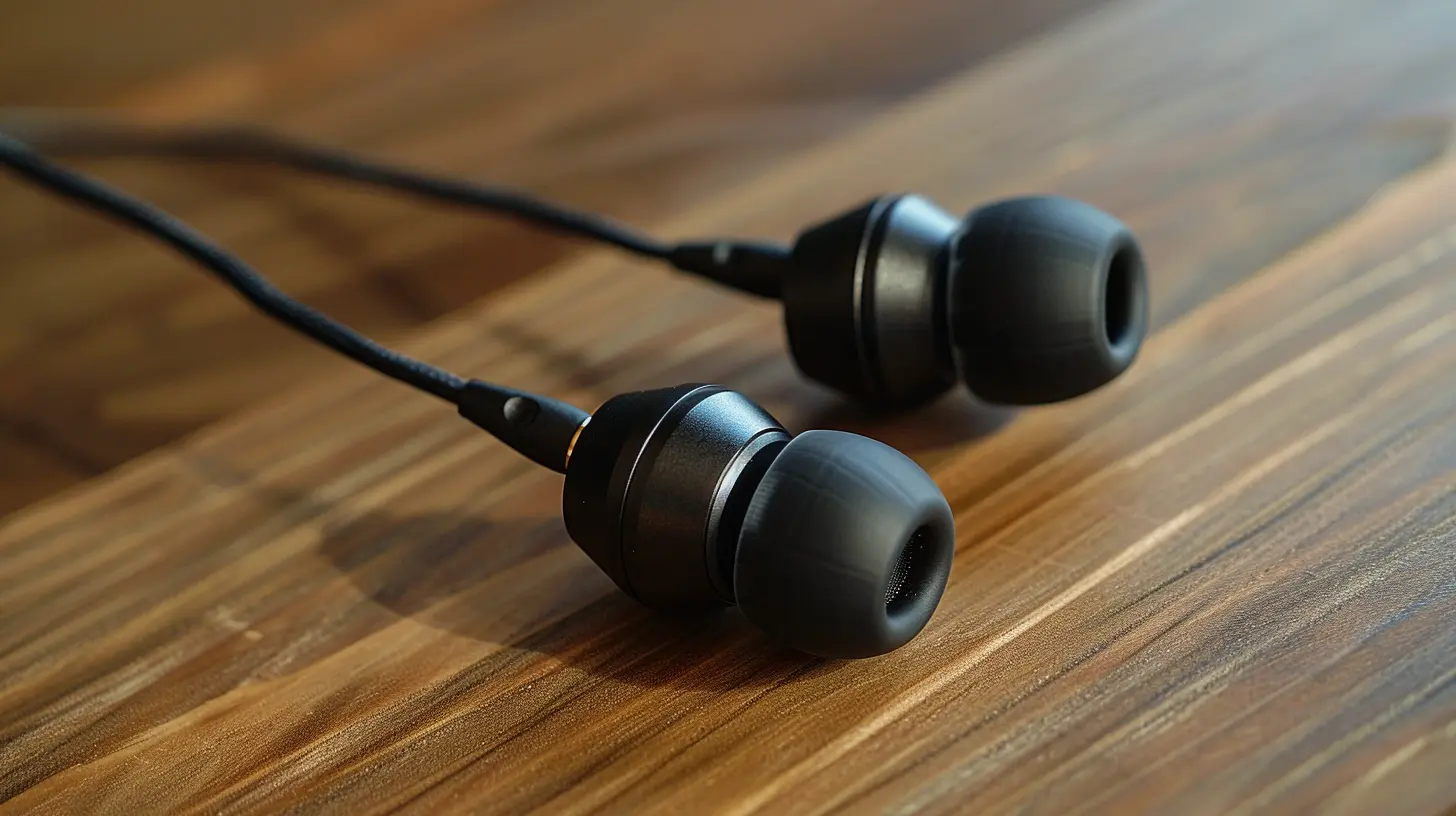
Understanding the Basics
Before we compare, let’s talk basics so we’re on the same page.What Are Over-Ear Headphones?
Over-ear headphones, also known as circumaural headphones, are the big, cushy ones that fully cover your ears. You’ve probably seen DJs rocking them in music videos or gamers flexing with them on Twitch.They usually come in two types:
- Open-back: More natural sound but leaks audio.
- Closed-back: Isolated experience, great for private listening.
What Are In-Ear Headphones?
In-ear headphones, AKA earbuds or IEMs (in-ear monitors), fit directly inside the ear canal. Think of the ones that come with your smartphone (though the premium versions are lightyears ahead).They’re lightweight, portable, and often come with various ear tip sizes for the perfect fit.
Let's Talk Comfort: What Feels Better?
Comfort isn’t just about how it feels for five minutes. It's about how it feels after that three-hour Zoom call or ten-hour Spotify binge.Over-Ear Comfort
Over-ear headphones are like the cozy hoodies of the headphone world. The ear cups rest around your ears, not on them, which means less pressure. Plus, those cushy pads feel like tiny sofa cushions for your face.But – and there's always a "but" – that comfort depends on build quality. Cheap over-ears with tight headbands or poor padding? They’ll squeeze your head like you're a human stress ball. Also, they can get a bit sweaty if worn for long hours, especially in warmer weather.
In-Ear Comfort
In-ears are the featherweights. They’re super compact and barely noticeable once you’ve got the right fit. But be warned: if the tips don’t match your ear shape, you’re in for discomfort, constant re-adjusting, or worse – ear fatigue.Some models use memory foam tips that mold to your canal (yes, that’s as cool and weirdly medical as it sounds). The takeaway? In-ears are great for on-the-move listening but can be hit-or-miss comfort-wise.
✅ Winner for Long Listening Sessions: Over-Ear Headphones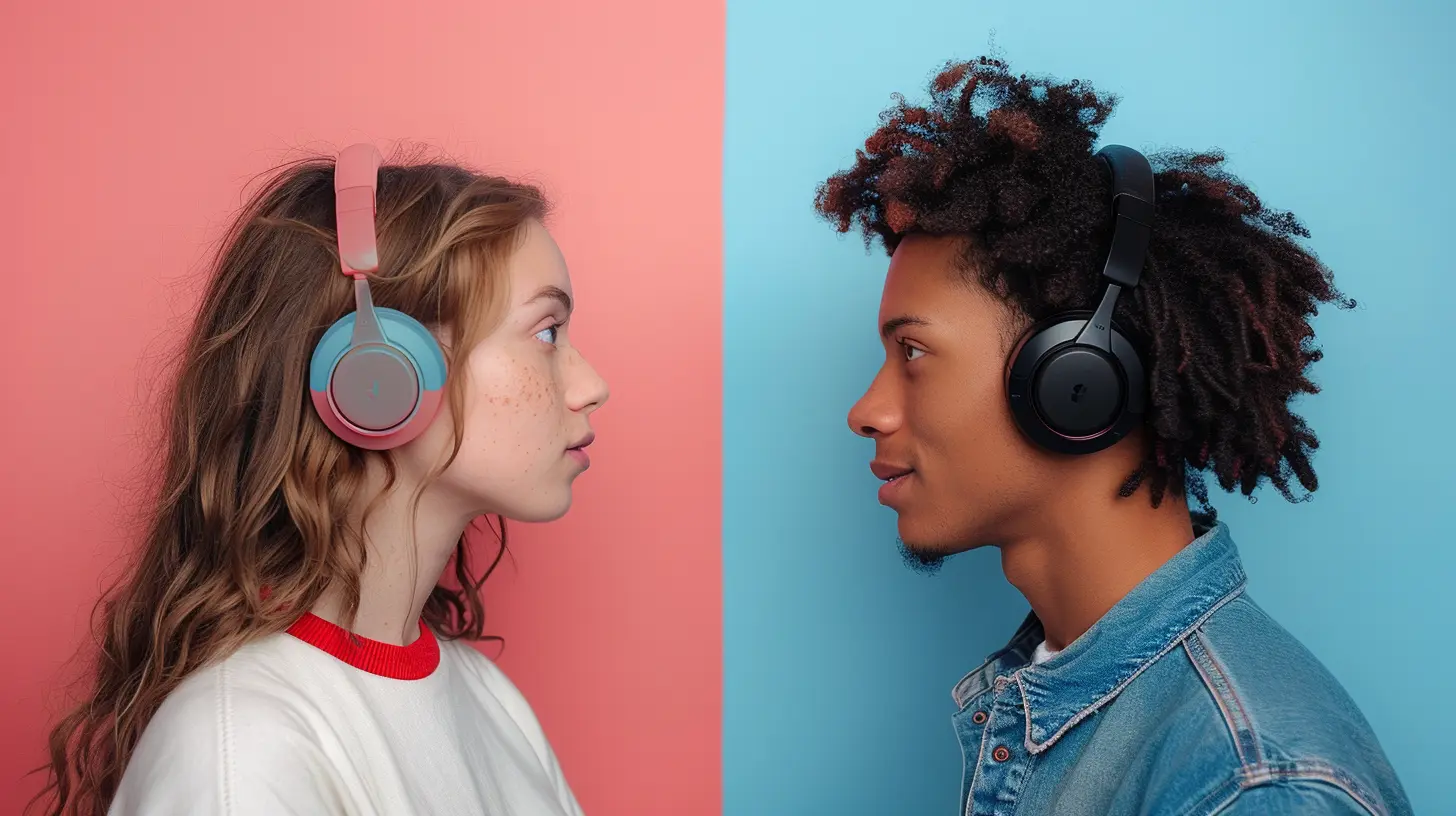
Sound Quality: The Real Eargasm
Time to get nerdy (but in a fun way). Sound quality is king, especially if you're an audiophile or someone who just wants their music to sound "right."Over-Ear Sound
Over-ears generally offer superior sound quality. Why? Size matters. Bigger drivers (those disc-like components that produce sound) mean richer bass, wider soundstage, and greater detail.You can literally feel the depth – whether it’s a symphony swelling or bass drops in EDM that rumble your soul.
Plus, closed-back versions isolate sound better, while open-back versions offer a more natural “live concert” feel. Granted, open-backs leak sound, so not ideal for office cubicles or libraries.
In-Ear Sound
In-ears have come a long way. Don’t sleep on them. High-end IEMs can deliver sound that rivals over-ear models. Plus, they often seal the ear canal incredibly well, enhancing bass and blocking external noise.However, due to their tiny size, they can’t always match the spatial audio or dynamic range that over-ears provide. Still, for casual listeners? These things slap.
✅ Winner for Audiophiles: Over-Ear Headphones
✅ Winner for Everyday Commutes: In-Ear Headphones
Portability and Convenience
Let’s be honest – no matter how good something sounds, if it’s a pain to carry around, you're going to leave it at home.Over-Ear Portability
These are not pocket-friendly. Sure, some fold up into cases, but you’re still lugging around a chunky gadget. For travelers or commuters with backpacks, it’s manageable. But for minimalist pockets-only folks? Not so much.Also, some public spaces (like gyms) just aren't made for over-ears. They’re big. They get sweaty. They fall off when you’re doing burpees. No thanks.
In-Ear Portability
This is where in-ears shine. Toss them in your pocket or slip them in a charging case – boom, you're ready to rock.AirPods, Galaxy Buds, Beats Fit Pro – they’ve made mobility seamless. Plus, you can wear one or both for those half-in, half-out-of-the-world moments.
✅ Winner for Portability: In-Ear Headphones
Noise Cancellation: Who Does It Better?
Whether you're dodging subway noise or trying not to lose your mind because your neighbor is vacuuming for the third time today, noise cancellation is a game-changer.Over-Ear ANC (Active Noise Cancellation)
These bad boys reign supreme here. Bigger headphones mean more space for microphones and ANC tech to block noise. Models like the Sony WH-1000XM5 or Bose 700 make the world disappear with a button press.The combination of passive isolation (those closed ear cups) and active cancellation is like walking into an audio vacuum.
In-Ear ANC
ANC in in-ear headphones has improved dramatically (looking at you, AirPods Pro). The ear seal already blocks out a ton of ambient noise, and ANC adds that extra hush.But remember, because of their size, the ANC isn’t quite as powerful as over-ears. You’ll still hear some background chatter or plane engine hum.
✅ Winner for Total Silence: Over-Ear Headphones
Battery Life: Don’t You Hate Mid-Jam Dead Zones?
Nothing kills your vibe faster than headphones dying mid-playlist. So, let’s talk juice.Over-Ear Battery Life
Due to their larger size, over-ears can pack in bigger batteries. Wireless over-ear headphones often offer 20-40+ hours of playback on a single charge. Some even support fast charging – a 10-minute charge could net you a few hours.In-Ear Battery Life
Compact size = smaller battery. Most wireless earbuds offer between 4-8 hours of continuous playtime, with charging cases delivering another 20-30 hours.So while total battery life is respectable, you'll need to pop them into their cases more often.
✅ Winner for Marathon Listening: Over-Ear Headphones
Fit and Stability: Are They Staying Put?
Imagine jogging with headphones that keep slipping off. Not fun, right?Over-Ear Stability
Over-ears usually stay in place, but they’re not made for workouts. Jumping jacks or treadmill runs will shift them. Additionally, wearing glasses can mess with the fit, especially if the frame and headband are fighting for space.In-Ear Stability
Designed with activity in mind, many in-ears offer silicone wings or memory tips that lock into place. They’re the go-to for runners, gym-goers, and anyone who lives life in motion.✅ Winner for Active Use: In-Ear Headphones
Pricing: What's the Damage?
Over-Ear Costs
Generally, over-ears are more expensive. With more components and premium materials, they range from $100 to $500+, especially with ANC and wireless features. But with price comes quality.In-Ear Costs
You can grab decent in-ears for under $50. Of course, high-end IEMs can also hit the hundreds. But overall, in-ears are friendlier on your wallet for basic needs.✅ Winner for Budget Buyers: In-Ear Headphones
Versatility: One Pair to Rule Them All?
It’s tough to crown a single set as the “all-in-one,” but let’s try.Over-Ears Shine When:
- You want immersive sound at home or in the office- Long battery life is crucial
- Comfortable wear is a top priority
- You’re not moving around much
In-Ears Win When:
- You’re on the go all day- You love light, discreet gear
- Working out is part of your daily routine
- Portability and convenience are key
Final Thoughts: So Which Should You Choose?
Here’s the deal – neither type is “better” in a one-size-fits-all way. It really boils down to how you plan to use them.? If you want theater-level sound, plush comfort, and killer ANC? Go with over-ear headphones.
? If you're always on the move, want something sleek and low-profile, and love easy portability? In-ear headphones are your best bet.
Honestly, many audio lovers end up owning both – over-ear for those at-home or work sessions, and in-ear for workouts, travel, and everything in between.
So trust your ears, think about your lifestyle, and pick the one that fits you best. Or better yet, start with one and grow your collection over time – just like any true headphone nerd would.
all images in this post were generated using AI tools
Category:
HeadphonesAuthor:

John Peterson
Discussion
rate this article
2 comments
Holden Kim
Choosing between over-ear and in-ear headphones is like deciding between a cozy couch and a pocket-sized burrito. One wraps you in sound, the other sneaks music right into your ears. Tough call!
June 25, 2026 at 4:34 AM
John Peterson
That's a great analogy! Both have their perks, depending on whether you want comfort or portability.
Tempra Willis
Choosing the right headphones can feel overwhelming. Consider your lifestyle and listening habits; comfort and sound quality matter. Trust your instincts to find what truly enhances your experience and brings you joy... you deserve that.
May 20, 2026 at 2:29 AM
John Peterson
Absolutely, it's all about finding what fits your needs and preferences. Trust yourself to choose the headphones that make your listening experience enjoyable.