Testing the Hype: Are Foldable Phones Finally Durable Enough?
14 October 2026
Foldable phones have spent years stuck in an awkward phase. They were the cool concept car of the smartphone world: impressive to look at, expensive to own, and slightly terrifying to actually use. Early models creased, scratched, and in some memorable cases, died after a single grain of dust wandered into the hinge. Buying one felt less like a purchase and more like volunteering for a public beta test.
That was then. The question now is whether the category has grown up. Have foldables finally become durable enough to survive real life, or are they still fragile status symbols that demand kid gloves? The honest answer sits somewhere in the middle, and it depends heavily on which type of foldable you mean, how you treat it, and what you consider "durable" in the first place.
Let's dig into the engineering, the trade-offs, and the practical stuff nobody tells you before you drop flagship money on a phone that bends.
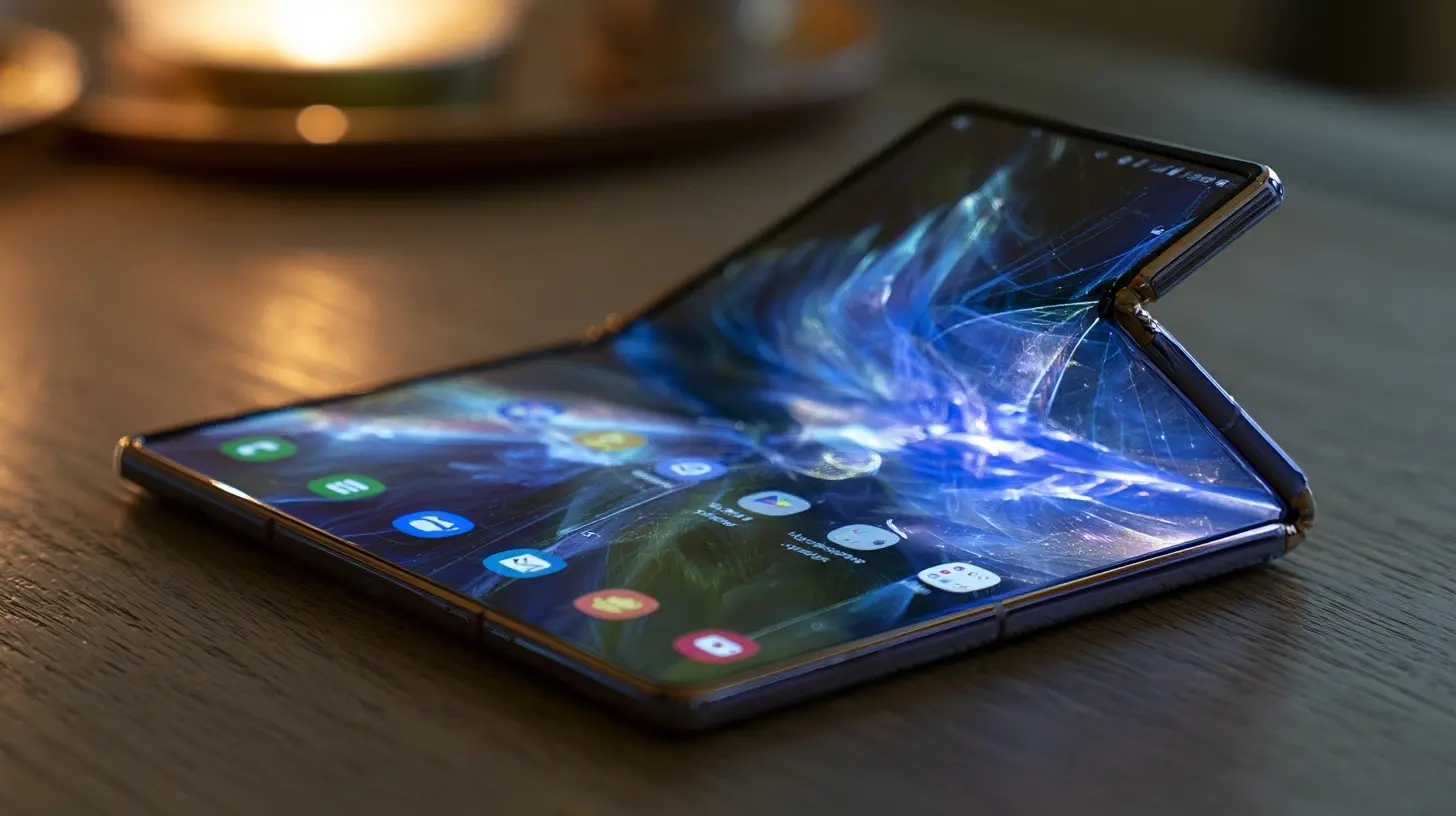
Why Foldables Were Fragile in the First Place
To judge durability fairly, you need to understand why these devices are harder to build than a normal phone. A regular smartphone is essentially a sealed slab. A foldable is a sealed slab that has to fold thousands of times, which introduces three chronic weak points.The Hinge Is a Mechanical Marvel and a Liability
Every foldable has a hinge, and every hinge is a moving part. Moving parts wear out. They also create gaps, and gaps invite dust. Early hinges were the Achilles heel of the whole category. Particles could work their way in, jam the mechanism, and in some cases puncture the display from underneath. That last failure mode is brutal because it looks like the screen just randomly died. In reality, debris was quietly grinding away inside the hinge.The Display Is Soft by Necessity
A foldable screen is not glass in the traditional sense. The outer layer on most folding panels is a thin polymer, often described as ultra thin glass with a plastic cover on top. It is flexible, which means it is also softer than the Gorilla Glass on a normal phone. Your fingernail can leave a permanent mark. A key in your pocket can gouge it. That is not a manufacturing defect. It is physics.The Crease Is Inevitable, but It Is Not the Enemy
People obsess over the crease. In reality, the crease is cosmetic and largely harmless. The bigger durability concern is the material fatigue at the fold line over years of opening and closing. Manufacturers rate hinges for a certain number of folds, often in the hundreds of thousands. In practice, most people will never hit that number before upgrading. The real-world risk is not reaching the fold limit. It is accidental damage along the way.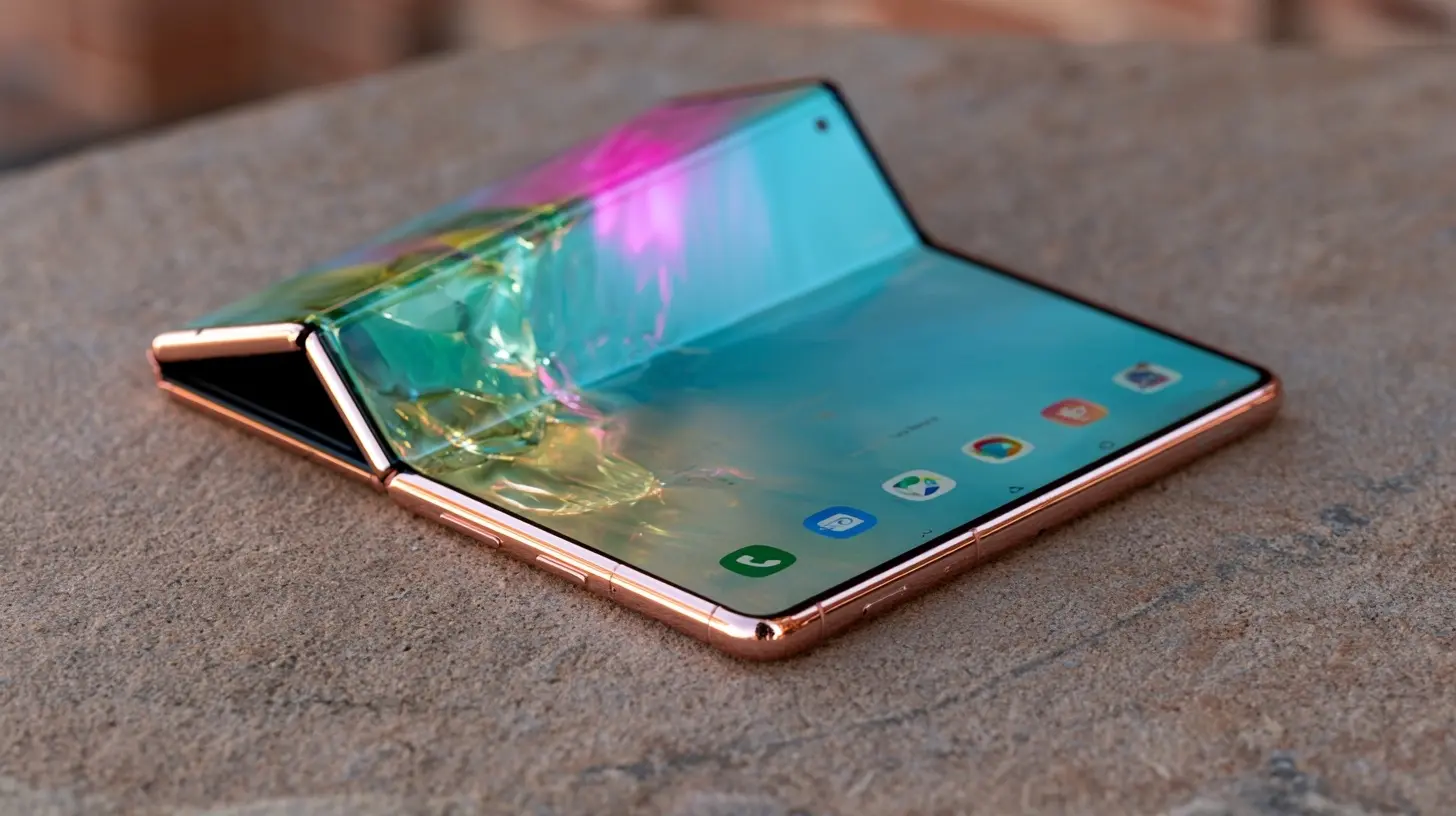
The Current State of Foldable Durability
Here is where things get more encouraging. The latest generation of foldables, across multiple brands, has made genuine progress. This is not marketing spin. There are concrete reasons for the improvement.Water Resistance Finally Arrived
For years, foldables had no official water resistance rating, which was embarrassing for premium devices. That changed when major manufacturers achieved IPX8 ratings on their book-style foldables. IPX8 means the phone can survive being submerged in fresh water under specified conditions. This matters because rain, spills, and sink mishaps are common. If a device cannot handle a downpour, it is not durable in any meaningful sense.One caveat: IPX8 does not mean dust proof. That distinction trips up a lot of buyers. Water resistance and dust resistance are separate ratings, and foldables have historically struggled with the latter because of the hinge gap.
Dust Resistance Is Improving Slowly
Dust protection has been the harder problem. Some newer foldables have earned IP4X or higher dust ratings, which protects against solid objects larger than 1 millimeter. That is progress, but it is not the same as the IP6X dust sealing you get on a standard flagship slab phone. If you work in a dusty environment, live near a beach, or routinely shove your phone into a pocket full of sand, this remains a genuine concern.Hinge Longevity Has Quietly Improved
Hinge designs have evolved. Fewer exposed gaps, better internal brushes to sweep away particles, and more robust folding mechanisms have all contributed. Manufacturers now commonly advertise fold ratings in the range of 200,000 to 400,000 cycles. If you open and close your phone 100 times a day, which is aggressive, 200,000 folds works out to roughly five and a half years. That is longer than most people keep a phone.That said, fold ratings are tested under controlled lab conditions. Real life includes temperature swings, pocket lint, and the occasional drop. Treat the number as a ceiling, not a guarantee.
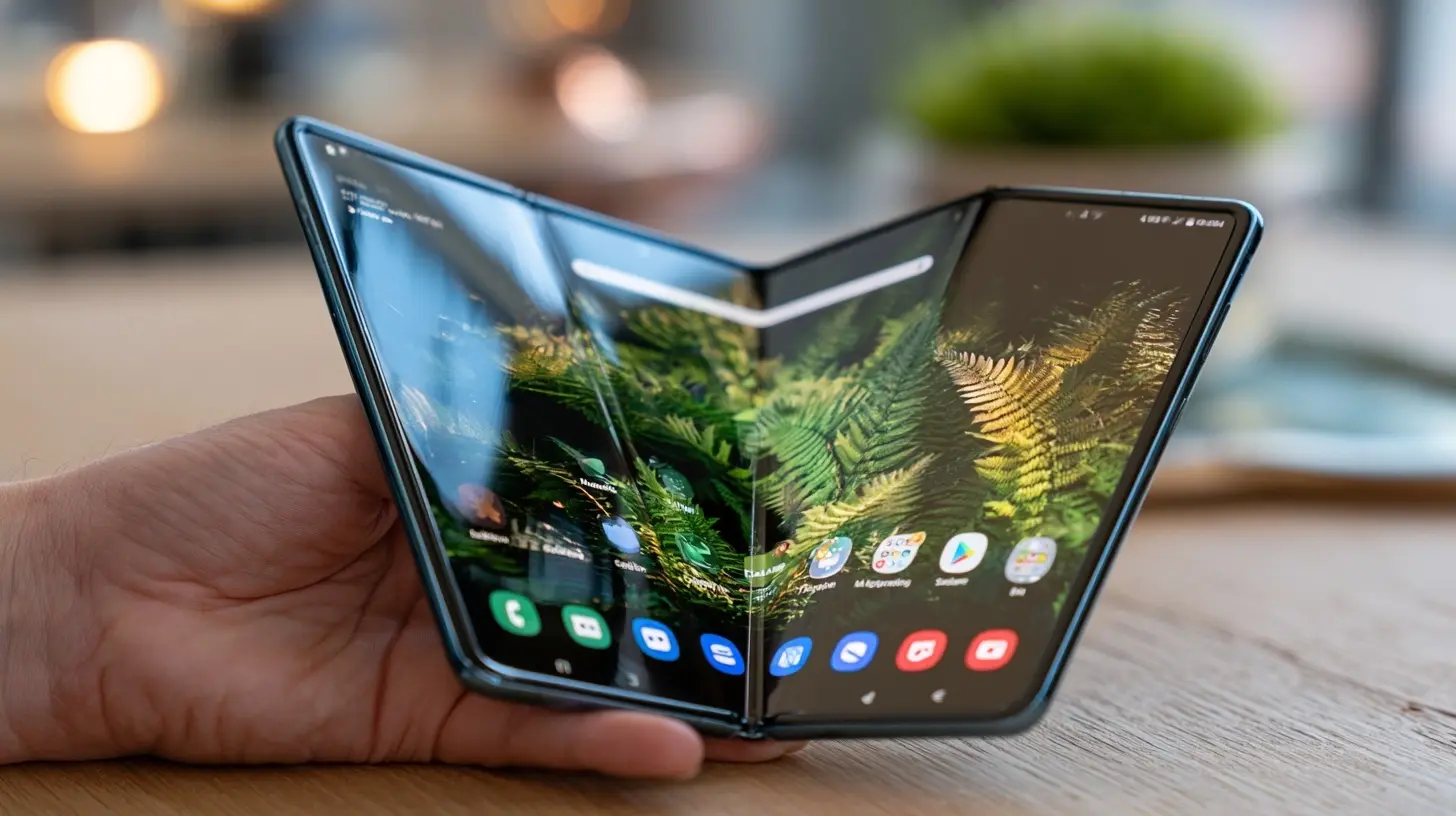
Book Style vs Flip Style: Durability Is Not the Same
This is one of the most misunderstood points in the entire category. People say "foldables" as if they are one product. They are not, and their durability profiles differ significantly.Book Style Foldables
These open like a book into a tablet sized screen. They have a large inner display that folds, plus an outer cover screen. The inner screen is the fragile part. It is soft, it creases, and it is the component most likely to fail. The cover screen is usually more conventional and tougher.Book style foldables are also heavier and thicker than normal phones, which affects how they handle drops. More mass means more force on impact.
Flip Style Foldables
These fold down like a classic flip phone. The main display folds in half, but the phone becomes compact when closed. The advantage here is pocketability and, arguably, protection. When closed, the screen is tucked away inside, which shields it from keys, coins, and direct impacts.The trade-off is that the fold line sits right across the middle of the display you use constantly, and the hinge is smaller and more compact. Flip phones also tend to have smaller batteries, which is a usability issue rather than a durability one.
If your top priority is protecting the screen, a flip style foldable has a structural advantage. If you want maximum screen real estate, you accept a softer, larger panel that needs more care.
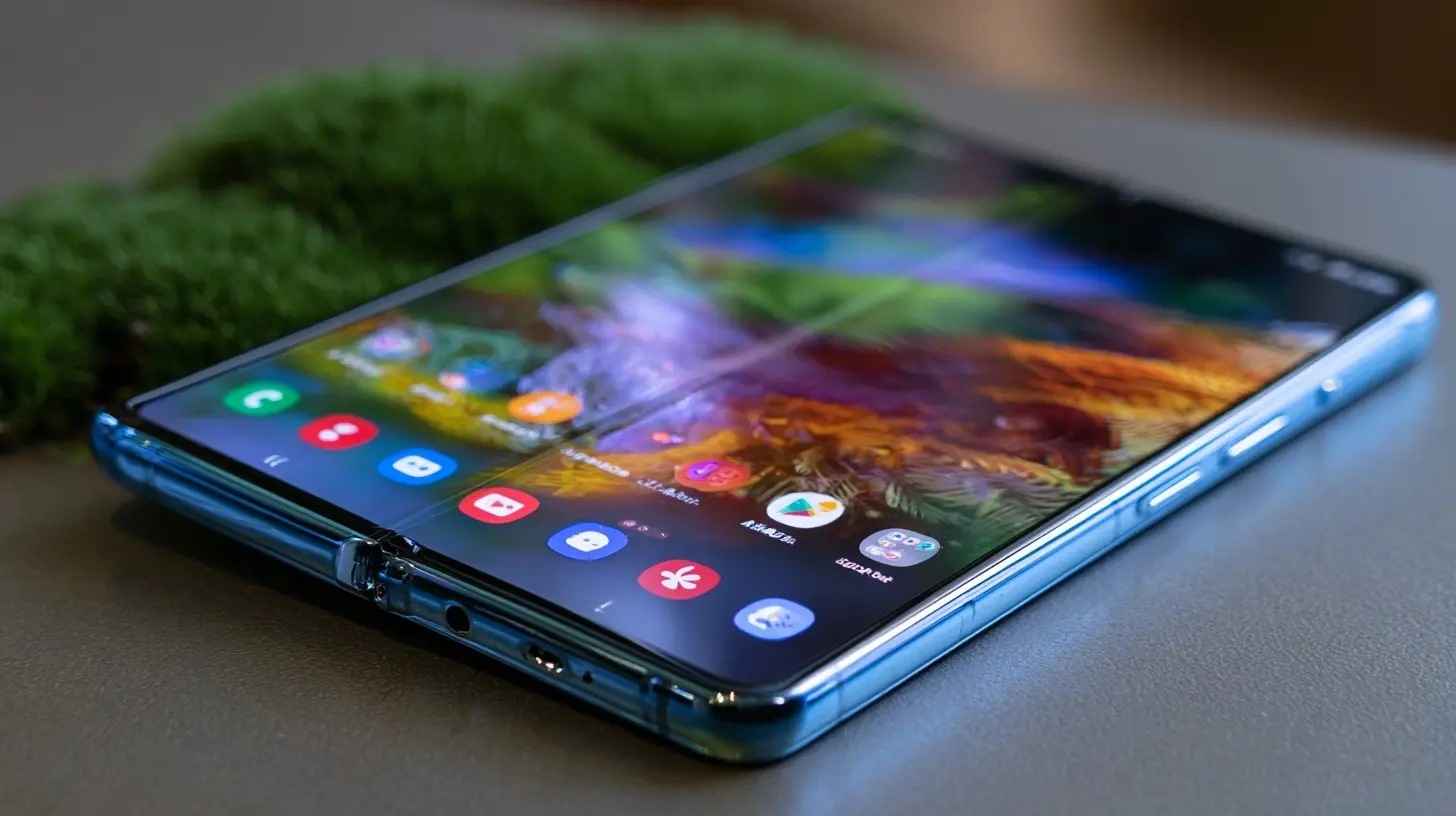
The Real World Tests That Actually Matter
Lab ratings are useful, but they do not capture how people actually break phones. Let's walk through the scenarios that determine whether a foldable survives your life.Drops
Drops are the number one killer of all phones. Foldables are not dramatically worse here than slab phones, but the consequences can be more expensive. A cracked outer screen on a foldable might be repairable at moderate cost. A damaged inner display often requires replacing the entire folding panel assembly, which can cost a large fraction of the phone's original price.The practical takeaway: a good case is not optional. It is essential. Cases for foldables are bulkier and more expensive than normal cases, and hinge protection covers add even more bulk. That is the tax you pay for owning a device with a moving part.
Dust and Pocket Lint
This is the sneaky one. You will not notice dust damage immediately. It accumulates. Over months, particles can migrate into the hinge and, in unlucky cases, work their way under the display. Symptoms include strange marks along the fold, a hinge that feels gritty, or a screen that stops responding in a specific area.If you carry your phone in a pocket with loose debris, use it at the beach, or work in construction or agriculture, a foldable is a risky choice. If your pockets are reasonably clean and you use a case, the risk drops considerably.
Cold Weather
Cold temperatures make materials more brittle. Folding a phone in freezing conditions puts extra stress on the display and hinge. Some manufacturers explicitly warn against folding their devices in very low temperatures. If you live somewhere with brutal winters, this is a real consideration. A slab phone does not care about the cold. A foldable might.Fingernails and Styluses
Your fingernail is harder than the display's outer layer. Pressing hard near the crease can leave permanent dents. This is why manufacturers often include warnings about nail pressure. If you have long nails or a habit of pressing firmly, you need to adjust how you interact with the screen.Stylus support exists on some foldables, but only with specific styluses designed with softer tips. Using the wrong stylus is a fast track to a scratched display.
Common Mistakes That Shorten a Foldable's Life
Most foldable failures are not random. They follow patterns. Avoid these and your odds improve dramatically.Closing the Phone With Debris on the Screen
This is the single most damaging habit. If there is grit, sand, or even a small crumb on the inner display and you fold the phone shut, you are pressing that particle into a soft surface with the force of the hinge. That is how you get a dead pixel cluster or a punctured panel.Get in the habit of glancing at the screen before you close it. It takes half a second and saves you a repair bill.
Using the Wrong Case or No Case
Some people buy a foldable and immediately slap on a cheap case that does not fit the hinge properly. A poorly designed case can actually interfere with folding or trap debris. Others go caseless because they want to show off the design. That is a gamble, and the odds are not in your favor.Buy a case designed specifically for your model. Hinge protection is worth the extra bulk.
Ignoring the Manufacturer's Care Instructions
Every foldable ships with guidance about temperature, pressure, and cleaning. Most people toss the paperwork. Do not. Those instructions exist because the engineering has limits. Knowing them helps you stay inside those limits.Assuming Water Resistance Means Fully Sealed
IPX8 is great, but it does not mean the phone is invincible. Salt water, chlorinated pools, and soap can still cause problems. Water resistance ratings are tested in fresh water under specific conditions. Do not push your luck.
Repairability: The Quiet Deal Breaker
Here is a factor that rarely makes the marketing materials but matters enormously: what happens when something breaks?Foldable repairs are expensive. Inner screen replacements are among the priciest repairs in the smartphone world. Hinge repairs are labor intensive. Parts availability varies by brand and region.
Before buying, check a few things:
- Does the manufacturer offer a care plan or extended warranty that covers accidental damage?
- What is the out of warranty cost for an inner screen replacement?
- Are there authorized repair centers near you, or will you be mailing your phone away for weeks?
- How long does the manufacturer promise to supply parts?
If the answers are vague or discouraging, factor that into your decision. A durable phone you cannot repair is not durable in practice.
Are They Durable Enough Yet? A Balanced Verdict
Here is the honest assessment, broken down by user type.For Careful, Urban Users: Yes, Mostly
If you live in a city, work in an office or at home, keep your phone in a clean pocket or bag, and use a proper case, a modern foldable is reasonably durable. The technology has matured. Water resistance, better hinges, and improved materials mean the latest generation is a different animal from the first.For Outdoor, Rugged, or Clumsy Users: Not Really
If you work outdoors, spend time at the beach, drop your phone regularly, or just cannot be bothered with careful handling, a foldable is still a risky purchase. The soft inner display and hinge gap remain genuine vulnerabilities. A rugged slab phone will serve you better and cost less to replace.For Everyone in Between: It Depends on the Trade-Off You Accept
This is where most people land. A foldable offers something no slab phone can: a large screen that fits in your pocket, or a compact phone that unfolds into something usable. That is a real benefit. The price is that you must treat the device with more care than you would a normal phone.Is that trade worth it? If the large screen genuinely improves how you work or consume content, yes. If you are buying it purely for the novelty, probably not. Novelty fades. Repair bills do not.
Practical Advice Before You Buy
A short checklist to run through before committing.- Check the IP rating carefully. Water resistance is good. Dust resistance is better. Both together is ideal, and rare.
- Budget for a quality case. Add it to the purchase price in your head. It is not optional.
- Read the care instructions. Temperature limits, cleaning guidance, and pressure warnings are real.
- Look into insurance or a care plan. Given repair costs, this is often worth it.
- Consider your environment. Dust, sand, cold, and rough handling are the enemies.
- Think about how long you keep phones. If you upgrade every year, fold ratings are irrelevant. If you keep phones for four or five years, they matter more.
- Try before you buy. Go to a store and fold the display. Feel the crease. Check the hinge. Some people find the crease distracting. Others stop noticing within a day.
The Bottom Line
Foldable phones have come a long way. The days of devices that died from a single speck of dust are largely behind us, at least for the better engineered models. Water resistance, improved hinges, and tougher materials have made the category genuinely viable for a large chunk of users.But "durable enough" is not the same as "as durable as a normal phone." The soft inner display, the hinge gap, and the high repair costs mean foldables still demand more care. They reward careful owners and punish careless ones.
So test the hype honestly. If your lifestyle fits a foldable, the current generation can absolutely keep up. If your lifestyle involves sand, snow, and gravity, maybe wait another generation or two. The technology is improving fast, and the phones are finally starting to earn their price tags. Just do not expect them to survive everything a slab phone would. They are tough, but they are not indestructible, and they never will be. That is the nature of a device that folds.
all images in this post were generated using AI tools
Category:
Tech ReviewsAuthor:

John Peterson