The Evolution of Robotic Process Automation in Retail
8 February 2026
If you’ve ever wondered how your favorite retail store processes orders within seconds, restocks shelves almost magically, or sends you promotional emails just when you’re thinking about buying something—you’re not alone. There's a behind-the-scenes superhero quietly working 24/7: Robotic Process Automation, or RPA for short.
But what exactly is RPA doing in retail? And how did we get from manually entering sales data to software bots handling thousands of transactions in a blink? Buckle up, because we’re diving deep into the incredible evolution of RPA in the retail world—and trust me, it’s more exciting than it sounds.
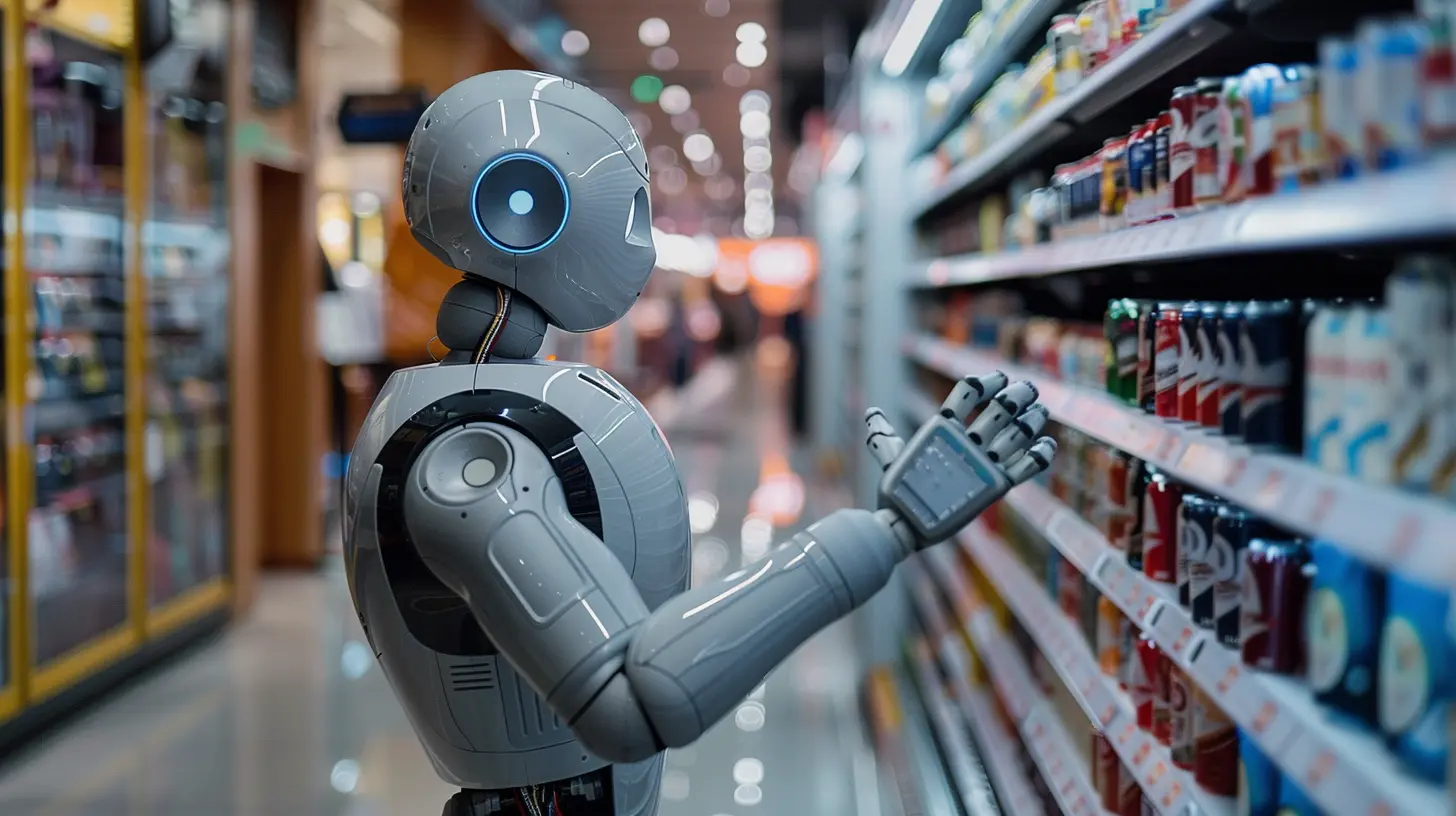
What is Robotic Process Automation (RPA) Anyway?
Imagine you have a super-fast, mistake-proof assistant who never sleeps, never complains, and runs repetitive tasks better than most humans. That’s exactly what RPA is—it’s software that mimics human actions to carry out rule-based tasks. These can range from entering data into spreadsheets to managing customer queries and updating inventory.In the retail world, where every second counts and customer satisfaction is king, RPA is like the backstage crew of a Broadway show—essential but often unnoticed. It powers the smooth flow of operations without needing the spotlight.
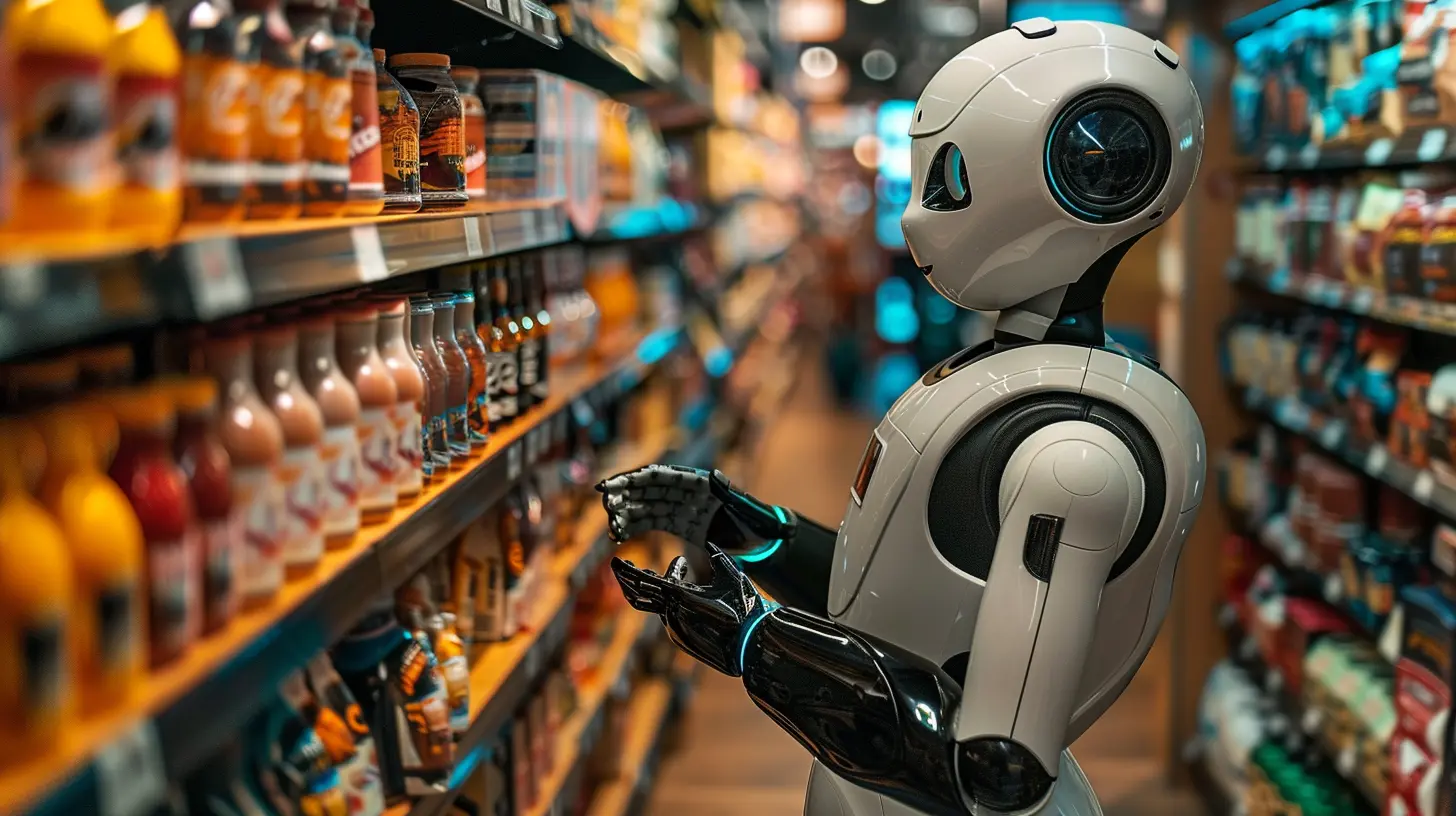
A Throwback: Pre-RPA Era in Retail
Let’s rewind the clock. Before RPA, retail was heavily manual. Think back-office employees slogging through spreadsheets, manually updating stock levels, processing invoices, or handling returns. Not only was this time-consuming, but errors were common. One mistyped number could lead to stockouts or over-ordering.Customer service? That involved long wait times, transferred calls, and overworked agents handling hundreds of repetitive inquiries.
Speed wasn’t exactly retail’s strong suit back then.
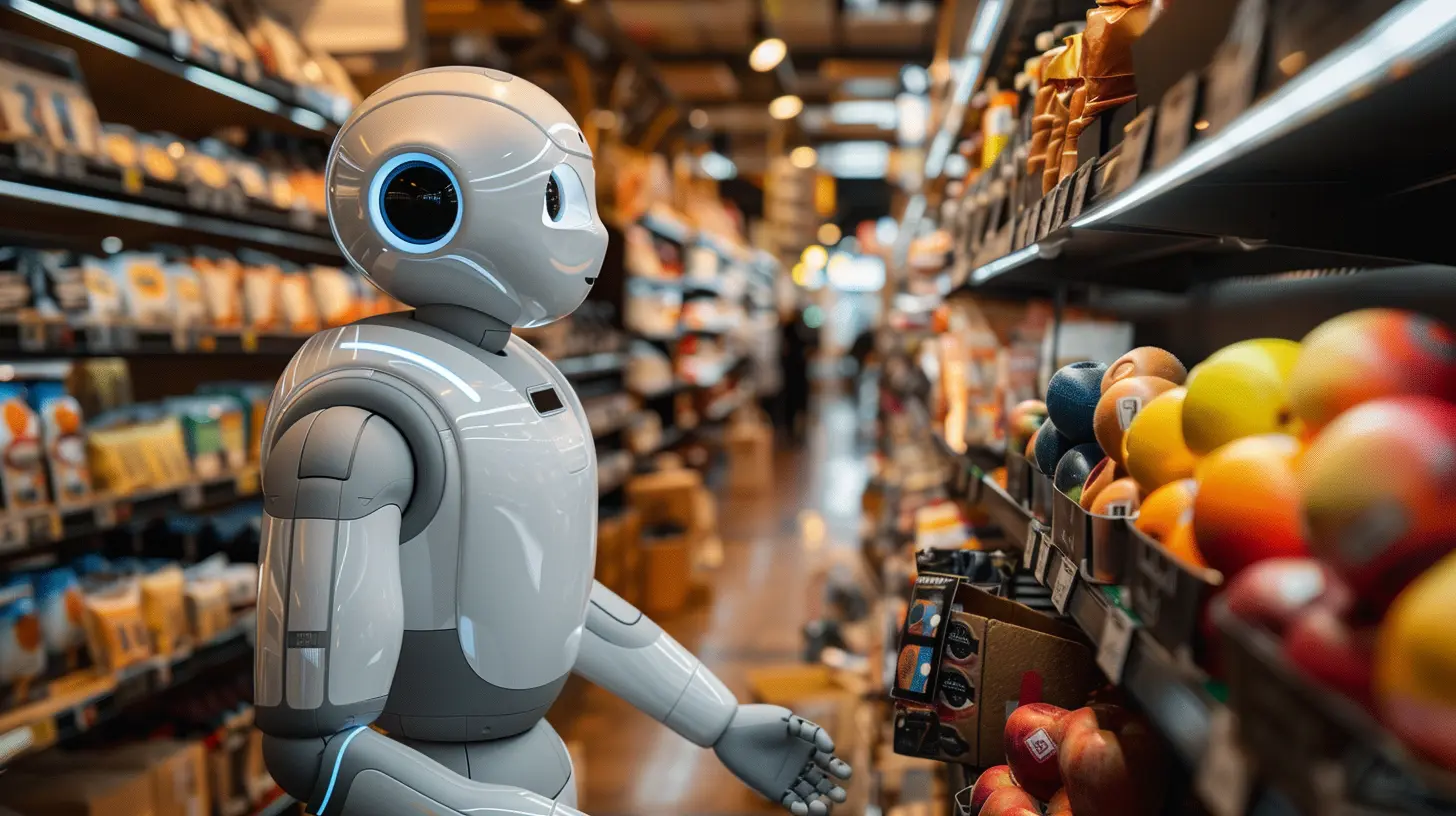
RPA Enters the Scene
RPA started making waves in banking and finance first. But it wasn’t long before retail saw the glittering potential. By the late 2010s, as online shopping boomed and customer expectations soared, retailers realized something: they needed to be faster, smarter, and more efficient.RPA came in like a knight in digital armor.
It began with automating simple tasks—order processing, inventory updates, and invoice generation. The results were immediate: less room for error, quicker turnaround times, and employees freed up to focus on more strategic work.
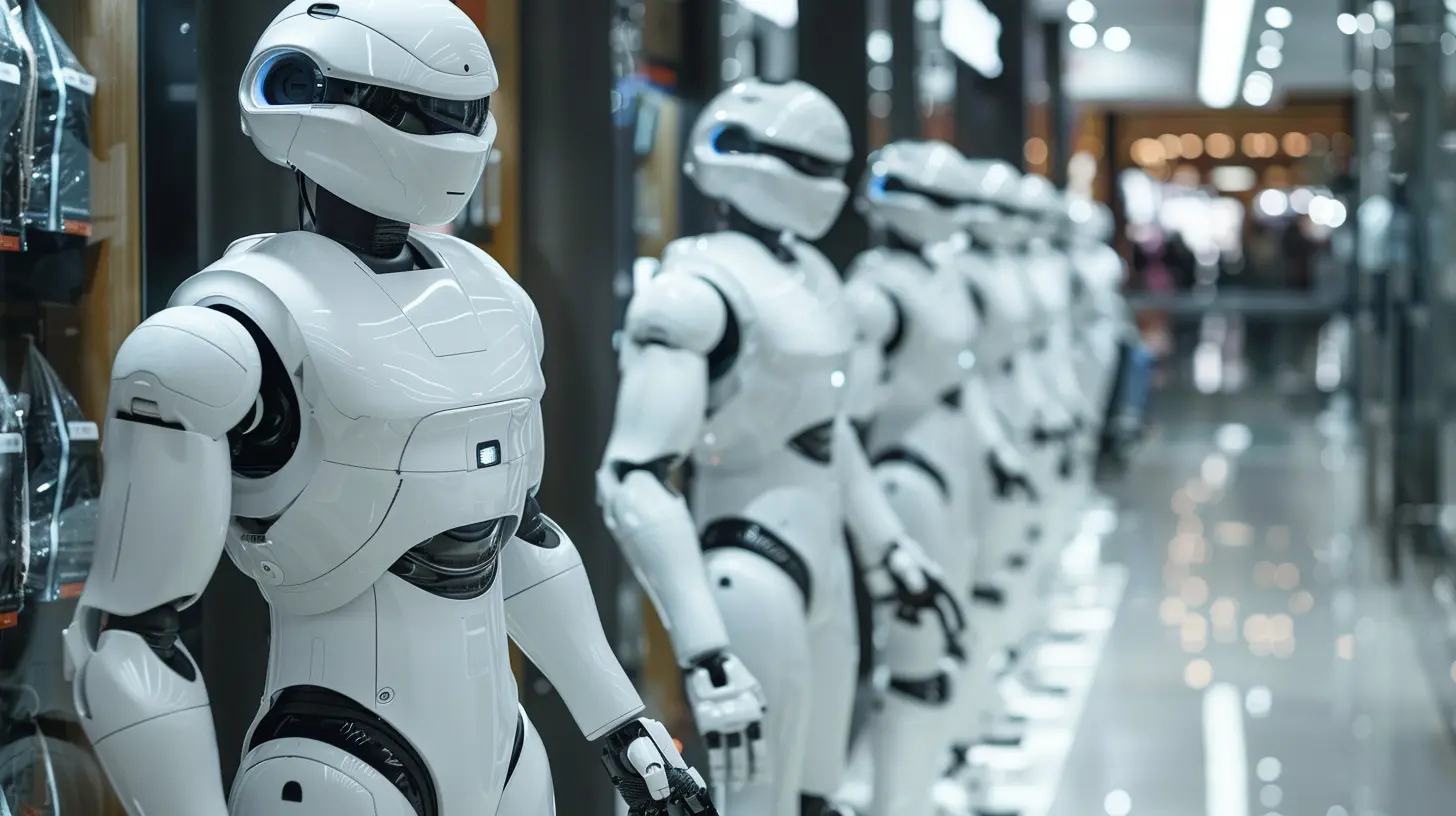
RPA’s Growing Role in Retail Operations
Fast forward to today, and RPA is doing way more than just the basics. It’s practically the digital backbone of modern retail operations. Let’s break it down by category:1. Inventory and Supply Chain Management
If there’s one thing retailers dread, it’s inventory issues. Running out of stock or overstocking can be a logistical and financial nightmare. RPA helps by monitoring inventory in real-time, automatically placing orders when stock runs low, and forecasting future demand.It’s like having a crystal ball for your inventory—and it never cracks under pressure.
2. Order Processing
Remember those days when online orders used to take a week to ship? Now, it’s often same-day or next-day, thanks to RPA bots that instantly process orders, verify payment, check inventory, and initiate shipping—all within seconds.From click to doorstep, RPA ensures every step is seamless.
3. Returns and Refunds
Returns are growing with the rise of online shopping. RPA speeds up and simplifies the process by automating return labels, restocking updates, and refund transactions. It turns what used to be a headache into a smooth experience—for both the customer and the retailer.4. Customer Support
Chatbots and automated email responses, powered by RPA and AI, now handle a bulk of customer queries. Whether it’s “Where’s my order?” or “How do I return this item?”, bots often solve the problem in seconds. And if they can’t, they hand it over to a human with all the context—saving time and frustration.5. Marketing and Personalized Promotions
Ever get a promo code right after you visited a website? Or an email with suggestions that feel eerily spot-on? That’s RPA, paired with data and AI, tailoring marketing messages based on your behavior and preferences. It’s personalization at scale.6. HR and Payroll Management
Even behind the scenes, RPA is making life easier. From onboarding new staff to processing payroll and handling compliance, bots are helping HR teams in retail stay lean and efficient—especially during high-volume seasons like the holidays.The Role of Artificial Intelligence in RPA Evolution
Let’s be honest—RPA alone was amazing, but pair it with Artificial Intelligence (AI) and you’ve got a real game-changer.This combo, often called Intelligent Automation, takes things a step further. While RPA handles rule-based tasks, AI brings in cognitive abilities like language understanding, image recognition, and decision-making. Together, they’re transforming retail into a futuristic playground of possibilities.
For example:
- Chatbots that understand emotions and context.
- Visual inspection bots that check product quality.
- Demand forecasting tools that adapt to trends and events.
It’s not just automation anymore—it’s smart automation.
Benefits of RPA in Retail (Why It’s a Big Deal)
So, what’s the big fuss all about? Let’s count the ways RPA is revolutionizing retail:- Speed: Tasks that took hours now take minutes—or less.
- Accuracy: Say goodbye to human error.
- Savings: Less manual work means lower labor costs.
- Scalability: Need to process 10,000 orders instead of 1,000? No problem.
- Customer Satisfaction: Faster service equals happier customers.
- Employee Morale: Teams get to focus on meaningful work—not boring data entry.
In short, RPA is retail’s secret sauce for staying competitive in a cutthroat market.
Challenges & Things to Watch Out For
Now, let’s not paint RPA as a magical unicorn. Like any tool, it has its challenges.- Initial Setup Costs: Implementing RPA isn’t cheap.
- Change Management: Employees may fear losing their jobs (which makes communication and upskilling super important).
- Bot Maintenance: RPA bots need updates when systems or processes change.
- Data Security: With automation handling sensitive data, cybersecurity becomes crucial.
So yes, while RPA is a powerful ally, it needs proper planning, oversight, and care.
The Human Touch: Why It Still Matters
Here’s something we often overlook in tech discussions: people.RPA isn’t about replacing humans—it’s about empowering them. When a bot handles invoice processing, a human can work on vendor relationships. When chatbots take level-1 queries, support teams can focus on complex issues that actually need empathy and judgment.
Think of RPA as your digital teammate—not your replacement.
What’s Next? The Future of RPA in Retail
We’ve come a long way, but we’re just getting started.Here’s what the future could hold:
- Hyperautomation: Combining RPA, AI, and machine learning into one mega-force.
- Voice-Activated Shopping Assistants: Think Alexa meets your in-store POS.
- Predictive Supply Chains: Bots that forecast and act before problems even occur.
- Fully Automated Stores: Like Amazon Go—no checkout lines, no cashiers, just sensors, cameras, and bots.
The lines between physical and digital retail are already blurring, and RPA is a huge part of why.
Final Thoughts
The evolution of Robotic Process Automation in retail isn’t just a tale of technology—it’s a story about transformation.It’s about how the little things—like automating purchase orders or answering a customer’s question faster—stack up to create a retail experience that feels effortless. Behind every smooth return, every timely delivery, and every personalized offer is a silent, digital worker doing its part.
As consumers, we benefit from convenience and speed. As businesses, we unlock efficiency and growth. And as humans, we shift our focus from repetitive chores to creative, meaningful work.
RPA isn’t just shaping the future of retail—it’s making it faster, smarter, and more human.
all images in this post were generated using AI tools
Category:
Robotic Process AutomationAuthor:

John Peterson
Discussion
rate this article
2 comments
Lydia McMurtry
Exciting times ahead! The evolution of robotic process automation in retail not only streamlines operations but also enhances customer experience, paving the way for a smarter, more efficient future.
March 12, 2026 at 4:45 AM
John Peterson
Thank you! I'm glad you share the excitement about RPA's potential to transform retail operations and enhance customer experiences.
Finnegan Riley
Robotic Process Automation is revolutionizing retail—empowering efficiency and reshaping the shopping experience!
February 9, 2026 at 4:29 AM
John Peterson
Thank you! I'm glad you see the potential of RPA in revolutionizing retail. Its impact on efficiency and customer experience is indeed transformative.