The Impact of New Battery Tech on Consumer Electronics
21 November 2026
The world of consumer electronics is in a constant state of evolution, driven by advancements in technology that enhance performance, usability, and sustainability. One of the most significant areas of development is battery technology. As devices become more powerful and feature-rich, the demand for efficient, long-lasting batteries has never been greater. This article delves into the impact of new battery technologies on consumer electronics, examining their implications for performance, design, and user experience.
Understanding Battery Technology
Before diving into the specifics of new battery technologies, it's essential to understand the basic components and principles of batteries. A battery is an electrochemical device that converts stored chemical energy into electrical energy. The most common types of batteries used in consumer electronics are lithium-ion (Li-ion) and lithium-polymer (LiPo).Lithium-Ion Batteries
Lithium-ion batteries have revolutionized the portable electronics market since their introduction. They are lightweight, have a high energy density, and can be recharged multiple times without significant degradation. However, they do have limitations, including safety concerns related to overheating and a finite lifespan that typically ranges from two to three years.Lithium-Polymer Batteries
Lithium-polymer batteries are a variation of lithium-ion technology, using a polymer electrolyte instead of a liquid one. This allows for more flexible shapes and sizes, making them ideal for slim devices like smartphones and tablets. While they offer similar performance characteristics, they tend to be slightly less energy-dense than lithium-ion batteries.
Recent Advances in Battery Technology
Solid-State Batteries
One of the most promising developments in battery technology is the advent of solid-state batteries. These batteries replace the liquid electrolyte with a solid electrolyte, which can significantly enhance safety and energy density. Solid-state batteries can potentially offer twice the energy capacity of traditional lithium-ion batteries, leading to longer-lasting devices.Advantages
- Increased Safety: Solid-state batteries are less prone to leaks and fires.- Higher Energy Density: They can store more energy in the same amount of space.
- Longer Lifespan: These batteries can withstand more charge cycles without degrading.
Challenges
- Manufacturing Costs: The production of solid-state batteries is currently more expensive.- Scalability: Mass production techniques are still under development.
Graphene Batteries
Graphene batteries represent another frontier in battery technology. Utilizing graphene, a single layer of carbon atoms, these batteries promise rapid charging times, increased capacity, and improved lifespan.Advantages
- Fast Charging: Graphene batteries can charge much faster than conventional batteries.- Lighter Weight: They are lighter, which is crucial for portable devices.
- Higher Capacity: Graphene's unique properties allow for more energy storage.
Challenges
- Development Stage: Graphene technology is still in the experimental phase and not widely available.- Cost: The production of graphene is currently expensive, which may limit its initial adoption.
Sodium-Ion Batteries
As lithium becomes scarcer and more expensive, sodium-ion batteries are gaining attention. They use sodium ions instead of lithium ions, making them more abundant and potentially cheaper.Advantages
- Abundant Materials: Sodium is plentiful and less expensive than lithium.- Sustainability: They offer a more sustainable alternative to lithium-ion batteries.
Challenges
- Energy Density: Sodium-ion batteries currently have lower energy density compared to lithium-based batteries.- Cycle Life: They may not last as long as lithium-ion batteries in terms of charge cycles.
Impacts on Consumer Electronics
Performance Improvements
The introduction of new battery technologies directly impacts the performance of consumer electronics. For instance, solid-state batteries could enable smartphones to last several days on a single charge, eliminating the need for daily recharging. This improvement would not only enhance user convenience but also reduce the environmental impact associated with frequent charging.Design Innovations
As battery tech evolves, it influences the design of consumer electronics. With lighter and more compact batteries, manufacturers can create sleeker devices. For example, laptops could become thinner and lighter, without sacrificing battery life or performance. flexible batteries could lead to innovative form factors, such as foldable smartphones and wearables that conform to the user's body.User Experience Enhancements
Longer-lasting batteries improve user experience by reducing the anxiety associated with battery life. Consumers are increasingly looking for devices that can keep up with their busy lifestyles. The ability to use a smartphone all day without worrying about finding a charger is a game-changer. faster charging technologies mean that even if a user does need to charge their device, it can be done quickly, fitting seamlessly into their routine.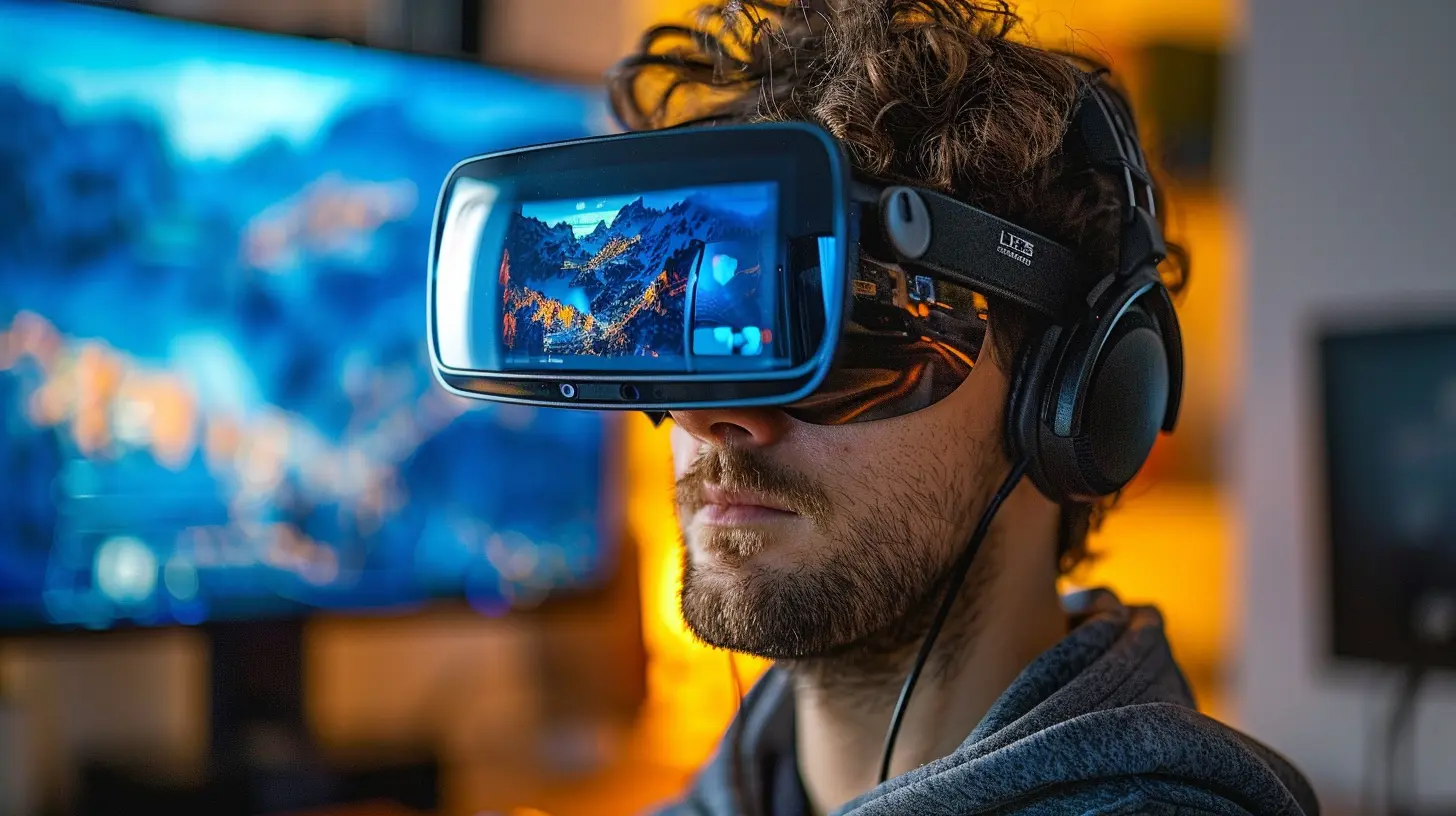
Trade-Offs and Considerations
While advancements in battery technology are exciting, they come with trade-offs. For instance, while solid-state batteries promise safety and longevity, their high manufacturing costs could lead to increased prices for consumer electronics. Similarly, while graphene batteries offer rapid charging, they may not be readily available for mainstream use for several years.Common Misconceptions
One common misconception is that all new battery technologies will immediately replace existing lithium-ion batteries. In reality, the transition to new technologies will take time as manufacturers need to develop the infrastructure for production and address safety and performance concerns.Best Practices
When considering a new device, it's essential to evaluate its battery technology. Here are some best practices:- Research Battery Type: Understand the type of battery used in your device and its implications for performance and longevity.
- Consider Usage Patterns: If you frequently use power-intensive applications, look for devices with newer battery technologies that offer longer life and faster charging.
- Stay Informed: As new technologies emerge, keep an eye on reviews and user experiences to gauge real-world performance.
The Future of Battery Technology
The future of battery technology is bright, with ongoing research and development promising even more breakthroughs. As we move toward a more sustainable future, the focus will shift not only to performance but also to environmental impact.Sustainability and Recycling
As battery technologies improve, so too must our approaches to sustainability. The environmental implications of battery production and disposal are significant, and manufacturers are increasingly focusing on recycling programs. Newer battery technologies may incorporate materials that are easier to recycle, reducing the overall ecological footprint of consumer electronics.Integration with Renewable Energy
The rise of electric vehicles and renewable energy sources has created a symbiotic relationship between battery technology and clean energy. As batteries become more efficient, they can play a crucial role in energy storage solutions, making renewable energy sources more viable and reliable.
Conclusion
The impact of new battery technologies on consumer electronics is profound, shaping everything from device performance to design and user experience. As advancements continue, consumers can expect devices that are not only more powerful but also more sustainable. While challenges remain, the potential for innovation is immense, paving the way for a future where battery life is no longer a limiting factor in our digital lives.
all images in this post were generated using AI tools
Category:
Battery TechnologyAuthor:

John Peterson
Discussion
rate this article
1 comments
Daniella Mendoza
Forget charging anxiety-new batteries mean more time scrolling and less time searching for outlets!
November 21, 2026 at 9:54 PM