The Role of Autonomous Vehicles in Reducing CO2 Emissions
18 December 2025
Technology is reshaping the world as we know it, and one of the most promising advancements in recent years is autonomous vehicles (AVs). While many people focus on their convenience and safety benefits, there's another crucial aspect that often gets overlooked—how they can help cut down CO2 emissions.
Cars are a major contributor to pollution, but could self-driving vehicles be a key to a greener future? Let’s dive into the ways autonomous technology is driving us toward a more sustainable world.
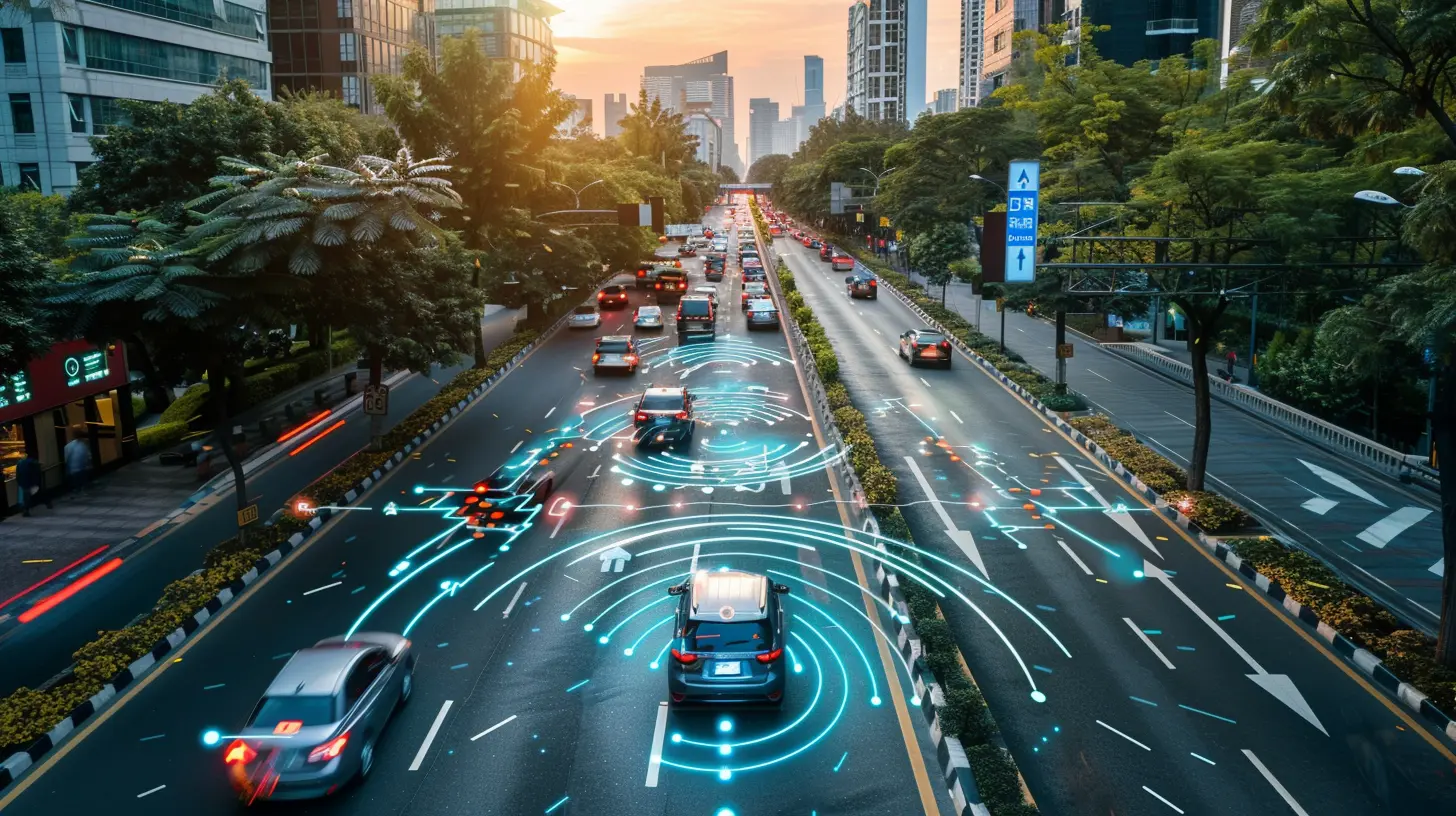
How Transportation Affects Carbon Emissions
Before we get into the role of AVs, it helps to understand the impact of traditional vehicles on the environment.The Carbon Footprint of Traditional Vehicles
Every time we start a car's engine, we release carbon dioxide (CO2) into the atmosphere. In fact, the transportation sector accounts for about 25% of global CO2 emissions, with passenger vehicles being a significant contributor. Here’s why:- Inefficient driving habits – Sudden acceleration, harsh braking, and idling lead to excessive fuel consumption.
- Traffic congestion – Cars stuck in traffic waste fuel while pumping out unnecessary emissions.
- Poor route planning – Taking inefficient routes increases travel time, burning more fuel.
Simply put, human behavior plays a big role in how much CO2 we emit. This is where autonomous vehicles can make a drastic difference.
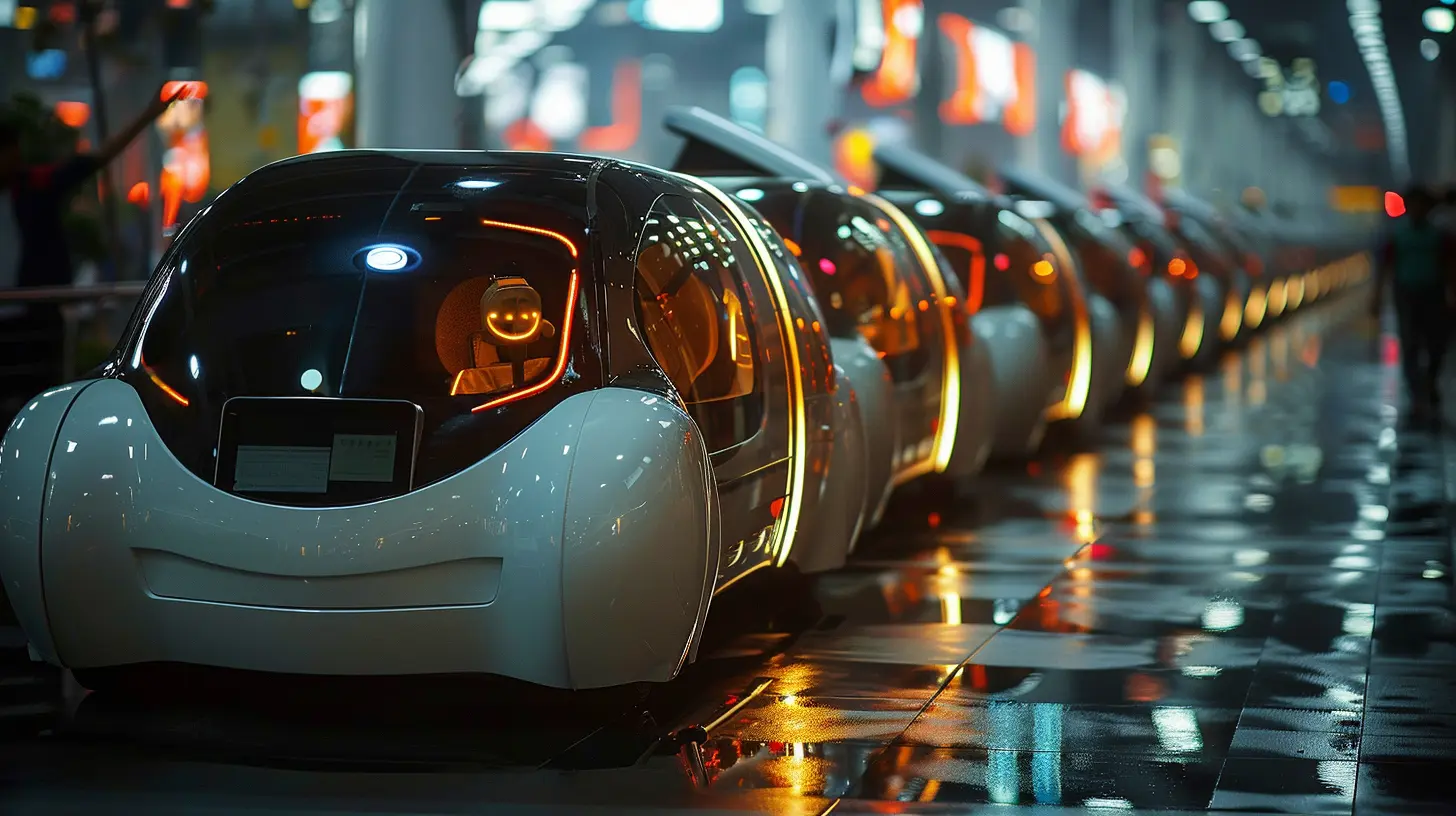
How Autonomous Vehicles Reduce CO2 Emissions
Self-driving technology isn't just about making life easier—it’s also about making the planet healthier. These intelligent machines can significantly cut down emissions in several ways.1. Optimized Driving Efficiency
Autonomous vehicles rely on artificial intelligence (AI) and machine learning to drive efficiently. Unlike human drivers who may speed up and brake unpredictably, AVs follow smooth driving patterns, making fuel use far more efficient.- They minimize unnecessary acceleration and braking.
- They maintain optimal speeds, which enhances fuel economy.
- They can seamlessly adjust to road conditions without making poor driving decisions.
The results? Lower fuel consumption and reduced CO2 emissions.
2. Traffic Reduction and Smart Routing
Nobody likes getting stuck in traffic, and traditional cars idling in congestion contribute massively to air pollution. Autonomous vehicles, however, can communicate with each other and traffic systems to:- Pick the shortest and most efficient routes.
- Avoid high-traffic areas and bottlenecks.
- Work together to reduce congestion, leading to smoother traffic flow.
If a majority of cars on the road were autonomous, we could significantly cut back on the time vehicles spend idling, ultimately lowering CO2 emissions.
3. Increased Use of Electric Vehicles (EVs)
Many autonomous vehicle manufacturers are focusing on electric-powered self-driving cars. Since EVs produce zero tailpipe emissions, combining them with AV technology is a match made in environmental heaven.- EV-based AVs further reduce reliance on fossil fuels.
- They lower lifecycle emissions, including production and energy use.
- Autonomous charging systems ensure these self-driving EVs stay efficient and eco-friendly.
As automation and electrification go hand in hand, we move closer to a carbon-neutral transportation system.
4. Car-Sharing and Ride-Pooling
Autonomous vehicles make car-sharing and ride-pooling more practical and widespread. Think about it—why own a car when you can summon a self-driving ride whenever you need it?- Fewer individually owned cars mean fewer vehicles on the road.
- Ride-sharing with autonomous taxis results in fewer emissions per passenger.
- A well-optimized AV fleet reduces unnecessary trips, creating a more sustainable transportation model.
If more people shifted from owning cars to using shared autonomous mobility services, we’d see a big drop in overall emissions.
5. Eco-Friendly Traffic Signals and AI-Powered Traffic Management
Self-driving cars don’t just help in personal transportation; they also integrate with smart city infrastructure. Many cities are working on AI-powered traffic management systems that:- Synchronize traffic signals to reduce unnecessary stops.
- Guide AVs to take the most efficient routes based on real-time data.
- Reduce wait times at intersections, which helps lower fuel use and emissions.
A city optimized for autonomous vehicles could potentially cut emissions drastically by eliminating wasted fuel from inefficient traffic flow.
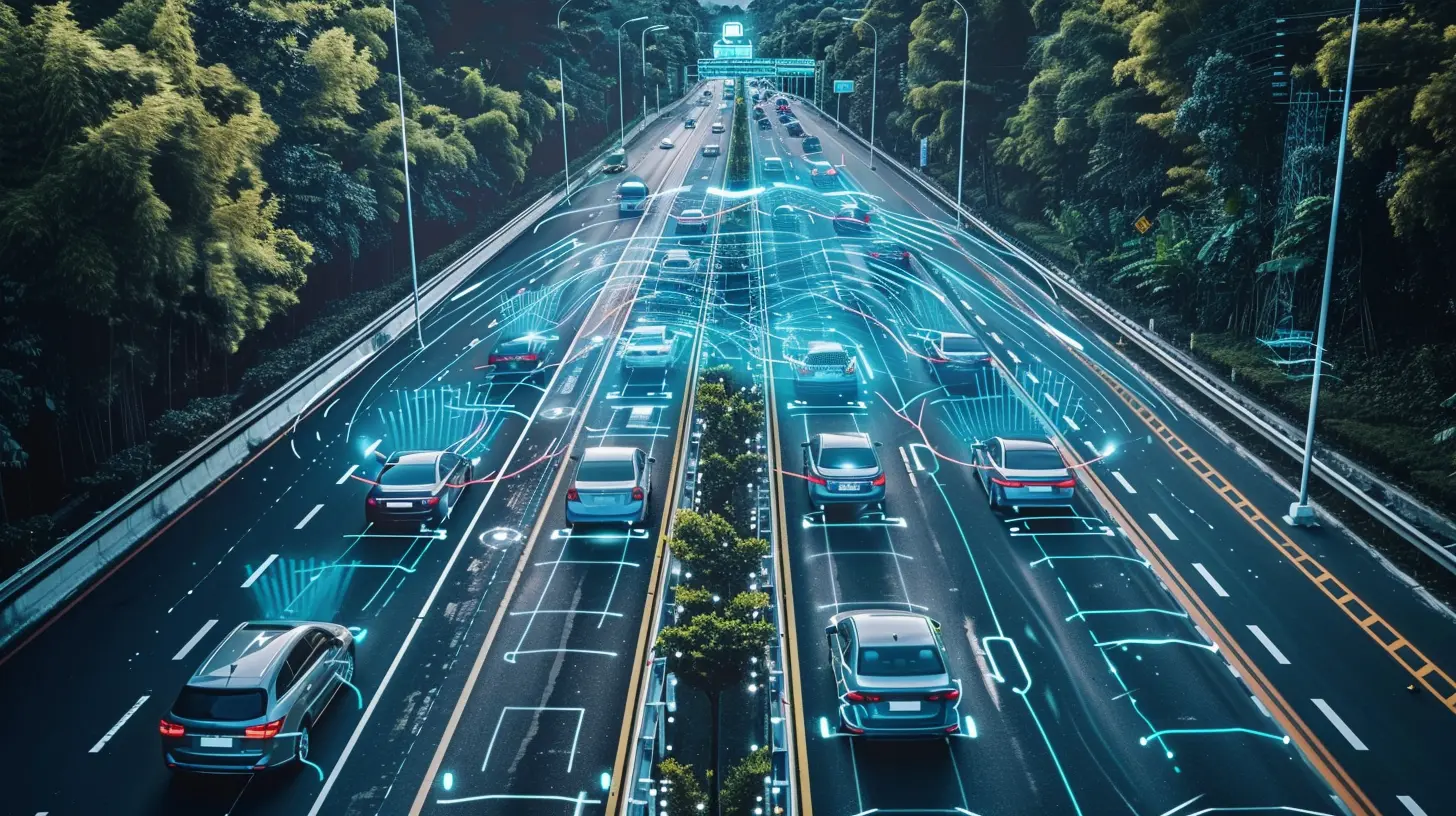
Challenges to Overcome
Of course, AVs aren't a perfect solution just yet. Several challenges need to be addressed before they can fully replace traditional vehicles:Energy-Intensive AI Systems
Processing vast amounts of data requires powerful computing, which consumes energy. Ensuring that AI systems are powered by renewable energy sources will be crucial in making AVs truly green.Initial High Carbon Footprint from Manufacturing
Building autonomous vehicles, especially electric ones, requires rare materials like lithium and cobalt, which have a significant environmental impact. However, advancements in battery recycling and sustainable sourcing are helping mitigate this issue.Slow Adoption and Public Hesitancy
People may be reluctant to fully trust self-driving technology. Governments, automakers, and tech companies need to work together to build confidence and encourage adoption.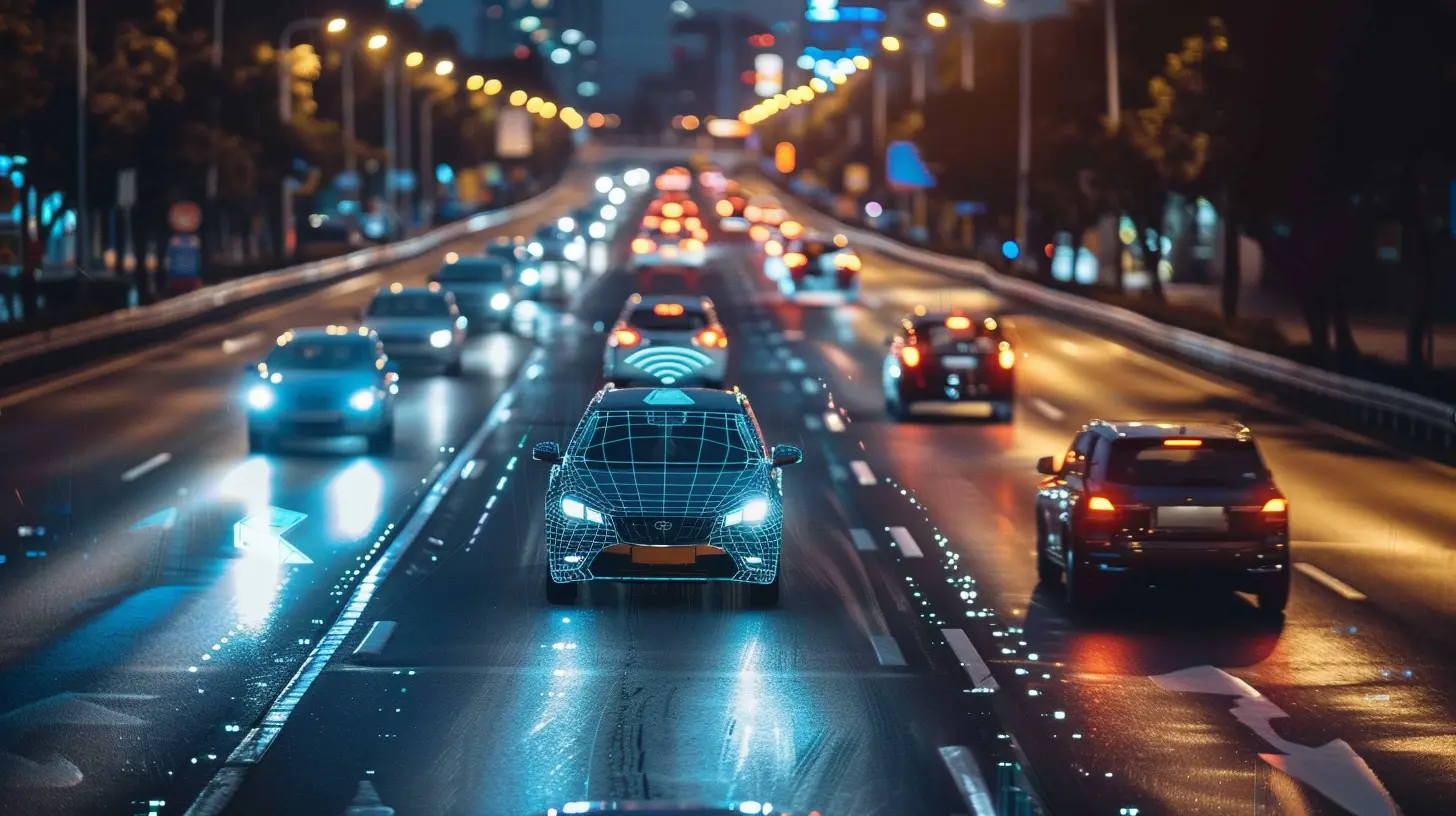
The Future of Autonomous Vehicles and Sustainability
It's clear that autonomous vehicles offer huge potential for reducing CO2 emissions, but the key to success is large-scale adoption. As technology improves and infrastructure adapts, we can expect:- More cities to integrate smart traffic systems for AVs.
- EV-based autonomous vehicles to become more affordable and accessible.
- Governments to introduce policies promoting sustainable transportation.
The shift won’t happen overnight, but the long-term benefits make it worth the effort. Picture a world where cars drive themselves, traffic jams are a thing of the past, and CO2 levels are significantly lower. Sounds like a future worth striving for, doesn’t it?
Conclusion
Autonomous vehicles have the potential to revolutionize transportation while making it far more environmentally friendly. From optimized driving and smart routing to increased EV usage and car-sharing, AVs tick multiple boxes for sustainability.While there are still hurdles to overcome, the progress we’re seeing suggests that self-driving technology could play a major role in cutting carbon emissions. The road to a cleaner future is being paved—one autonomous vehicle at a time. Are we ready to embrace it?
all images in this post were generated using AI tools
Category:
Autonomous VehiclesAuthor:

John Peterson
Discussion
rate this article
2 comments
Lisette Rhodes
Autonomous vehicles offer promising potential to significantly lower CO2 emissions through optimized driving and reduced congestion.
January 25, 2026 at 3:57 AM
John Peterson
Thank you for your comment! Indeed, autonomous vehicles can enhance efficiency and reduce traffic, contributing to lower CO2 emissions.
Kyle Rodriguez
Future's here—embrace the change!
December 20, 2025 at 1:47 PM
John Peterson
Absolutely! Embracing autonomous vehicles is a crucial step towards a sustainable future and reducing CO2 emissions.