The Role of DSP in Modern Headphones: Enhancing Audio Experience
21 March 2026
If you've bought a pair of headphones in the past few years — especially the fancy noise-canceling ones — chances are there's something magical happening under the hood. No, not unicorns and fairy dust. We're talking about DSP, or Digital Signal Processing. It’s not just a buzzword tech companies throw around to sound impressive. DSP is kind of like the brain inside your headphones, making your audio experience smarter, smoother, and just flat-out better.
But what exactly does DSP do in your headphones? And why should you care? Let’s cut through the tech jargon and dive into how DSP is transforming the way we hear music, podcasts, and everything in between.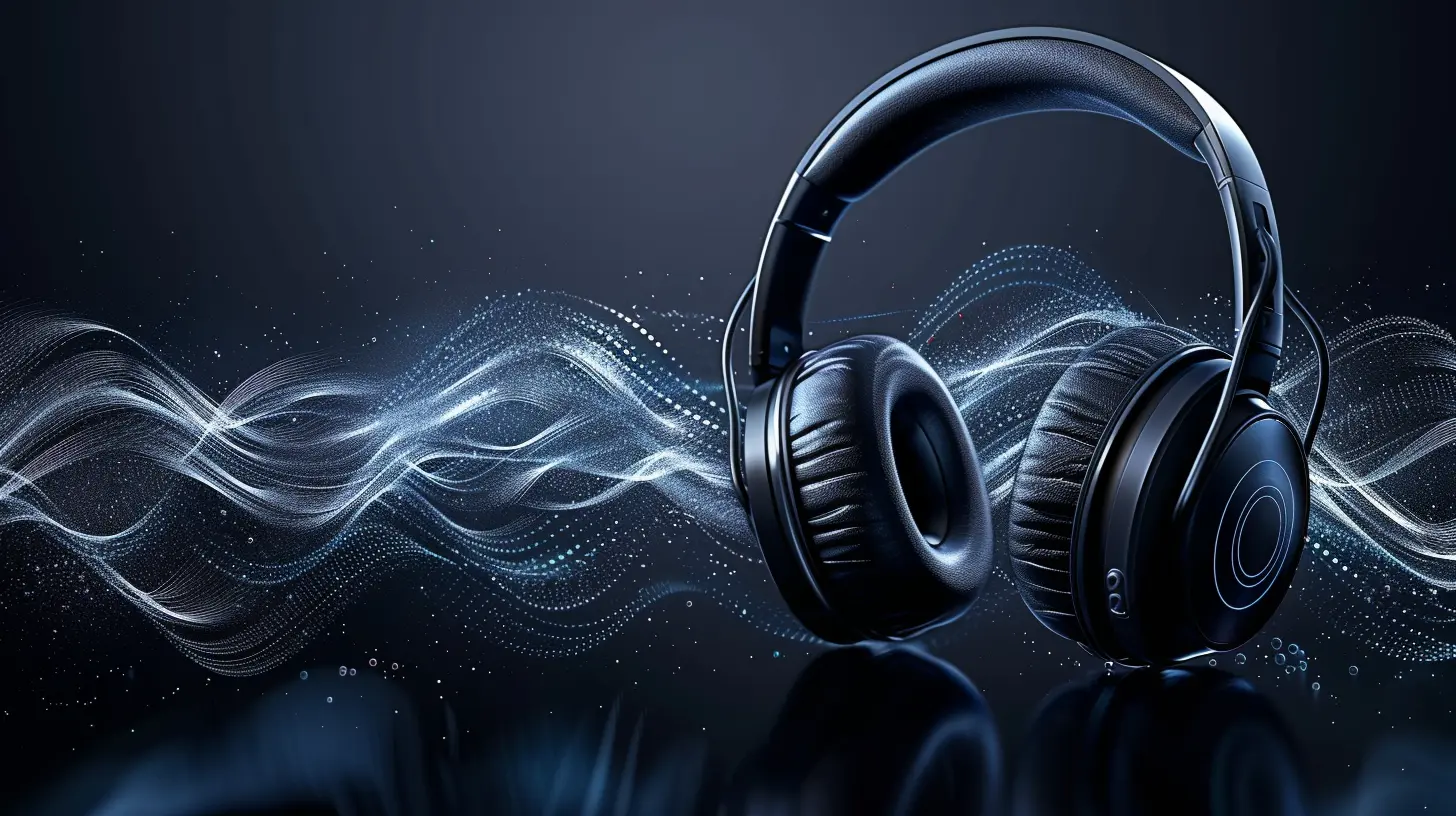
What is DSP Anyway?
Before we get into all the cool stuff DSP can do, let’s break down what it is in the simplest way possible. DSP stands for Digital Signal Processing. It's a way of manipulating digital signals — like audio — using algorithms, to improve or tailor the sound.Imagine you’re at a concert, and there's a super-skilled sound engineer controlling the mixer. They’re adjusting the bass, treble, volume levels, and making everything sound fantastic. Now, shrink that sound engineer down into a microchip and stick it inside your headphones. That’s basically what DSP is doing — all the time, in real time.
How DSP Works in Headphones
So, how does DSP actually work once it's inside your headphones? Let's break it down.When audio enters your headphones, it's still raw and unprocessed. The DSP chip instantly gets to work analyzing that signal and manipulating it to fit certain parameters or sound profiles. It tweaks the frequency response, adjusts gain, cancels noise, and even compensates for the shape of your ears.
Pretty wild, right?
The beauty of DSP is that it can make small changes that create big improvements. It doesn’t just make things louder or softer — it changes how sound is delivered, how it balances frequencies, and how external noise is handled.
Why DSP is a Game-Changer for Audio Quality
Let’s face it — great sound quality used to mean huge speakers and lots of wires. But now? You can get professional-grade audio in something small enough to fit in your pocket.Here’s how DSP makes that possible:
1. Tailored Equalization (EQ)
Ever messed around with a graphic equalizer in a music app? DSP does that behind the scenes but way more precisely. Whether it's boosting bass, cranking up vocals, or softening harsh highs, DSP tunes your audio like a seasoned DJ.2. Active Noise Cancellation (ANC)
You know that moment when you turn on ANC and the airplane engine just disappears? That’s DSP, baby. It listens to incoming noise through built-in mics, then produces anti-noise signals that cancel it out. It's like having noise-canceling ninjas working round the clock.3. Adaptive Sound Processing
This one’s super cool. Some high-end headphones use DSP to adjust sound in real time based on your surroundings. In a quiet room? It enhances detail. On a busy street? It prioritizes clarity. It’s like having a personal audio assistant who knows exactly what you need.4. Improved Call Quality
Ever notice how your voice sounds crystal clear on a call, even with background noise? That’s DSP using beamforming and echo cancellation to isolate your voice and cut out the distractions. It’s smarter than your average mic.
DSP vs Analog Audio Processing: Old School vs New School
Back in the day, all audio processing was analog — think knobs, circuits, and cables. Analog gear has its charm, but it's bulky, less precise, and not nearly as adaptable.With DSP, all the tweaking happens with software running on microchips. That means:
- More accurate sound adjustments
- Smaller form factors (hello, wireless earbuds!)
- Customizable sound profiles
- Easier firmware updates to add new features
So while analog audio has its loyal fans (especially in high-end audiophile circles), DSP is the reason headphones today can be tiny, wireless, and still sound amazing.
Smart Features Enabled by DSP
Alright, we’ve talked about how DSP improves sound quality, but it doesn’t stop there. DSP also powers a lot of the smart features that make modern headphones so convenient.1. Voice Assistant Integration
When you ask Siri, Google, or Alexa something through your headphones, DSP processes your voice, cleans it up, and sends it off — making sure the assistant hears you loud and clear.2. Spatial Audio
This is next-level surround sound. DSP helps simulate 3D soundscapes, so it feels like the music or movie is happening all around you — not just in your ears. Ever heard an orchestra playing around your head? That’s DSP magic.3. Hearing Health Monitoring
Some headphones can now track your listening habits and warn you if you're cranking the volume too high for too long. That’s DSP doing its part to save your eardrums.4. Automatic Sound Adjustment
Some models detect when you’re wearing them and auto-pause when you take them off. Others adjust volume based on ambient noise around you. That’s some futuristic-level automation — powered by DSP.The Rise of Customizable Sound Profiles
Have you ever used an app that lets you customize your headphone sound settings? Like setting a "Bass Boost" or "Podcast" mode? Yep, that’s DSP letting you become your own sound engineer.Some newer headphones even use hearing tests to create personalized sound profiles, tuned specifically to your ears. Think of it like prescription glasses, but for your hearing. It’s wild — and super helpful for folks who might not even realize they’ve got minor hearing loss.
DSP in Wireless Earbuds — A Compact Revolution
Let’s not forget the true MVPs of the portable audio game: wireless earbuds.Packing great sound into something so small almost seems impossible. But thanks to DSP, wireless earbuds can:
- Deliver balanced audio despite tiny drivers
- Offer top-notch noise cancellation
- Improve battery efficiency by smartly processing sound
- Provide crystal-clear calls
Without DSP, your AirPods, Galaxy Buds, or Sony WF models would just be tiny speakers with average sound. So really, DSP is the invisible superhero making earbuds powerful and premium.
Challenges and Limitations of DSP
Now, let’s be real — no tech is perfect. DSP isn’t without a few hiccups.1. Lag or Latency
All that digital processing takes a little time. Most of the time it’s imperceptible, but in some cases (like gaming or watching videos), latency can be a thing.2. Loss of “Raw” Sound
Some audiophiles argue that DSP can make audio feel too artificial or polished, especially if it over-processes the signal. So if you're chasing that "natural" analog warmth, DSP might not be your jam.3. Battery Drain
All that processing takes power. Poorly optimized DSP chips can eat into battery life. Fortunately, better chips and software updates are constantly fixing this.What This Means for You (The Listener)
If you love great sound, smart features, and convenience — you've got DSP to thank. Whether you're commuting, working out, or just chilling on the couch, DSP quietly works behind the scenes to make everything sound better.So next time you slap on your headphones and marvel at how freaking good everything sounds, remember: there's a tiny digital wizard in there working overtime.
The Future of DSP in Audio
Tech never stands still. The future of DSP in headphones is looking even more exciting.Think real-time language translation, even smarter AI-powered sound adjustments, and even health-monitoring features that could detect early signs of hearing loss or other conditions — all through your headphones.
As processors get faster and more efficient, DSP will become even more powerful, all while staying invisible to the user. That’s the beauty of it — effortless enhancements.
Final Thoughts
Digital Signal Processing isn’t just a fancy piece of tech lingo. It’s the engine quietly revving behind all your favorite audio experiences. From canceling out city noise to delivering studio-quality sound in your earbuds, DSP is the unsung hero of modern headphones.So the next time you hear crystal-clear vocals, thunderous bass, or complete silence in the middle of chaos — just remember: it's not magic. It's DSP.
all images in this post were generated using AI tools
Category:
HeadphonesAuthor:

John Peterson
Discussion
rate this article
2 comments
Will Mendoza
Absolutely crucial for audio quality!
April 2, 2026 at 12:38 PM
John Peterson
Thank you! DSP truly elevates audio quality by optimizing sound and personalizing listening experiences.
Mara McNab
Great insights! DSP truly transforms our audio experience. Thank you!
March 22, 2026 at 12:30 PM
John Peterson
Thanks for your kind words! I'm glad you found the insights helpful. DSP really does make a difference in audio quality.