Voice-Controlled Homes: What You Need to Know About Alexa, Google Assistant, and Siri
11 March 2026
Welcome to the future — where your voice isn’t just heard... it’s obeyed.
Imagine walking through your front door after a long day and simply saying, “Turn on the lights,” and… boom! The lights flicker on. Or maybe you're buried under a blanket binge-watching your favorite show and realize the thermostat is set way too low. “Hey Google, turn up the heat.” Cozy comfort, no fingers lifted.
That’s the magic of voice-controlled homes. And if you’re wondering how Alexa, Google Assistant, and Siri stack up in this voice-powered revolution, you’re in the right place.
Let’s dig in, because choosing the right voice assistant could totally change how you live your daily life — and yes, it’s as cool as it sounds.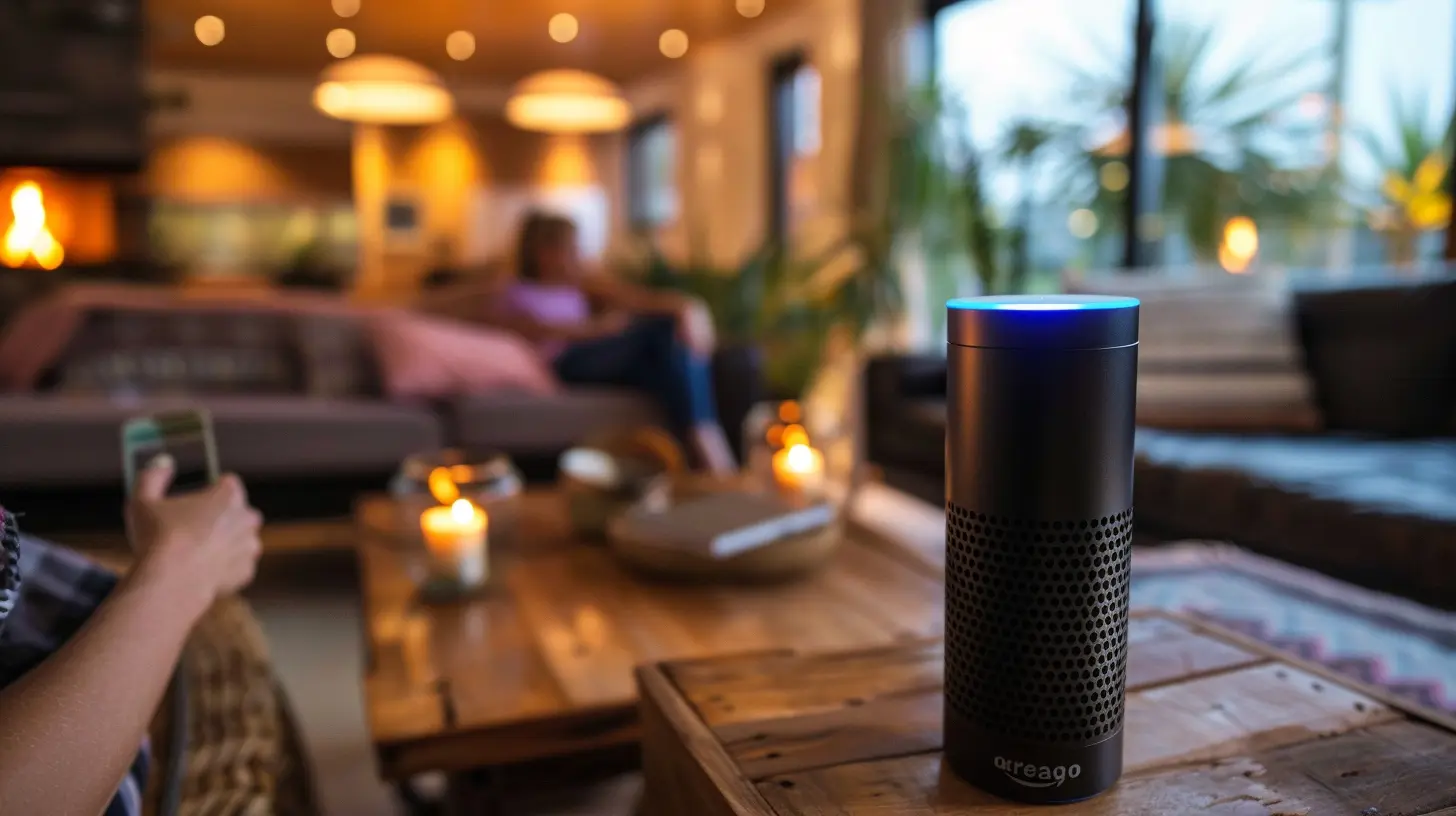
What Is a Voice-Controlled Home Anyway?
Okay, let’s start with the basics.A voice-controlled home uses a virtual assistant (like Alexa, Google Assistant, or Siri) to manage smart devices using your voice. Think of it as your home having ears (and a bit of brains). These assistants live in smart speakers, smartphones, or other connected devices and can control lights, locks, thermostats, speakers, TVs, and even your coffee machine — all through voice commands.
You speak, it listens, it acts. Kinda like a genie… but real.
Why Should You Care About Voice Assistants?
Let’s be honest — life is busy. Who wouldn’t want a little digital butler to help take the load off?Whether you're managing a house full of kids or living solo in a sleek apartment, a voice assistant brings convenience, security, and a small dash of futuristic fun. Imagine not having to scramble for the TV remote or fumbling with your phone to set an alarm. Just say it, and it’s done.
Plus, it's not just about being cool (although, let’s admit, that’s a huge bonus). Voice-controlled homes simplify everyday routines, help you stay organized, and even support independent living for seniors or individuals with disabilities.
Meet the Big Three: Alexa, Google Assistant, and Siri
Alexa – Amazon's Smart Star
Amazon Alexa has been the poster child of smart homes since the launch of the Echo. She’s like the social butterfly of voice assistants — talkative, friendly, and super compatible.With thousands of “skills” (think apps for Alexa), she can do everything from ordering pizza to playing Jeopardy. Alexa also plays well with a wide range of smart home devices thanks to its open ecosystem.
Best Features:
- Compatible with tons of smart home devices
- Supports routines (automate multiple actions with one command)
- Works with Amazon shopping, of course
- "Drop In" intercom feature for household communication
Limitations:
- Needs specific phrasing at times
- Privacy concerns due to data collection
Google Assistant – The Smartest Brain on the Block
If Alexa’s the socialite, Google Assistant is the straight-A student. Powered by—you guessed it—Google, this assistant is incredibly intuitive. It understands natural language quite well, so you don’t have to recalibrate your brain to speak like a robot.Because it taps into Google’s search engine, it usually gives better, more accurate answers to your random questions.
Best Features:
- Understands context and follow-up questions
- Integrates with Google services like Calendar, Maps, and Gmail
- Great multi-user recognition
- Can broadcast messages across Google speakers
Limitations:
- Smaller library of third-party skills compared to Alexa
- Integration with non-Google devices can be hit or miss
Siri – Apple’s Polished Prodigy
Ah, Siri. If you’re already a loyal user in the Apple ecosystem, Siri might be your go-to. It’s less flashy than Alexa or Google Assistant but is deeply integrated into iPhones, iPads, Macs, Apple TVs, and, of course, the HomePod.Siri focuses on privacy and simplicity. It might not be as customizable, but for many, that's a blessing, not a curse.
Best Features:
- Seamless integration with Apple devices
- Prioritizes user privacy
- Simple and clean interface
- Works well with Apple HomeKit devices
Limitations:
- Compatible only with Apple-approved smart devices
- Less flexible with third-party services
So, Which One Is the Best for You?
Here’s the deal — there’s no one-size-fits-all. It really depends on your lifestyle and what devices you already own.| Want this? | Go With This Assistant |
|---------------------------------|-------------------------------|
| Maximum device compatibility | Alexa |
| Best for Google services users | Google Assistant |
| Already in the Apple ecosystem | Siri |
| Most natural conversation style | Google Assistant |
| Most customizable routines | Alexa |
| Privacy-focused experience | Siri |
At the end of the day, the best voice assistant is the one that fits into your life without making you change your habits.
How to Get Started with a Voice-Controlled Home
Starting small is the smart way to go. You don’t need to drop a fortune to enjoy the perks of voice control.Step 1: Pick Your Voice Assistant
This is crucial. Like we just covered, each assistant pairs best with its own ecosystem. Once you pick one, it’s easier to find smart gadgets that play nicely with it.Step 2: Choose a Smart Speaker or Display
You’ll need a device to house your assistant — something like:- Amazon Echo (Alexa)
- Google Nest Mini or Nest Hub (Google Assistant)
- Apple HomePod Mini (Siri)
Pro tip: Smart displays add visuals, like showing weather updates or video calling, which can be super handy.
Step 3: Add Smart Home Devices
Start with what you use most:- Smart plugs for lamps or coffee makers
- Smart lights for voice-controlled ambiance
- Smart thermostats for cozy comfort
- Smart locks and video doorbells for security
Gradually expand to build your dream smart home setup.
Step 4: Set Up Routines
One of the coolest features? Routines. They bundle multiple actions into one voice command.Say, “Good morning” and your lights turn on, the weather update starts, and your favorite playlist begins. Efficiency, meet elegance.
Security and Privacy — What You Should Know
Let’s pause and talk about something important: safety.Yes, voice assistants listen. That’s how they work. But are they always listening? Kind of… they wait for a "wake word" like “Hey Siri,” or “Alexa.” Until then, recordings aren’t (usually) being sent.
Still, here’s how to protect your privacy:
- Mute your assistant when not in use (there’s a button!)
- Review and delete voice recordings regularly
- Limit device access with voice recognition
- Use secure Wi-Fi and update firmware often
Privacy is a valid concern, but with a few smart moves, you stay in control.
Cool Things You Didn’t Know You Could Do
Bet you didn’t know your voice assistant has a few tricks up its sleeve.- Alexa Guard: Turn your Echo into a security device when you’re away. It’ll listen for glass breaking or smoke alarms.
- Google Routines with Location Triggers: Actions activate when you leave or return home.
- Siri Shortcuts: Automate actions on your iPhone or Apple Watch with a custom phrase.
And yes, you can game with your voice too. Trivia nights just got an upgrade!
Can Voice-Controlled Homes Help with Accessibility?
Absolutely — and this is one of the best things about the tech.For people with mobility challenges, being able to control lights, locks, and appliances without moving an inch is life-changing. Voice assistants offer independence and empower users to manage their environment with ease.
Think about it — not just cool, but truly impactful.
The Future: What’s Next for Voice Assistants?
We’re only scratching the surface of what voice-controlled living can be.Soon, you might not need to speak at all. Devices are becoming smarter at predicting your needs based on your habits. AI is learning context better, even emotion — creepy? Maybe. Cool? Definitely.
Voice assistants will also become more conversational, less robotic, and more human-like in tone and understanding. Integration with wearables, cars, and workplaces is just the beginning.
So, buckle up — the voice revolution is only getting louder.
Final Thoughts: Your Voice, Your Power
Here’s the truth — smart homes aren’t just a trend. They’re shaping how we live, interact, and connect with the world around us. And with Alexa, Google Assistant, and Siri, you’ve got the keys to that kingdom right in your voice box.Don’t worry if it feels overwhelming; voice-controlled living is all about progress, not perfection. Start small, explore, and grow into the possibilities.
Because at the end of the day, your home should work for you, not the other way around.
So go ahead… speak up.
Your home is listening.
all images in this post were generated using AI tools
Category:
Smart HomeAuthor:

John Peterson
Discussion
rate this article
2 comments
Caelestis Wallace
Voice-controlled homes offer convenience and efficiency, but users should consider privacy and security implications before adopting.
March 31, 2026 at 2:54 AM
John Peterson
Thank you for your insight! Balancing convenience with privacy and security is indeed crucial when adopting voice-controlled technology.
Zephyris Walker
Voice-controlled homes offer convenience and accessibility, but consider privacy and compatibility before investing.
March 11, 2026 at 11:19 AM
John Peterson
You make a great point. Balancing convenience with privacy and compatibility is crucial when exploring voice-controlled home technology.