Breakthrough in 3D Genome Mapping Reveals Insights into Plant Photosynthesis
May 30, 2025 - 21:52
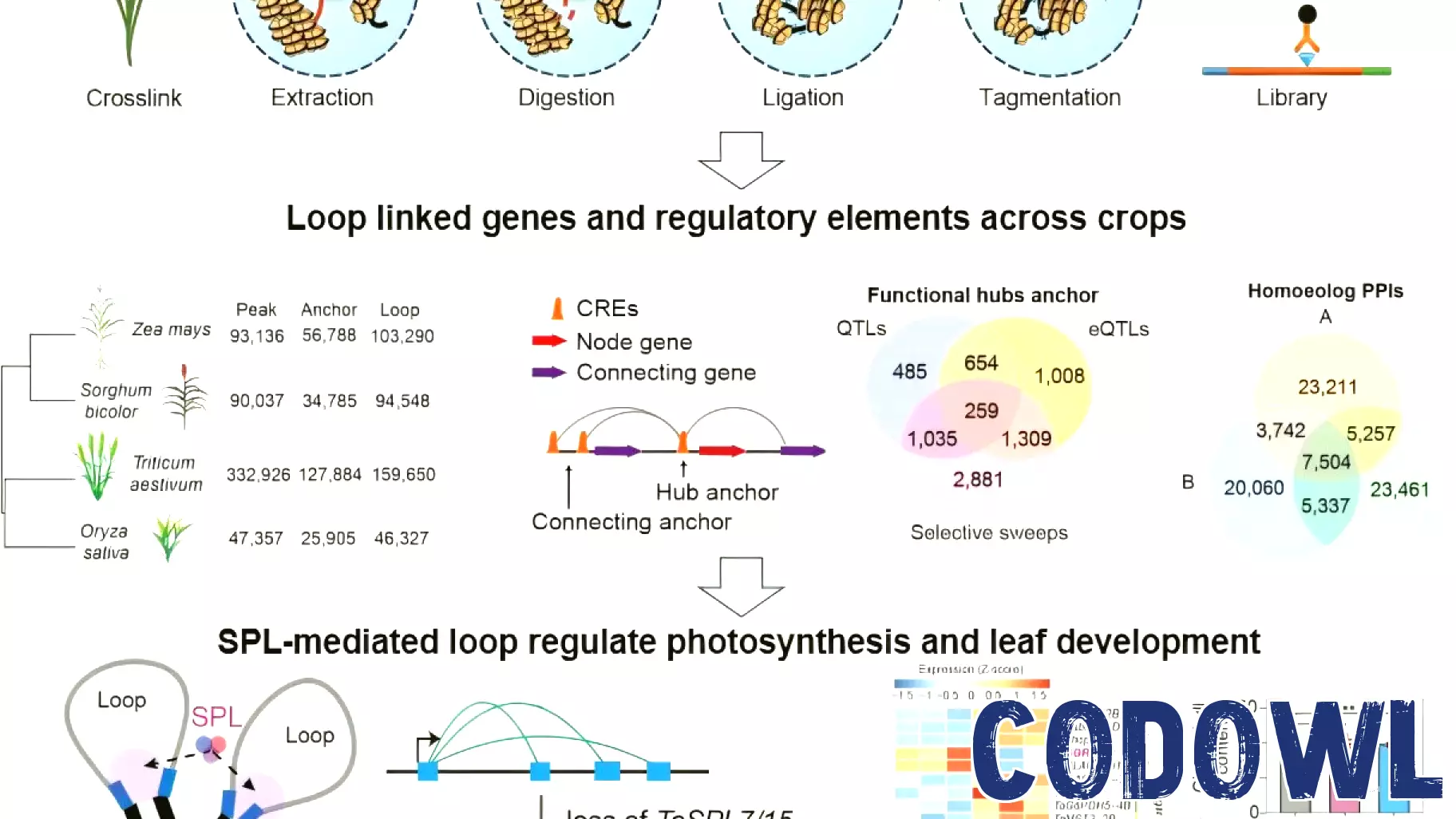
Chinese researchers have made significant strides in understanding how the three-dimensional (3D) structure of plant genomes affects gene expression, particularly in the process of photosynthesis. This innovative technology allows scientists to visualize the intricate organization of genetic material within plant cells, providing a clearer picture of how genes interact and function in relation to environmental factors.
The study highlights the importance of genome architecture in regulating essential processes like photosynthesis, which is vital for plant growth and energy production. By mapping the 3D arrangement of genomes, researchers can identify key regulatory elements that influence gene activity. This understanding could pave the way for advancements in agricultural practices, potentially leading to the development of crops that are more efficient in photosynthesis and better adapted to changing climates.
Overall, this groundbreaking work opens new avenues for genetic research in plants, enhancing our knowledge of how they adapt and thrive in their environments.
MORE NEWS

September 18, 2026 - 12:04
Using Martian Resources to Power the Trip HomeMIT PhD candidate Lanie McKinney is working on technologies that could allow humans to explore Mars and make it back safely. Her research centers on using materials already present on the planet to...

September 17, 2026 - 19:47
Pennsylvania Adds Chip Technology to EBT Cards to Curb SNAP TheftMore than 1.7 million Pennsylvanians who receive Supplemental Nutrition Assistance Program benefits will soon receive EBT cards equipped with chip technology. The change is part of a broader effort...

September 17, 2026 - 04:44
Carbondale Area Science and Technology Club hosts STEM Night for elementary studentsMembers of the Carbondale Area High School Science and Technology Club hosted a `Blast Off to Summer` STEM Night for Carbondale Area Elementary students toward the end of the 2025-26 school year....

September 16, 2026 - 22:14
Microserve Ranks No. 4 Among B.C.'s Top Grossing Science and Technology CompaniesMicroserve has earned a significant recognition in the provincial technology sector. The company was ranked No. 4 among British Columbia`s highest revenue generating science and technology...