Building on the Moon Inspires Smarter Construction on Earth
May 14, 2026 - 03:30
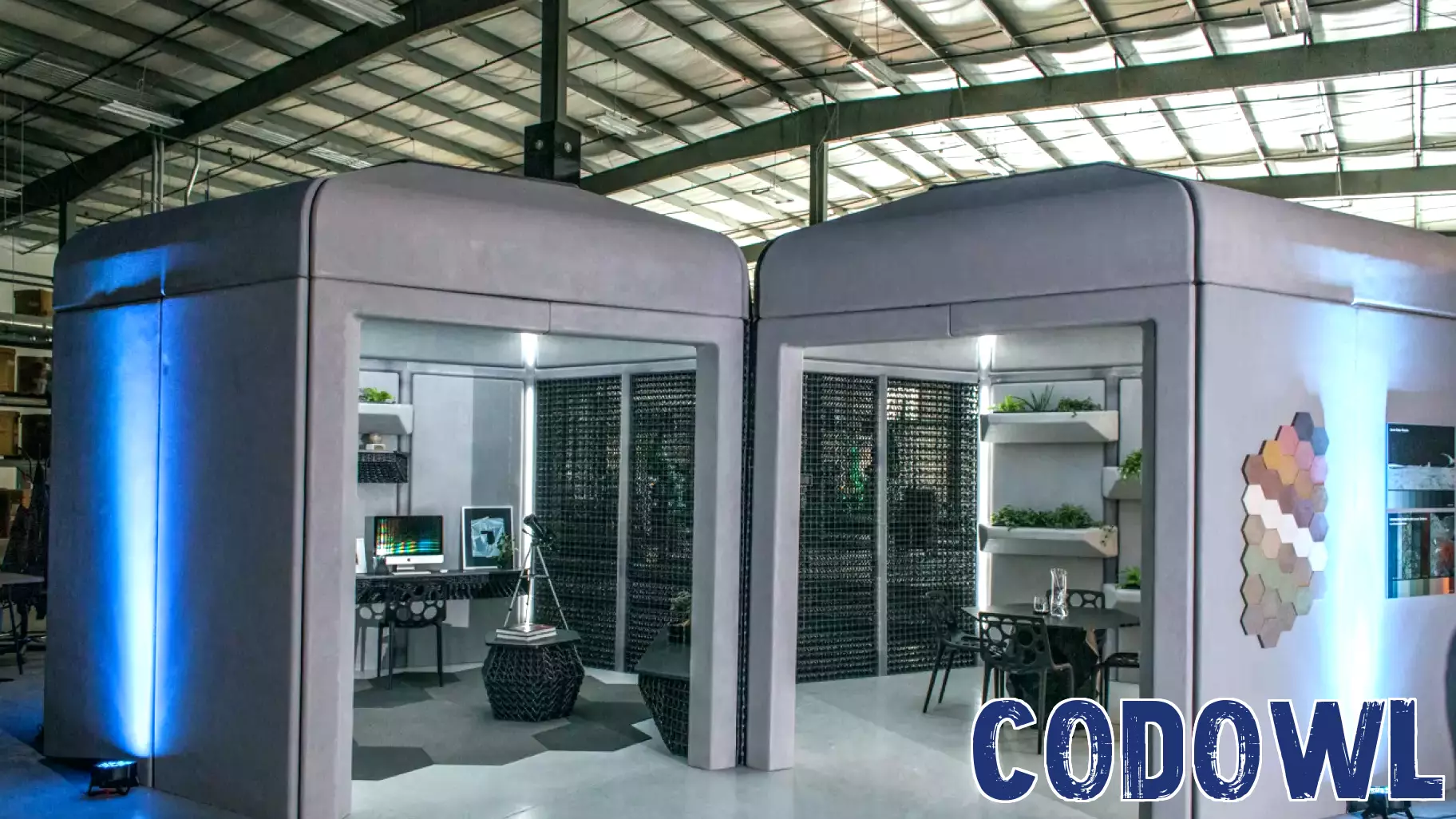
A 3D printing technology originally developed to help NASA build structures on the Moon is now transforming how we construct buildings here on Earth. The process, which was designed to create durable habitats using lunar soil, has been adapted for terrestrial use, offering a combination of speed, strength, and design flexibility that traditional methods struggle to match.
The system works by precisely layering materials, allowing for complex shapes and curves that would be costly or impossible with conventional framing. On the Moon, this capability is essential because every pound of material shipped from Earth is extremely expensive. On Earth, it means less waste, faster project timelines, and new architectural possibilities. Builders can now create walls, floors, and even entire building sections with intricate internal structures that improve insulation and reduce material use.
Early adopters of the technology are already seeing results. One project used the process to construct a small office building with a sweeping, organic shape that blends into its natural surroundings. The structure went up in weeks instead of months, and its energy performance exceeded local building codes. Another application involves creating custom concrete forms for bridges and public spaces, cutting down on the heavy equipment and manual labor typically required.
The key innovation lies in the printing head, which can handle a variety of materials, from recycled concrete to specialized composites. This flexibility means the same machine that could one day print a shelter on the lunar surface can today print a school or a community center. While space exploration often pushes technology forward, this is a clear example of how solving problems for astronauts can lead to practical, everyday benefits for people on the ground.
MORE NEWS
September 18, 2026 - 12:04
Using Martian Resources to Power the Trip HomeMIT PhD candidate Lanie McKinney is working on technologies that could allow humans to explore Mars and make it back safely. Her research centers on using materials already present on the planet to...

September 17, 2026 - 19:47
Pennsylvania Adds Chip Technology to EBT Cards to Curb SNAP TheftMore than 1.7 million Pennsylvanians who receive Supplemental Nutrition Assistance Program benefits will soon receive EBT cards equipped with chip technology. The change is part of a broader effort...

September 17, 2026 - 04:44
Carbondale Area Science and Technology Club hosts STEM Night for elementary studentsMembers of the Carbondale Area High School Science and Technology Club hosted a `Blast Off to Summer` STEM Night for Carbondale Area Elementary students toward the end of the 2025-26 school year....

September 16, 2026 - 22:14
Microserve Ranks No. 4 Among B.C.'s Top Grossing Science and Technology CompaniesMicroserve has earned a significant recognition in the provincial technology sector. The company was ranked No. 4 among British Columbia`s highest revenue generating science and technology...