Inside the World Cup Ball: The Technology Behind the 2026 Tournament
June 21, 2026 - 21:01
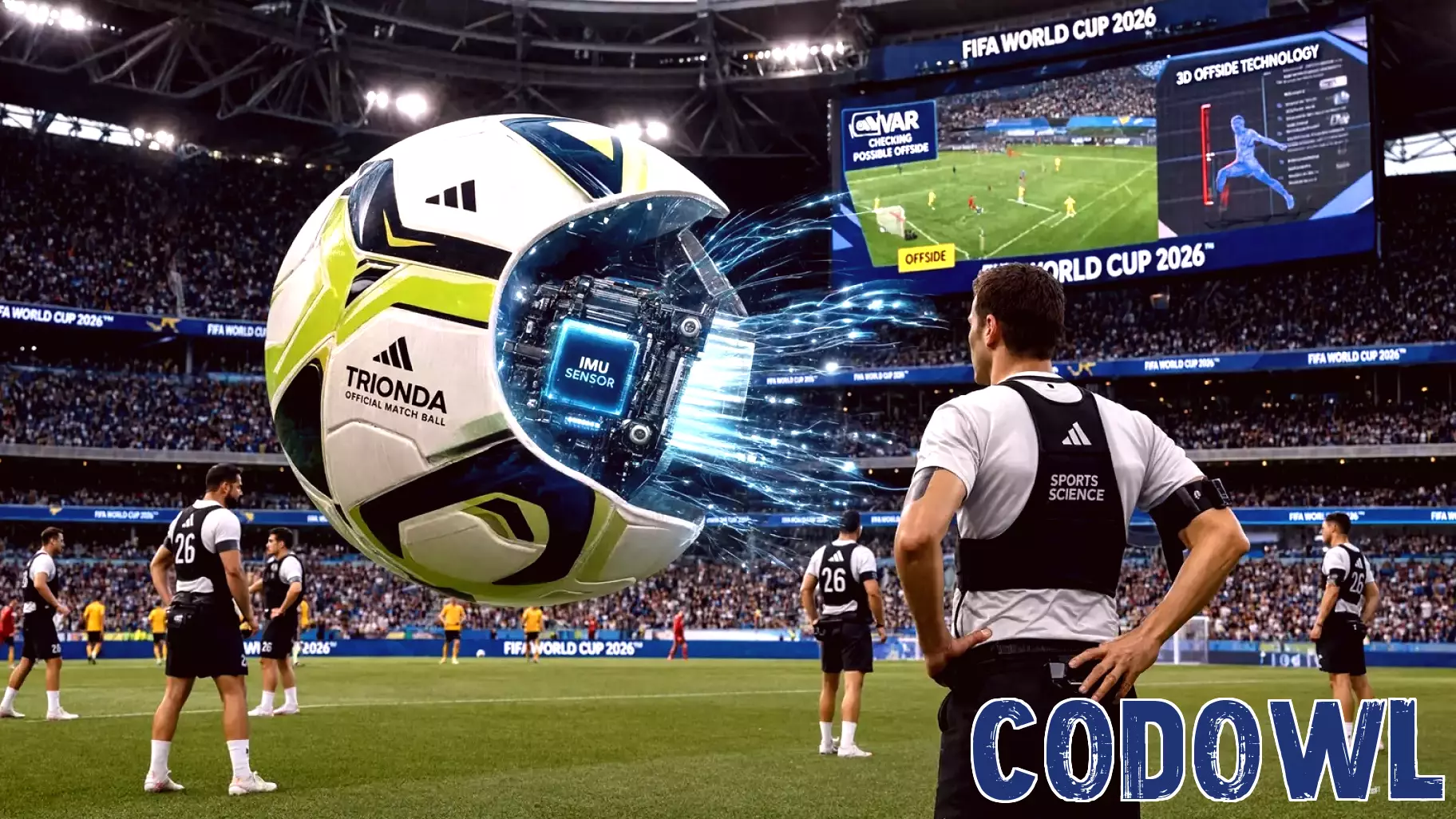
The 2026 World Cup is still a few years away, but the technology behind the official match ball is already making headlines. This time, the focus is not just on aerodynamics or grip. Engineers have embedded a new generation of sensors and cooling systems directly into the ball's design, aiming to solve a problem that has plagued players for decades: overheating on the field.
The core of the new ball features a lightweight, rechargeable chip that tracks every touch, spin, and speed in real time. This data is sent to a central system that helps referees make offside calls and goal decisions within seconds. But the real innovation is a passive cooling layer. The outer casing is made from a special polymer that reflects infrared heat. Tests show it can keep the ball's surface temperature up to 10 degrees cooler than the air around it. This matters because a cooler ball maintains a consistent bounce and does not expand in high heat, which often happens in summer tournaments.
The cooling tech also extends to the players. The ball's inner bladder contains a non-toxic gel that absorbs heat during play. When the ball is kicked, the gel releases stored energy, keeping the internal pressure stable. This means the ball feels the same in the 90th minute as it did in the first. For the 2026 tournament, which will be played across three countries with varying climates, this consistency is a game changer. Teams will no longer have to adjust their passing style based on the local weather.
Of course, the ball still looks like a classic paneled sphere, but the seams are now laser-bonded instead of stitched. This makes it waterproof and nearly impossible to scuff. While some purists worry that technology is taking the soul out of the game, the data suggests otherwise. The new ball is designed to reward skill, not luck. Every spin and curve is now a measurable fact, not a mystery. The 2026 World Cup ball is not just a piece of equipment. It is a silent player on the field.
MORE NEWS
September 18, 2026 - 12:04
Using Martian Resources to Power the Trip HomeMIT PhD candidate Lanie McKinney is working on technologies that could allow humans to explore Mars and make it back safely. Her research centers on using materials already present on the planet to...

September 17, 2026 - 19:47
Pennsylvania Adds Chip Technology to EBT Cards to Curb SNAP TheftMore than 1.7 million Pennsylvanians who receive Supplemental Nutrition Assistance Program benefits will soon receive EBT cards equipped with chip technology. The change is part of a broader effort...

September 17, 2026 - 04:44
Carbondale Area Science and Technology Club hosts STEM Night for elementary studentsMembers of the Carbondale Area High School Science and Technology Club hosted a `Blast Off to Summer` STEM Night for Carbondale Area Elementary students toward the end of the 2025-26 school year....

September 16, 2026 - 22:14
Microserve Ranks No. 4 Among B.C.'s Top Grossing Science and Technology CompaniesMicroserve has earned a significant recognition in the provincial technology sector. The company was ranked No. 4 among British Columbia`s highest revenue generating science and technology...