New Generation Of Intelligent Drones Defined By Technology Convergence
August 4, 2026 - 11:43
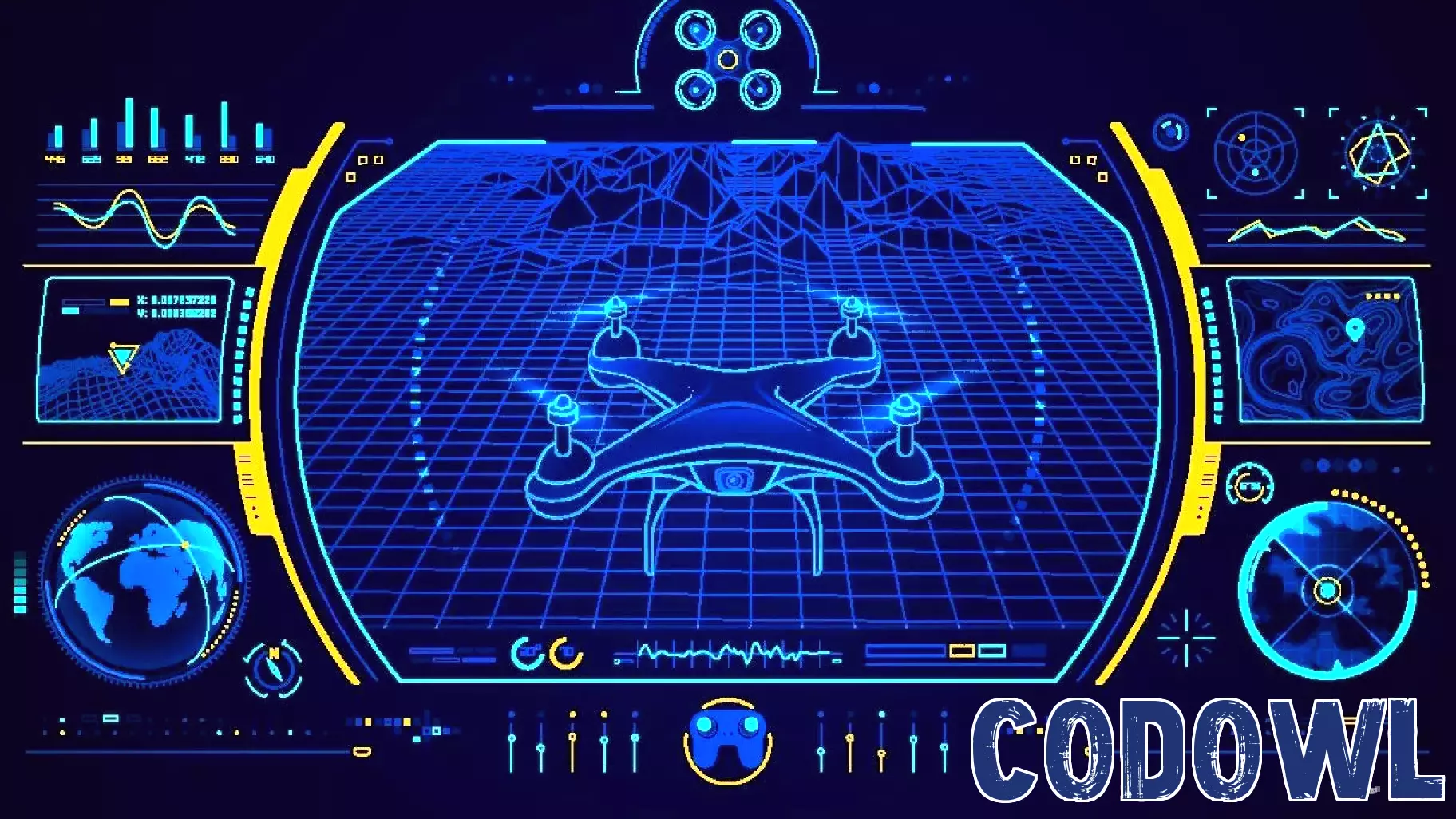
The rapid evolution of unmanned aerial systems is no longer about a single breakthrough. Instead, the current leap forward in intelligent drones is being driven by a powerful convergence of several distinct technologies. This fusion of advanced processing, improved sensors, and smarter software is creating a new generation of aircraft that can operate with unprecedented autonomy and capability.
At the heart of this shift is the move toward more powerful onboard computing. Drones are no longer simple remote-controlled aircraft; they are now flying data centers. With edge AI chips, they can process vast amounts of information in real time, allowing for complex tasks like object recognition, obstacle avoidance, and path planning without needing a constant connection to a ground operator. This lets them navigate dynamic environments, such as dense forests or disaster zones, with a level of precision that was previously impossible.
This computational power is paired with a new suite of sophisticated sensors. High-resolution cameras, LiDAR, and thermal imaging systems work in concert, giving the drone a rich, multi-layered view of its surroundings. The true magic, however, lies in the software that fuses this data. By combining visual, spatial, and thermal inputs, the drone can build a detailed 3D model of its environment in real time, distinguishing between a tree branch and a power line, or even identifying a person in need of rescue.
The result is a machine that acts less like a tool and more like an intelligent agent. These new systems can perform complex missions with minimal human input, from inspecting critical infrastructure to delivering medical supplies in remote areas. As these technologies continue to mature and integrate, the potential applications for these intelligent machines will only expand, fundamentally changing how we interact with the world from above.
MORE NEWS
September 18, 2026 - 12:04
Using Martian Resources to Power the Trip HomeMIT PhD candidate Lanie McKinney is working on technologies that could allow humans to explore Mars and make it back safely. Her research centers on using materials already present on the planet to...

September 17, 2026 - 19:47
Pennsylvania Adds Chip Technology to EBT Cards to Curb SNAP TheftMore than 1.7 million Pennsylvanians who receive Supplemental Nutrition Assistance Program benefits will soon receive EBT cards equipped with chip technology. The change is part of a broader effort...

September 17, 2026 - 04:44
Carbondale Area Science and Technology Club hosts STEM Night for elementary studentsMembers of the Carbondale Area High School Science and Technology Club hosted a `Blast Off to Summer` STEM Night for Carbondale Area Elementary students toward the end of the 2025-26 school year....

September 16, 2026 - 22:14
Microserve Ranks No. 4 Among B.C.'s Top Grossing Science and Technology CompaniesMicroserve has earned a significant recognition in the provincial technology sector. The company was ranked No. 4 among British Columbia`s highest revenue generating science and technology...