Researchers develop AI-based brain stimulation hologram technology
July 23, 2026 - 20:25
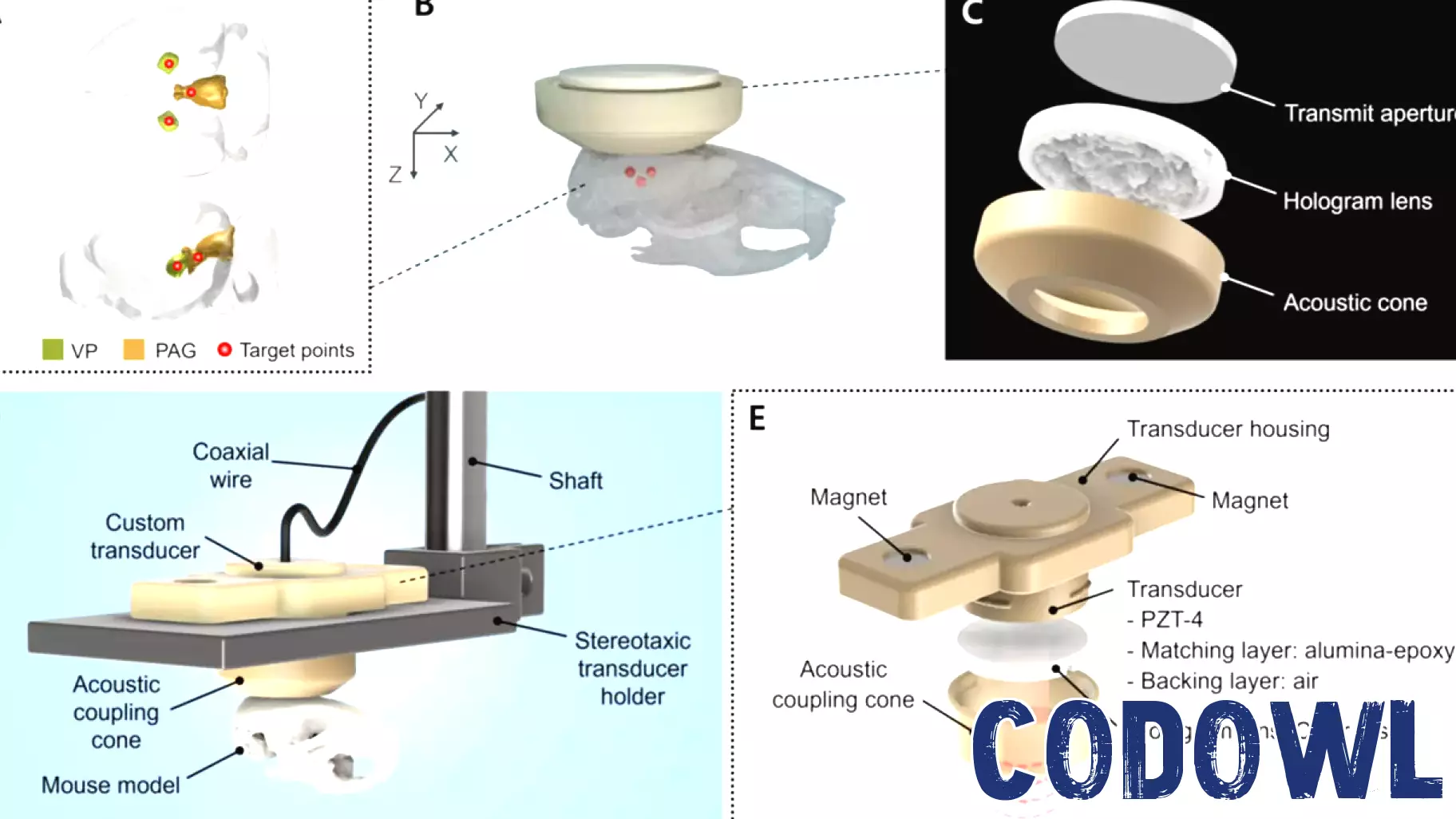
A team of researchers in South Korea has developed a new method for stimulating brain cells using holographic projections controlled by artificial intelligence. The work, led by Professor Jae Youn Hwang at DGIST's Department of Electrical Engineering and Computer Science, combines advanced optics with machine learning to target specific neurons deep within the brain.
The technology works by projecting holographic light patterns that can activate or suppress individual nerve cells. Unlike older methods that rely on implanted electrodes or broad light exposure, this approach is non-invasive and highly precise. The AI component helps calculate the exact hologram needed to reach a target neuron, even when the brain tissue scatters light. This allows the system to adjust in real time, improving accuracy.
The research teams, which also include Professors Euiheon Chung and Hyuk Sang Kwon, believe the system could lead to better treatments for neurological disorders such as Parkinson's disease, epilepsy, and chronic pain. By stimulating only the affected circuits, doctors might avoid the side effects common with drugs or broad electrical stimulation.
Early tests on animal models showed that the holograms could reliably trigger specific behaviors by activating the correct brain regions. The researchers are now working to scale the system for human use, though they note that significant safety and engineering hurdles remain. If successful, the method could offer a new way to study the brain and treat its disorders without surgery.
MORE NEWS
September 18, 2026 - 12:04
Using Martian Resources to Power the Trip HomeMIT PhD candidate Lanie McKinney is working on technologies that could allow humans to explore Mars and make it back safely. Her research centers on using materials already present on the planet to...

September 17, 2026 - 19:47
Pennsylvania Adds Chip Technology to EBT Cards to Curb SNAP TheftMore than 1.7 million Pennsylvanians who receive Supplemental Nutrition Assistance Program benefits will soon receive EBT cards equipped with chip technology. The change is part of a broader effort...

September 17, 2026 - 04:44
Carbondale Area Science and Technology Club hosts STEM Night for elementary studentsMembers of the Carbondale Area High School Science and Technology Club hosted a `Blast Off to Summer` STEM Night for Carbondale Area Elementary students toward the end of the 2025-26 school year....

September 16, 2026 - 22:14
Microserve Ranks No. 4 Among B.C.'s Top Grossing Science and Technology CompaniesMicroserve has earned a significant recognition in the provincial technology sector. The company was ranked No. 4 among British Columbia`s highest revenue generating science and technology...