The 1990s: How Technology, Trade and Work Transformed American Daily Life
June 14, 2026 - 04:51
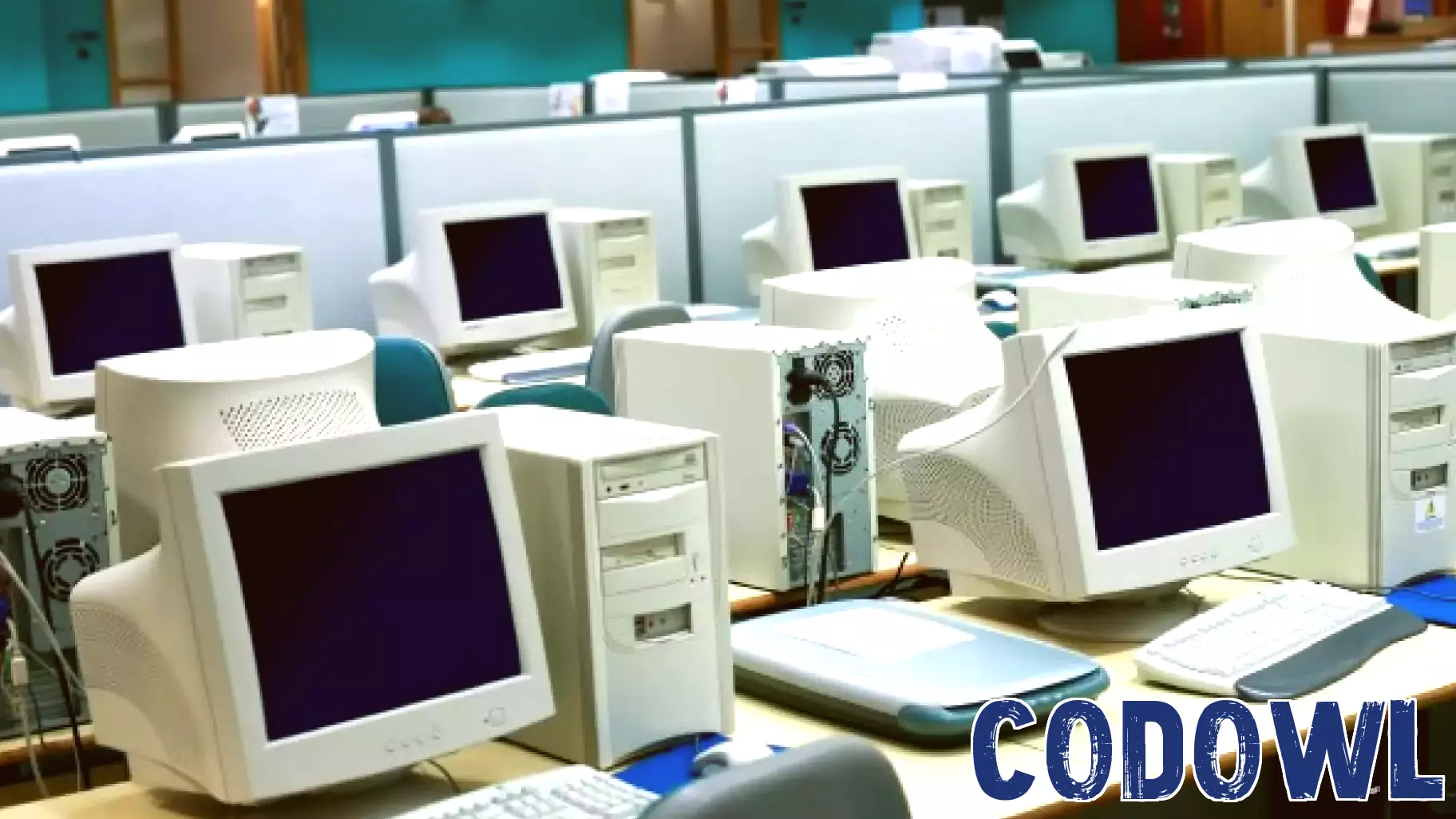
In the 1990s, the United States entered a decade that blended familiar routines with fast-moving change. The Cold War had ended, and a sense of optimism filled the air. But beneath the surface, three powerful forces were quietly reshaping how Americans lived, worked, and connected with one another.
Technology led the charge. Personal computers moved from office desks into living rooms. By the middle of the decade, millions of households had a clunky desktop machine with a dial-up modem. The internet, once a tool for researchers and the military, became a public phenomenon. People started sending emails, browsing early websites, and chatting in AOL chat rooms. Cell phones also began appearing, though they were bulky and expensive. The way Americans communicated shifted from letters and landline calls to instant messages and mobile conversations.
Trade policies also played a major role. The North American Free Trade Agreement, or NAFTA, took effect in 1994, opening borders between the U.S., Canada, and Mexico. Goods became cheaper, but factories moved south, and many manufacturing jobs disappeared. Meanwhile, the rise of global supply chains meant that products like shoes, electronics, and clothing were increasingly made overseas. Americans enjoyed lower prices at stores like Walmart, but the cost was felt in communities that lost their industrial base.
Work itself changed dramatically. The old model of a single job for life with a pension faded. Downsizing became common, even at profitable companies. Temp agencies and contract work grew. The idea of a career path grew less certain. At the same time, the tech boom created new kinds of jobs in software, web design, and IT support. Office workers began using email and spreadsheets, changing the pace and nature of daily tasks.
By the end of the decade, daily American life looked very different from 1990. The way people shopped, talked, worked, and even thought about their future had been remade. The 1990s were not just a time of peace and prosperity. They were a decade when the foundations of modern life were laid, for better and for worse.
MORE NEWS
September 18, 2026 - 12:04
Using Martian Resources to Power the Trip HomeMIT PhD candidate Lanie McKinney is working on technologies that could allow humans to explore Mars and make it back safely. Her research centers on using materials already present on the planet to...

September 17, 2026 - 19:47
Pennsylvania Adds Chip Technology to EBT Cards to Curb SNAP TheftMore than 1.7 million Pennsylvanians who receive Supplemental Nutrition Assistance Program benefits will soon receive EBT cards equipped with chip technology. The change is part of a broader effort...

September 17, 2026 - 04:44
Carbondale Area Science and Technology Club hosts STEM Night for elementary studentsMembers of the Carbondale Area High School Science and Technology Club hosted a `Blast Off to Summer` STEM Night for Carbondale Area Elementary students toward the end of the 2025-26 school year....

September 16, 2026 - 22:14
Microserve Ranks No. 4 Among B.C.'s Top Grossing Science and Technology CompaniesMicroserve has earned a significant recognition in the provincial technology sector. The company was ranked No. 4 among British Columbia`s highest revenue generating science and technology...