'The Future of Truth' and the Reckoning Over AI Writing
May 23, 2026 - 20:46
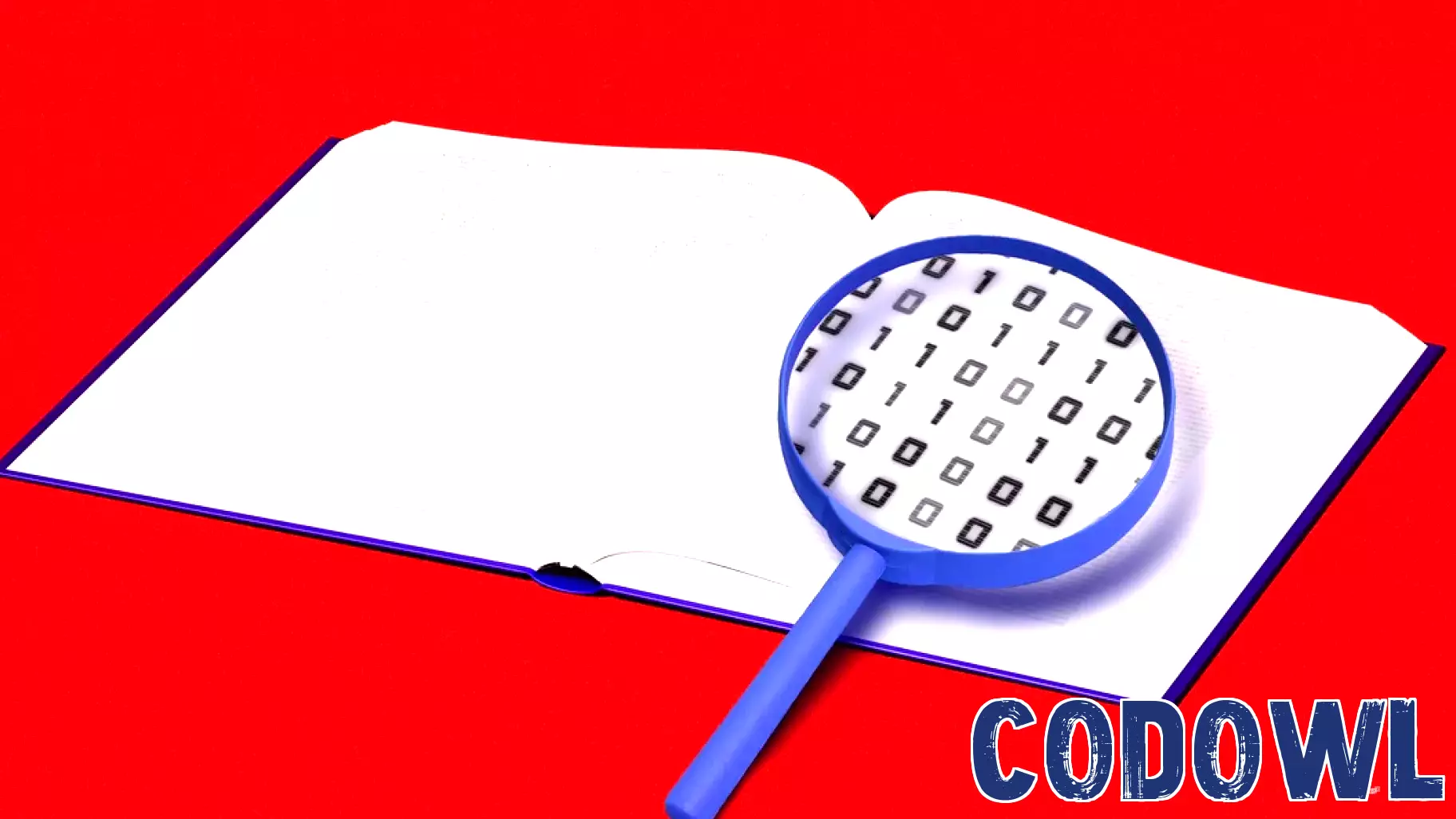
The boundaries around acceptable use of artificial intelligence in writing have never been more blurred. As AI tools become embedded in journalism, academia, and creative work, a quiet reckoning is underway over what we still call "truth." The core question is no longer whether AI can generate text, but whether that text can be trusted without knowing how much of it came from a machine.
Recent controversies have exposed deep unease. Publishers have been caught running AI-generated articles with fabricated quotes. Students submit essays written by chatbots, passing them off as original thought. Even professional writers now routinely use AI for research, outlines, and first drafts. The problem is that no one agrees on where the line should be drawn. Is it acceptable to use AI for grammar correction? What about rewriting a paragraph? Generating a full article from a prompt?
The confusion stems from the fact that AI writing tools are not simply spell-checkers or thesauruses. They produce original-sounding content that mimics human reasoning, but they also hallucinate facts, invent sources, and reinforce biases. When a reader cannot tell if a sentence was written by a person or a language model, the very concept of authorship and accountability starts to break down.
Some argue for full disclosure, requiring that any AI-assisted text be labeled. Others say that is impractical and that the focus should be on the quality of the final product, not the method. Meanwhile, regulators and publishers are scrambling to set rules, but the technology moves faster than policy.
What is clear is that the old model of truth, based on a human writer's reputation and editorial oversight, no longer holds. The reckoning over AI writing is not just about plagiarism or efficiency. It is about whether we can still agree on what counts as a fact, and who or what gets to decide.
MORE NEWS
September 18, 2026 - 12:04
Using Martian Resources to Power the Trip HomeMIT PhD candidate Lanie McKinney is working on technologies that could allow humans to explore Mars and make it back safely. Her research centers on using materials already present on the planet to...
September 17, 2026 - 19:47
Pennsylvania Adds Chip Technology to EBT Cards to Curb SNAP TheftMore than 1.7 million Pennsylvanians who receive Supplemental Nutrition Assistance Program benefits will soon receive EBT cards equipped with chip technology. The change is part of a broader effort...
September 17, 2026 - 04:44
Carbondale Area Science and Technology Club hosts STEM Night for elementary studentsMembers of the Carbondale Area High School Science and Technology Club hosted a `Blast Off to Summer` STEM Night for Carbondale Area Elementary students toward the end of the 2025-26 school year....

September 16, 2026 - 22:14
Microserve Ranks No. 4 Among B.C.'s Top Grossing Science and Technology CompaniesMicroserve has earned a significant recognition in the provincial technology sector. The company was ranked No. 4 among British Columbia`s highest revenue generating science and technology...