The Slowdown in Aviation Technology Will Soon Come at a Cost
July 19, 2026 - 00:50
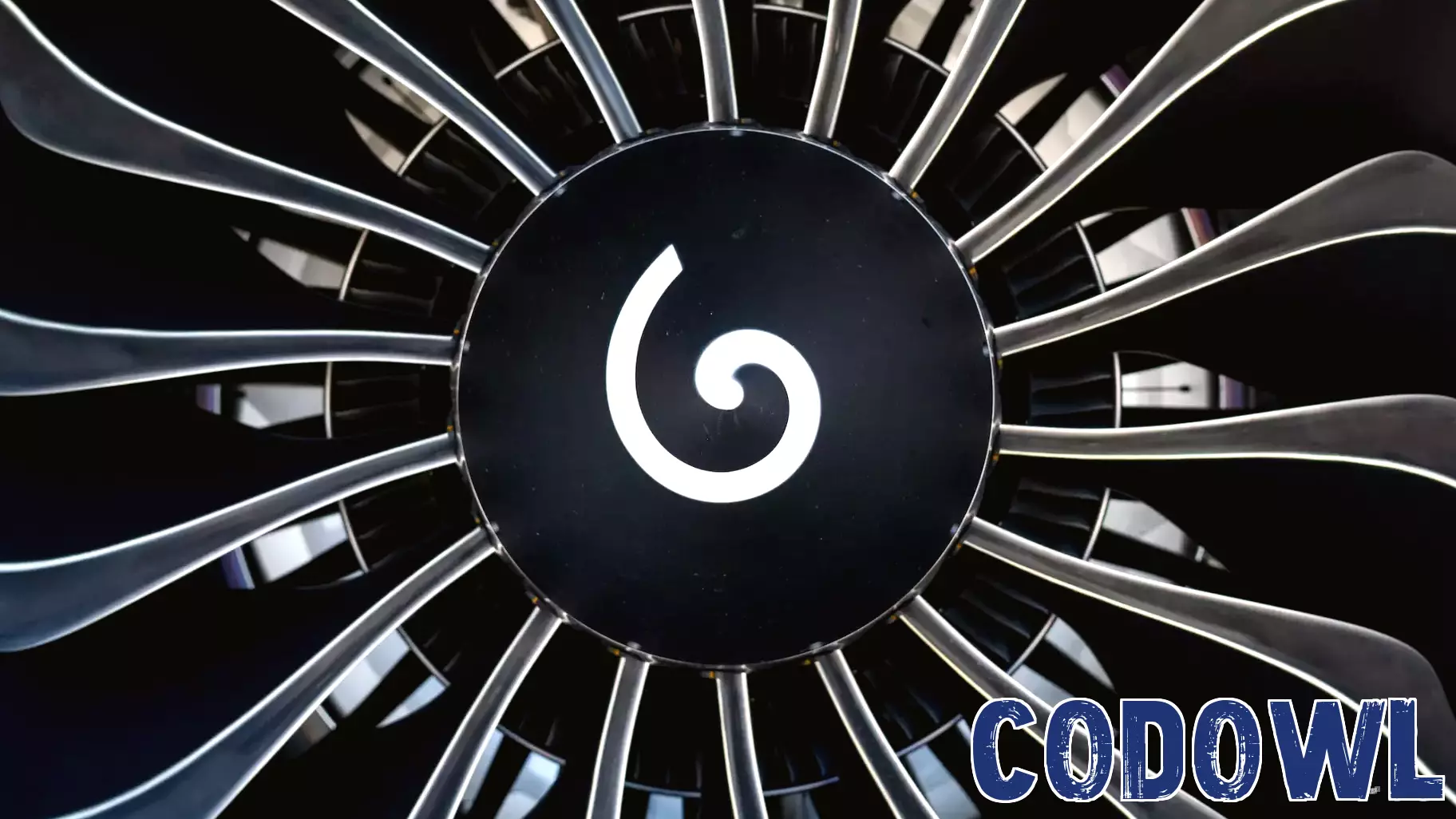
The aviation industry is facing a quiet crisis. For decades, aircraft manufacturers delivered new clean-sheet designs every ten to fifteen years, each generation bringing significant leaps in fuel efficiency, range, and passenger comfort. That cycle is broken. The next decade lacks a clear lineup of all-new airframes from the major players, and the technological breakthroughs that once defined each era are becoming rare.
Boeing's struggles with the 737 MAX and the 777X delays have pushed new development further out. Airbus, while enjoying success with the A321XLR, has not committed to a completely new narrowbody. Instead, both companies focus on incremental upgrades to existing platforms. This strategy works in the short term, but it carries a hidden cost.
The real price will be paid in environmental targets. Airlines have pledged to reach net-zero carbon emissions by 2050. That goal depends on radical improvements in propulsion and aerodynamics. Without a clean-sheet aircraft designed around next-generation engines, lightweight composite structures, and hybrid-electric systems, those targets become aspirational fiction. The current generation of aircraft, even with new engines and winglets, is reaching the limit of what incremental tweaks can achieve.
Passengers will also feel the slowdown. Cabin comfort, noise reduction, and seat design all benefit from a fresh design philosophy. Sticking with stretched or shrunk versions of 1990s-era fuselages limits what airlines can offer.
The industry is betting that hydrogen or electric propulsion will arrive in time to save the next decade. That is a risky bet. The infrastructure, certification, and energy density challenges are immense. Meanwhile, the clock is ticking. Every year without a new clean-sheet design is a year of lost efficiency that cannot be recovered. The slowdown in aviation technology will soon come at a cost, and it will be measured in both dollars and carbon.
MORE NEWS
September 18, 2026 - 12:04
Using Martian Resources to Power the Trip HomeMIT PhD candidate Lanie McKinney is working on technologies that could allow humans to explore Mars and make it back safely. Her research centers on using materials already present on the planet to...

September 17, 2026 - 19:47
Pennsylvania Adds Chip Technology to EBT Cards to Curb SNAP TheftMore than 1.7 million Pennsylvanians who receive Supplemental Nutrition Assistance Program benefits will soon receive EBT cards equipped with chip technology. The change is part of a broader effort...

September 17, 2026 - 04:44
Carbondale Area Science and Technology Club hosts STEM Night for elementary studentsMembers of the Carbondale Area High School Science and Technology Club hosted a `Blast Off to Summer` STEM Night for Carbondale Area Elementary students toward the end of the 2025-26 school year....

September 16, 2026 - 22:14
Microserve Ranks No. 4 Among B.C.'s Top Grossing Science and Technology CompaniesMicroserve has earned a significant recognition in the provincial technology sector. The company was ranked No. 4 among British Columbia`s highest revenue generating science and technology...