How Big Data is Enhancing Human Resources Management
11 May 2026
Let’s face it—HR has always been more about people than numbers. But in today’s fast-paced digital world, just relying on instinct and gut feeling doesn’t cut it anymore. That’s where big data steps in like a tech-savvy superhero, transforming how companies attract, manage, and retain talent.
So, what does that actually mean for the average HR team? It means smarter hiring, happier employees, and a whole lot less guesswork. Ready to dive into how big data is actually reshaping Human Resources Management (HRM)? Let’s break it down.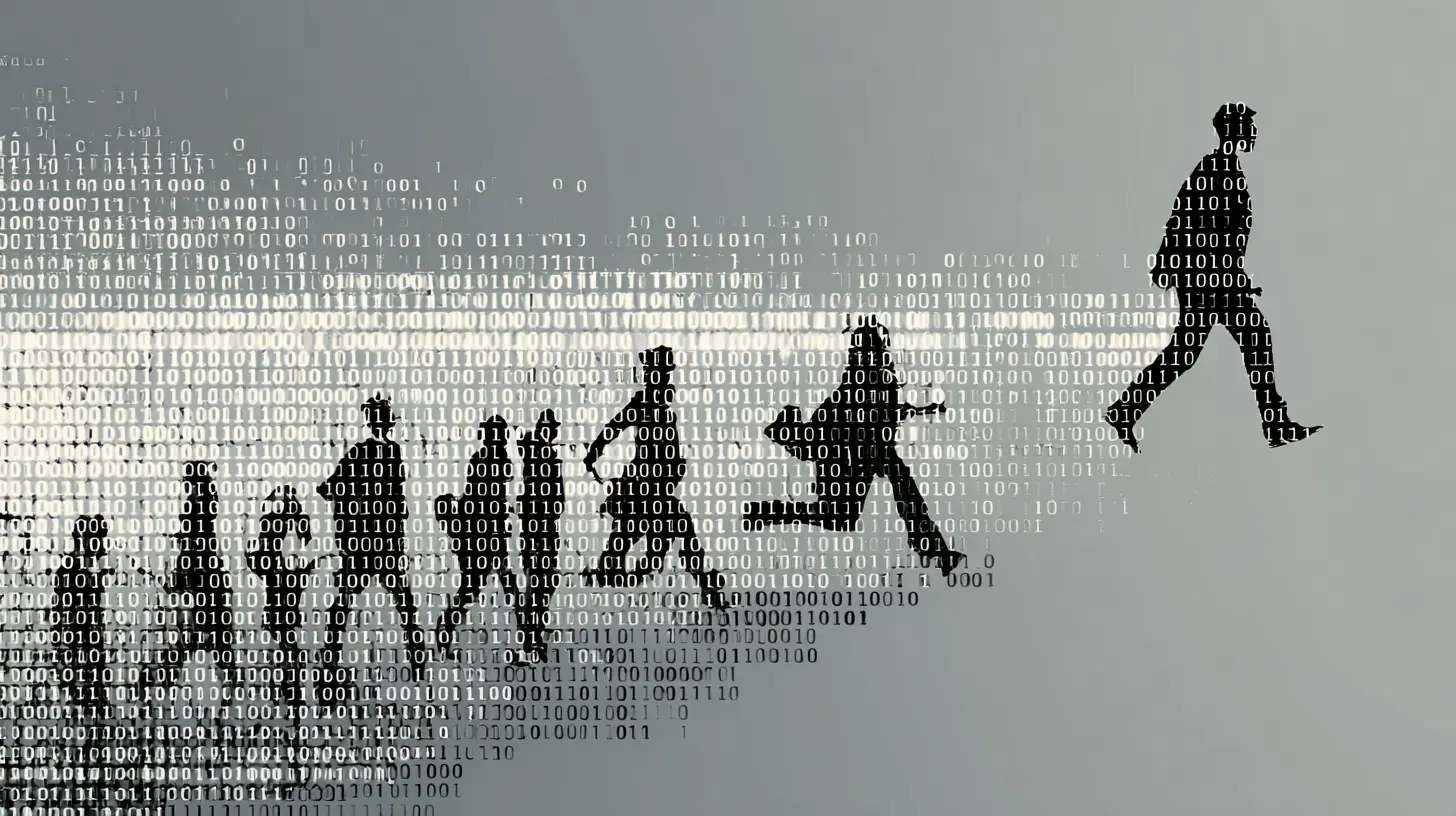
What is Big Data, Really?
Before we connect the dots between big data and HR, let’s first get our heads around what big data really is.Big data isn’t just about having loads of data—it’s about the volume, velocity, and variety of data that’s being produced every second. We're talking everything from resumes sent through email, to employee engagement scores, productivity metrics, and even Slack messages.
In short, big data is the massive ocean, and HR is learning how to surf it.
The Shift: From Gut Feelings to Data-Driven Decisions
Traditionally, HR decisions were based on experience, intuition, and a sprinkle of office politics. But big data changes the game entirely.Now, HR teams can use predictive analytics, employee sentiment analysis, and performance data to make more informed, fair, and strategic decisions. It's like going from flying blind to having a GPS for every people-related decision.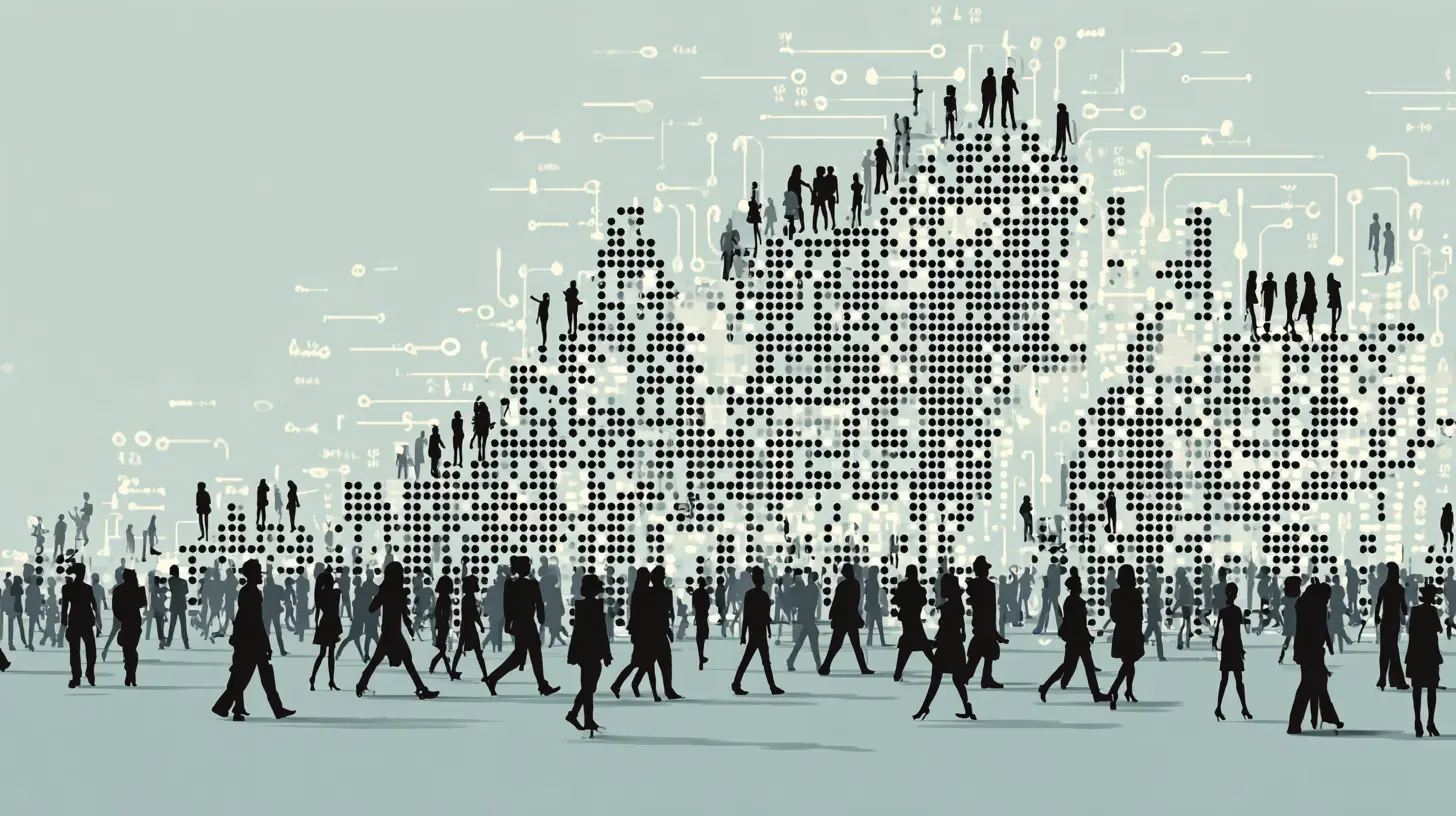
Smarter Recruitment: Finding the Right People Faster
Hiring the right person has always been a bit like dating—hit or miss. But big data takes the guesswork out of recruitment.Data-Driven Candidate Screening
Imagine sorting through thousands of resumes manually. Sounds exhausting, right? Big data tools can sift through resumes in seconds, matching keywords, skills, and even analyzing past job performances to find the best fit.Behavioral Analytics to Predict Fit
Beyond skills, companies are now using data to assess cultural fit and predict how well someone might adapt to a team. By analyzing things like social media activity, past job history patterns, or even facial recognition during interviews (yes, really), recruiters can better gauge long-term potential.Reducing Bias in Hiring
Unconscious bias is a real issue in recruitment. Big data allows for anonymized screening processes that focus purely on skills and qualifications—helping to give every candidate a fair shot.
Making Onboarding Smarter and Smoother
Let’s be honest—onboarding can be a mess. Documents flying everywhere, missed training sessions, and new employees feeling overwhelmed on day one.With big data, HR departments can personalize onboarding journeys based on the role, department, and even the learning style of the employee. Data can show which training modules lead to better performance or which employees might need extra support early on.
It’s like getting a personalized onboarding playlist—just what you need, when you need it.
Keeping Employees Engaged and Happy
A disengaged employee is a ticking time bomb for productivity. But how do you spot disengagement before it turns into a resignation letter?Sentiment Analysis and Pulse Surveys
Big data taps into employee surveys, feedback forms, and even language used in workplace chats to gauge morale. If stress levels are rising or frustrations are piling up, HR can take proactive steps before things go south.Performance Analytics
By analyzing work patterns, productivity metrics, and even break schedules, companies can get ahead of burnout and tailor well-being initiatives. Think of it as Fitbit data for your career life.Personalized Career Development
Want to keep high performers sticking around? Use data to map out their skills, potential growth paths, and create customized development plans. It’s a win-win—for the company and the employee.Improving Retention: Bye-Bye, High Turnover
Hiring is expensive, and losing good employees is even more costly. Big data helps HR teams understand why people leave—and more importantly, how to keep them.Predictive Analytics for Turnover
By analyzing trends such as attendance, engagement scores, and feedback over time, big data can predict when an employee might be about to call it quits. That gives HR the chance to intervene—maybe it's a new project, a promotion, or just a much-needed conversation.Stay Interviews Become Strategic
Instead of exit interviews happening too late, stay interviews (backed by data) can be used to strengthen employee relationships and address issues in real-time.Workforce Planning and Forecasting
Planning your future workforce without data is like trying to build IKEA furniture without the manual.Big data enables forecasting—how many new hires you’ll need, what roles will become redundant, and where the skill gaps are going to be. It’s not magic. It’s math, backed by smart machine learning algorithms.
This kind of insight helps companies stay ahead of industry changes and maintain a competitive edge.
Building a More Inclusive and Diverse Workplace
Everyone’s talking about diversity and inclusion, but how do you measure progress? Here’s where big data earns major points.Tracking Diversity Metrics
You can analyze hiring data by age, gender, ethnicity, background, and more. This helps HR spot any red flags or biases in hiring and promotion practices.Creating Accountability
When decisions are tracked and measured, leadership can be held accountable for hitting their D&I (Diversity & Inclusion) goals. That’s how real culture change happens—not just with promises, but with proof.Real-Time Feedback and Continuous Improvement
Annual reviews? Yeah, they’re pretty much becoming extinct. Employees want regular feedback, and managers need real-time data to offer it.Big data tools provide dashboards that track performance metrics over time. This means both employees and managers stay on the same page, making goals and expectations crystal clear.
And let’s be honest—who wants to wait 12 months to hear how they’re doing?
Talent Analytics: Building the Dream Team
You know those dream teams where everyone just clicks? That’s not luck—it’s alignment.Big data helps HR professionals assemble balanced teams with the right mix of skills, personalities, and work styles. Think of it like team-building via Tinder algorithms. The goal? Maximum collaboration with minimal conflict.
Challenges of Using Big Data in HR
Okay, we’ve sung a lot of praises here—but let’s keep it real. Big data isn’t a plug-and-play miracle.Data Privacy Is a Biggie
Collecting personal data can easily cross the line into creepy if not handled correctly. Companies need to have airtight data privacy policies and transparent practices.The Human Element Still Matters
No matter how intelligent your algorithm is, humans are not numbers. Empathy, ethics, and emotional intelligence still need to lead the way in any HR function.Data Overload
Too much data can be just as bad as too little. Without a clear strategy, teams can get overwhelmed, misinterpret results, or chase vanity metrics that don’t drive meaningful change.Tools and Technologies Powering the Change
To wrap your head around how big data is transforming HRM, you’ve gotta know about the tools behind the scenes. Here’s a short lineup of popular tech making waves:- Workday – Offers people analytics and forecasting
- Visier – A powerhouse for employee insights
- SAP SuccessFactors – Combines core HR with analytics
- LinkedIn Talent Insights – Uses platform data to inform hiring strategies
- Eightfold.ai – AI-based talent intelligence platform
And the list goes on. The key is picking the right tool for your company size, culture, and goals.
The Future: What’s Next for Big Data in HR?
We’re only scratching the surface here. In the near future, expect to see:- AI-driven mentorship matching
- Virtual reality onboarding
- Predictive talent pipelines
- Emotion recognition via video interviews
- Fully automated HR chatbots with personality (hopefully nice ones)
Big data isn’t replacing HR professionals. It’s evolving their role from admin-heavy taskmasters to strategic business partners.
Final Thoughts
Big data in HR isn’t a trend—it’s the new normal. And companies that embrace it are setting themselves up for smarter hiring, stronger teams, and a workplace culture that actually supports its people.HR is no longer just about people—it’s about people and powerful insights. And when those two come together? That’s when the magic really happens.
all images in this post were generated using AI tools
Category:
Big DataAuthor:

John Peterson
Discussion
rate this article
2 comments
Ashira Klein
Big data is a game changer for HR. It transforms hiring processes, enhances employee engagement, and provides actionable insights that drive performance. Organizations that harness this power will lead the way, while those stuck in old methods risk being left behind. Embrace the future.
June 4, 2026 at 4:52 AM
John Peterson
Absolutely agree. Big data is reshaping HR by improving decision-making and engagement. It's crucial for organizations to adapt and thrive in this evolving landscape.
Merida Pace
Big data transforms HR strategies for better talent management.
May 23, 2026 at 4:45 AM
John Peterson
Absolutely, big data provides valuable insights that enable more effective talent management. It helps HR teams make informed decisions and optimize their strategies.