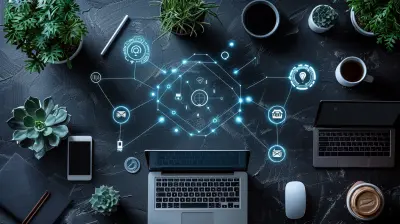
Mastering Remote Work: Essential Tools Every Freelancer Needs by 2026
10 May 2026
Let me paint you a picture. It's 2026, and you're sitting in a coworking space in Bali, a coffee shop in Buenos Aires, or maybe your own home office in a quiet suburb. Your laptop is open, your calendar is clear, and your income is flowing. Sounds like a dream, right? But here's the thing: remote work in 2026 won't look like it did in 2020. The tools we used back then-Zoom, Slack, Trello-are the old guard. They're not going away, but they're evolving fast. And if you're a freelancer trying to stay ahead, you need to know what's coming. Not just the shiny new apps, but the strategies that make them work.
I've been freelancing for years, and I've seen trends come and go like fashion cycles. Some tools stick, some vanish, and some morph into something you never expected. By 2026, the landscape will be shaped by AI integration, hyper-specialization, and a deeper push for work-life balance. So let's break down the essential tools every freelancer needs to master by then. No fluff, no buzzwords you've heard a hundred times. Just real, actionable insights.

The New Foundation: Beyond Basic Communication
You know the basics: email, Slack, maybe WhatsApp for clients. But by 2026, communication tools will be smarter, more contextual, and frankly, less annoying. Think about it: how many times have you lost a thread in a long Slack channel? Or sent an email that got buried? The solution isn't more apps-it's better integration.AI-Powered Inbox Management
By 2026, your email client will do more than filter spam. Tools like Superhuman or the upcoming AI-driven variants will prioritize messages based on your client relationships, project deadlines, and even your mood. Imagine an inbox that knows you're in deep focus mode and holds non-urgent emails until 4 PM. That's not a fantasy-it's coming. For freelancers, this means less cognitive load. You'll spend energy on work, not on sorting through 50 emails about the same project.Asynchronous Video Messaging
Real-time meetings are dying. Why? Because they're inefficient. By 2026, tools like Loom, Grain, or their successors will dominate. You send a quick video update, the client watches it on their own time, and they reply with a video or text. No scheduling, no "can you hear me now." This is huge for freelancers working across time zones. It's like having a conversation that doesn't interrupt your flow.Contextual Collaboration Hubs
Slack is great, but it's noisy. The next generation of collaboration tools will create "rooms" that auto-generate based on projects. For example, you start a client project, and a dedicated space appears with chat, file sharing, task lists, and a timeline-all linked to your calendar. No more switching between five apps to find a contract version. Think of it as a digital war room that cleans itself up after the battle.
Project Management That Doesn't Feel Like Admin Work
Let's be honest: project management tools often feel like a second job. You spend more time updating statuses than actually working. By 2026, that changes. The key is automation and predictive intelligence.AI That Anticipates Bottlenecks
Tools like Asana, Monday.com, and Notion are already adding AI features. But by 2026, they'll predict delays before they happen. For instance, if you're a freelance designer and you always miss deadlines when you take on more than three projects, the tool will flag that. It'll suggest rebalancing your workload or extending timelines. It's like having a project manager who only works for you.Minimalist Kanban for Solo Workers
Not all freelancers need complex Gantt charts. For solo workers, tools like Todoist or TickTick will evolve into "smart lists" that learn your work patterns. You tell it "I need to finish this article by Friday," and it breaks down the steps, estimates time, and adjusts as you go. No dragging cards across columns. Just a simple, adaptive list that feels like a personal assistant.Time Tracking That Doesn't Suck
Toggl and Harvest are fine, but they're reactive. By 2026, time tracking will be proactive. Your tools will track time automatically based on what you're doing-writing, coding, designing-and categorize it for billing. No more "I forgot to start the timer." Plus, they'll analyze your most productive hours and suggest scheduling high-focus work during those windows. It's like having a coach who knows your rhythm.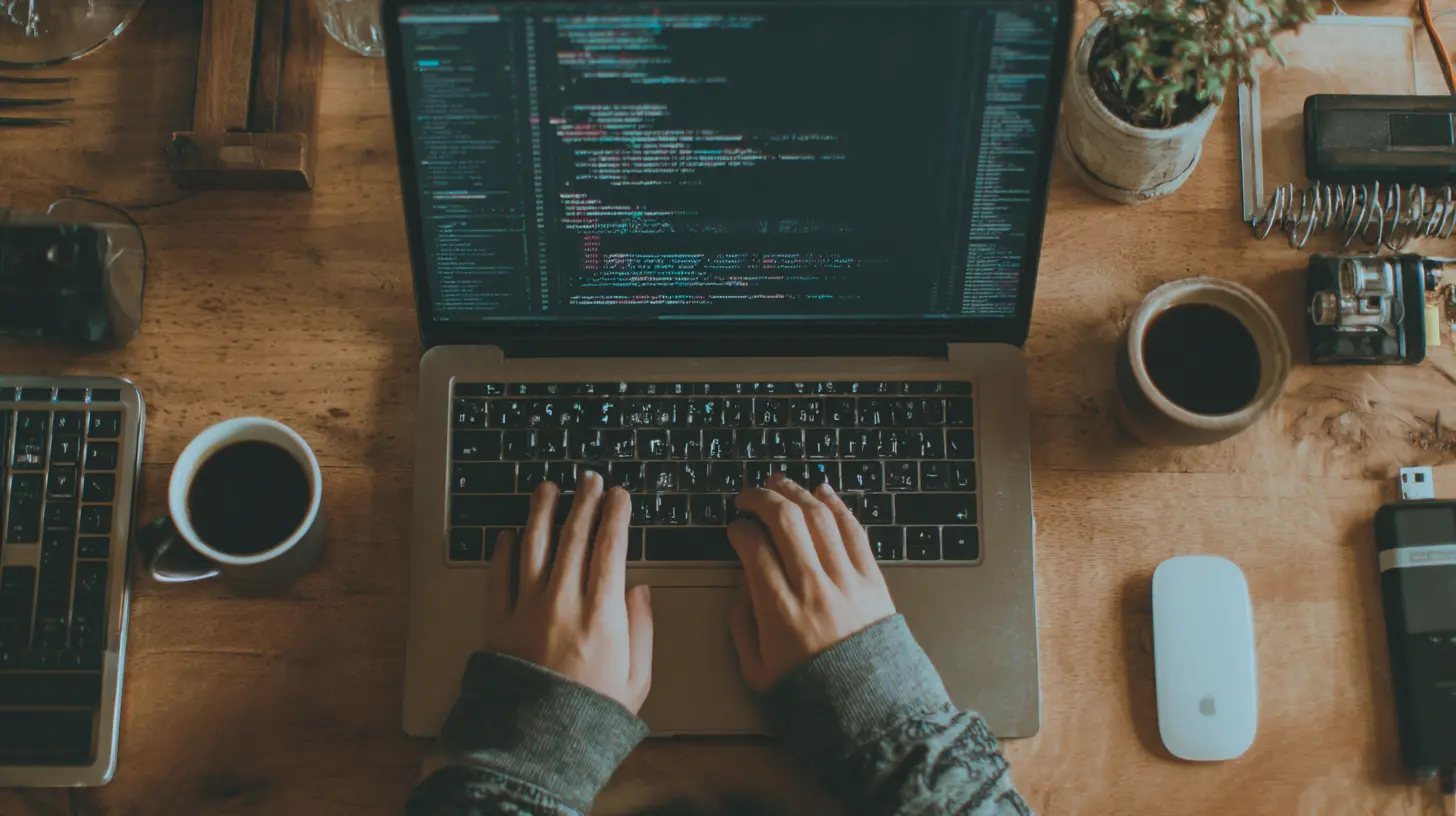
Financial Tools for the Freelance Hustle
Money management is the least fun part of freelancing, but it's where many fail. By 2026, financial tools will be more integrated and less intimidating.Unified Invoicing and Payment Platforms
Stripe, PayPal, and Wise are merging features. Expect a single dashboard where you send invoices, accept payments in multiple currencies, and get tax reports automatically. Some platforms will even offer "smart contracts" that release payment when you deliver a milestone. No more chasing clients for wire transfers. It's like having a bank that understands freelancers.Predictive Tax Planning
Tax season is a nightmare for most freelancers. By 2026, tools like Keeper or Bench will use AI to estimate your quarterly taxes based on your income trends. They'll also flag deductions you might miss-like that new monitor you bought. The goal is to make taxes feel like a minor chore, not a crisis.Subscription Cost Management
Freelancers love subscriptions, but they add up. Tools like Truebill or Rocket Money will evolve to analyze your SaaS usage. If you haven't used a tool in 60 days, it suggests canceling. It'll even negotiate lower rates for you. Think of it as a personal shopper for your software stack.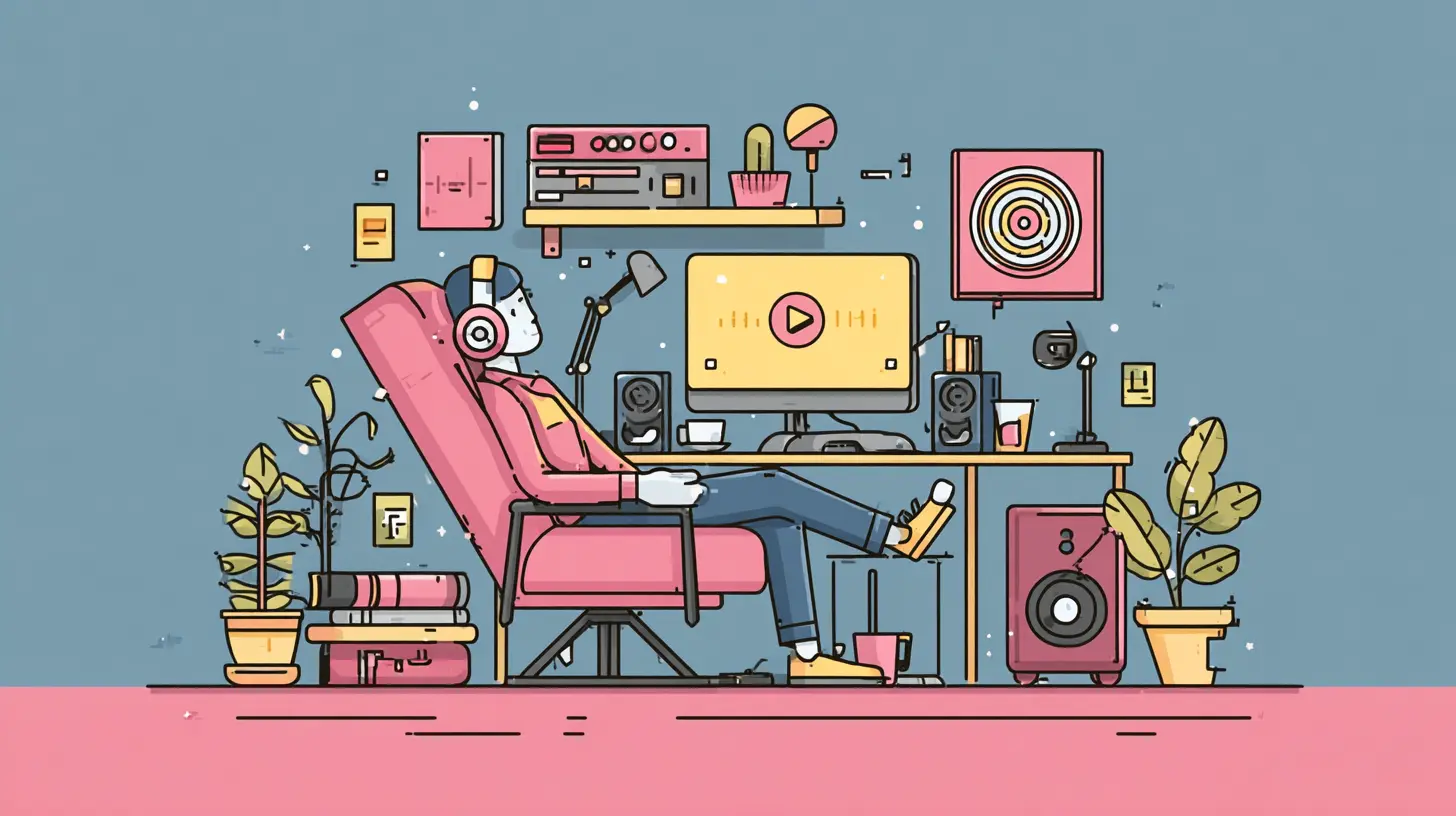
The Remote Workspace: Physical and Digital
Your environment matters more than you think. By 2026, the line between physical and digital workspaces will blur.Ergonomic Tech That Adapts to You
Monitors that auto-adjust brightness based on the time of day. Chairs that sense your posture and nudge you to sit straight. Keyboards that learn your typing style. These aren't gimmicks-they're productivity boosters. For freelancers, investing in ergonomics isn't optional. It's the difference between a 5-year career and a 20-year one.Virtual Coworking Spaces
Loneliness is a real issue for remote workers. By 2026, virtual coworking platforms like Focusmate or Flow Club will use AR to create shared environments. Imagine working "next to" a freelancer in Tokyo while you're in London. You can chat, share screens, or just enjoy the silent company. It's like having a coffee shop without the noise.Digital Decluttering Tools
Your desktop is a mess, admit it. By 2026, AI-driven tools will organize files automatically. They'll sort by project, archive old versions, and even suggest file names. No more "final_v3_actual.docx" chaos. It's like having a digital housekeeper.AI as Your Co-Pilot, Not Your Replacement
Let's address the elephant in the room: AI. By 2026, AI won't replace freelancers, but it will change how we work. The key is to use it as a multiplier, not a crutch.Writing and Content Generation
Tools like ChatGPT or Jasper are already popular, but by 2026, they'll be specialized. For writers, AI will handle research, outlines, and first drafts, but the human touch-voice, nuance, storytelling-will remain essential. Think of AI as a junior writer who never sleeps. You still do the heavy lifting.Code and Design Assistance
For developers and designers, AI will generate boilerplate code, suggest layouts, and debug errors. Tools like GitHub Copilot and Figma's AI features will be standard. But creativity and problem-solving? Still human. AI can't understand why a client wants a purple logo with a dolphin. That's your job.Meeting Summaries and Action Items
AI will listen to your calls and create summaries, action items, and follow-up emails. No more taking notes during a brainstorm. You can focus on the conversation, and the AI handles the paperwork. It's like having a secretary who works for free.
Security and Privacy: Non-Negotiable
Remote work exposes you to risks. By 2026, security tools will be simpler and more robust.Passwordless Authentication
Passwords are dying. Biometrics, hardware keys, and face recognition will replace them. Tools like 1Password or Bitwarden will evolve to manage these seamlessly. You'll log in with a glance or a tap.VPNs That Don't Slow You Down
Old VPNs were clunky. By 2026, services like NordVPN or ExpressVPN will optimize for speed and integrate with your workflow. They'll auto-connect when you're on public Wi-Fi and disconnect when you're safe. No more forgetting to turn it on.Client Data Protection
Freelancers often handle sensitive data. By 2026, tools like Tresorit or Sync will offer end-to-end encryption with zero-knowledge policies. You control who sees what, and the platform can't access it. Peace of mind, basically.The Human Element: Tools for Well-being
You can't master remote work if you're burned out. By 2026, mental health tools will be as common as project management ones.Focus Enhancers and Pomodoro Apps
Apps like Forest or Focus Keeper will integrate with your calendar. They'll block distractions during deep work and suggest breaks based on your heart rate or screen time. It's like a fitness tracker for your brain.Virtual Social Connections
Tools like Donut or Lunchclub will match you with other freelancers for virtual coffee chats. Not networking, but genuine connection. You might find a collaborator, a mentor, or just a friend. Isolation is a silent killer-these tools fight it.Sleep and Recovery Trackers
Wearables like Oura Ring or Apple Watch will sync with your work tools. If you had a bad night's sleep, your calendar will automatically adjust to lighter tasks. It's like giving yourself permission to rest.
Putting It All Together: A Day in 2026
Let me walk you through a hypothetical day. You wake up, check your wearable-sleep score is 85. Your calendar adjusts: deep work starts at 10 AM, not 9. You open your AI inbox, which has already sorted emails. One client sent a video update via Loom. You watch it, reply with a quick voice note. Your project management tool flags a potential delay on a design project-you've been spending too much time on admin. It suggests automating invoice reminders. You agree. You spend two hours on high-focus work, then a virtual coworking session at 2 PM. You're "sitting" next to a UX designer from Brazil. You chat for five minutes, then work in silence. At 4 PM, your time tracker shows you're at 80% of your target. You stop. Your AI has already drafted the client email for tomorrow.Sound like science fiction? It's not. These tools exist in some form today. By 2026, they'll be refined, integrated, and affordable. The freelancers who master them will have an edge. They'll work less, earn more, and feel better.
Final Thoughts: Don't Wait for 2026
Here's the truth: you don't need to wait for 2026 to start. The tools are evolving now. Start experimenting. Try one new tool this week. Ditch the ones that drain you. Remember, the goal isn't to use every gadget-it's to build a system that frees you to do your best work. Remote work is a marathon, not a sprint. And the right tools are your running shoes.So, what's your first step? Maybe it's testing an AI inbox. Maybe it's trying a virtual coworking session. Or maybe it's just deleting half the apps on your phone. Whatever it is, start today. Because by 2026, the freelancers who thrive won't be the ones with the most tools. They'll be the ones who use the right tools, at the right time, for the right reasons.
And that's a future worth mastering.
all images in this post were generated using AI tools
Category:
Tech For FreelancersAuthor:

John Peterson
Discussion
rate this article
2 comments
Maggie Summers
This article highlights crucial tools for freelancers adapting to the remote work landscape. Staying updated on technology and communication platforms is key for productivity and collaboration in 2026.
June 11, 2026 at 3:00 AM
John Peterson
Thanks for your insights! Staying ahead with the right tools is essential for success in the evolving remote work environment.
Winter McKeehan
Great insights! It's crucial for freelancers to stay ahead with the right tools. Your recommendations are spot on and will definitely help many navigate the remote work landscape in the coming years. Keep up the great work!
May 14, 2026 at 4:46 AM
John Peterson
Thanks for the kind words! I'm glad you found the tools helpful. Staying ahead is key for freelancers.