The Future of Clean Energy: Solar Paint and Beyond
5 February 2026
Let’s be honest, we’ve all heard about solar panels. You know, those big shiny plates you often see on rooftops soaking up sunlight and converting it into electricity. But there’s a new kid on the block, and it could revolutionize the way we think about clean energy: solar paint. Yes, you heard that right—paint that can generate electricity! The future of clean energy is moving beyond just traditional solar panels. It’s venturing into exciting realms like solar paint, hydrogen fuels, and even bioenergy. So, let’s dive into what this all means and why you should care.

The Revolution of Solar Paint
Imagine painting your house, and instead of just changing its color, you’re also turning it into a mini power plant. That’s the magic of solar paint. It’s not just a futuristic concept anymore; scientists and engineers are actively working on it, and it’s closer to becoming a reality than you might think.How Solar Paint Works
But how does it even work? Solar paint contains photovoltaic (PV) materials, much like regular solar panels. These materials absorb sunlight and convert it into electricity. The difference is, instead of being in a bulky panel, these PV materials are integrated into a liquid form that you can paint onto surfaces. It’s like slapping a layer of electricity-generating magic onto your walls.There are different types of solar paints being developed, but one of the most promising kinds is hydrogen-based solar paint. This paint can absorb moisture from the air and split it into hydrogen and oxygen. The hydrogen can then be used as a clean fuel. Pretty sci-fi, right?
Why Solar Paint is a Game-Changer
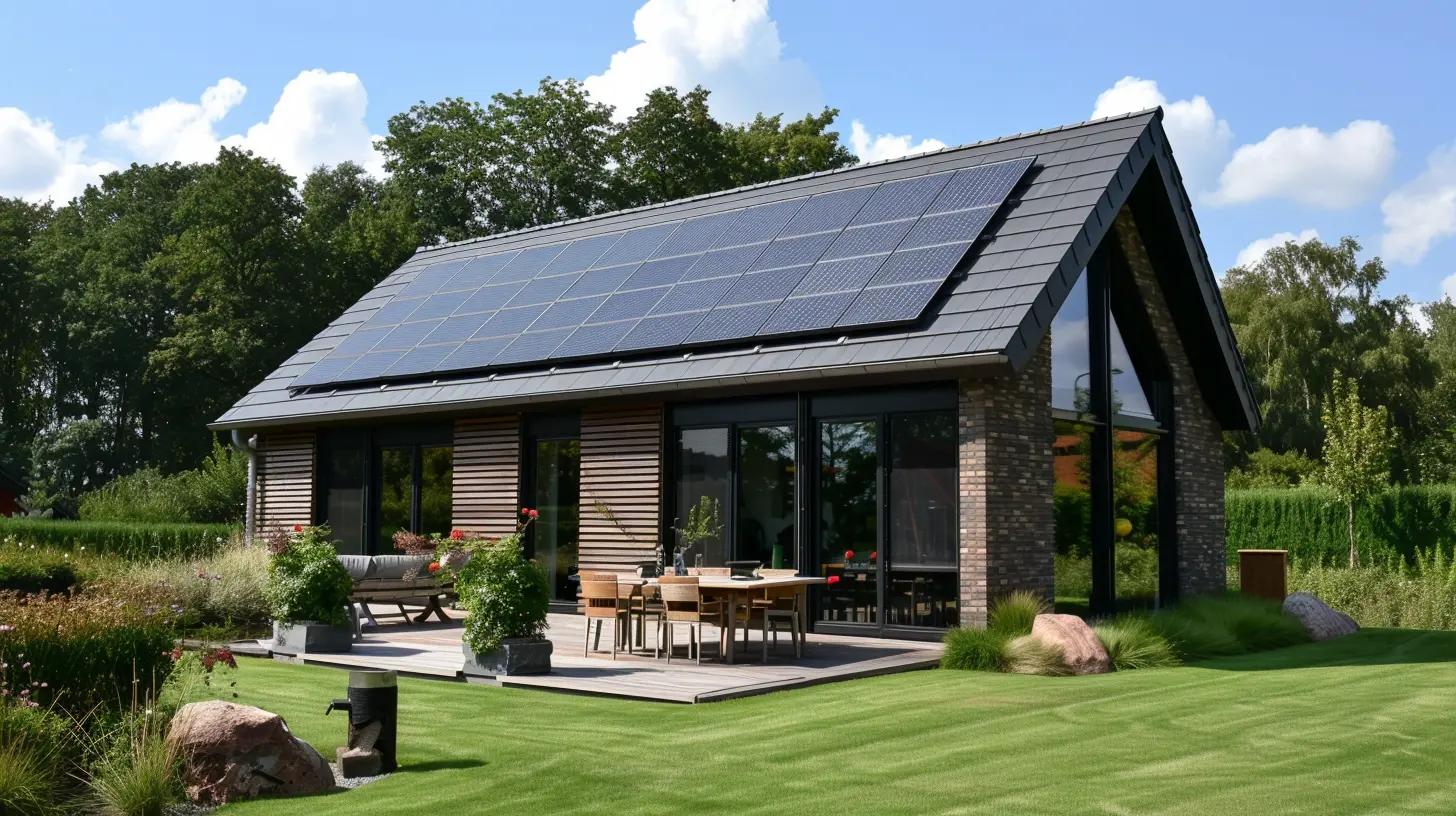
Now, why is solar paint such a big deal? First off, it offers a lot of flexibility. You're no longer restricted to placing solar panels only on rooftops. You could paint entire buildings, cars, or even bridges with solar paint. It’s lightweight, can cover a wider range of surfaces, and could be much cheaper to produce and install than conventional solar panels.Plus, solar paint could help solve some of the aesthetic issues people have with solar panels. Let’s face it, not everyone likes the look of big, bulky panels on their roofs. Solar paint, on the other hand, is virtually invisible. You get all the benefits of solar energy without altering the appearance of your home or building.
The Challenges Ahead
Of course, like any new technology, solar paint isn’t without its challenges. One of the biggest hurdles is efficiency. Currently, solar paint doesn’t generate as much electricity as traditional solar panels. Researchers are working hard to improve this, but it could take a few more years before solar paint reaches a level where it’s commercially viable and efficient enough to power homes on a large scale.Another issue is durability. Paint is, by its nature, more prone to wear and tear than solar panels. So, researchers are also focusing on making the paint durable enough to withstand harsh weather conditions without losing its efficiency.

Beyond Solar Paint: Other Exciting Clean Energy Innovations
While solar paint is grabbing headlines, it’s just one piece of the clean energy puzzle. There are several other technologies worth keeping an eye on as we look toward a greener future. Let’s take a look at some of these:1. Perovskite Solar Cells
If solar paint sounds like a leap forward, then perovskite solar cells are the next giant step. These solar cells are made from a material called perovskite, which is cheaper and easier to produce than the silicon used in traditional solar panels. What’s even more exciting is that perovskite solar cells can be made flexible, meaning they can be applied to curved surfaces or even integrated into windows and fabrics.Imagine a world where your clothes or the glass windows of your office building could generate electricity. It’s not as far-fetched as it sounds. Researchers believe that perovskite solar cells could achieve this kind of integration within the next decade.
2. Hydrogen Fuel Cells
Hydrogen fuel has been talked about for years, but we’re finally seeing some real-world applications. Essentially, hydrogen fuel cells convert hydrogen into electricity, and the only byproduct is water vapor, making it an incredibly clean source of power.One of the most exciting areas for hydrogen fuel cells is in transportation. Electric cars are great, but they still rely on lithium-ion batteries, which have their own environmental costs. Hydrogen-powered vehicles, on the other hand, could be a cleaner alternative, and they might even offer longer ranges and quicker refueling times compared to electric cars.
3. Bioenergy
Let’s switch gears for a second and talk about bioenergy. This form of energy is generated from organic matter like plants, wood, and even food waste. It’s renewable, and it can be used to produce electricity, heat, and even biofuels.One promising area is the development of algae biofuels. Algae grow quickly and can produce a high amount of energy per square meter. Plus, it absorbs CO2 as it grows, making it an excellent candidate for combating climate change. While not as flashy as solar paint or hydrogen fuel, bioenergy has a lot of potential as a reliable and sustainable energy source.
4. Energy Storage Systems
As renewable energy technologies like solar paint and hydrogen fuel advance, the need for better energy storage solutions becomes more pressing. After all, the sun doesn’t shine at night, and wind turbines don’t always spin. This is where energy storage systems, such as advanced batteries, come in.One exciting development in this space is the advent of liquid metal batteries. These batteries are cheaper to produce, can store large amounts of energy, and are highly durable. They could be the key to making renewable energy available 24/7, regardless of weather conditions.
5. Smart Grids
While we’re on the subject of energy, let’s not forget about how we distribute it. Traditional power grids are designed for a one-way flow of electricity—from power plants to homes. But as we incorporate more renewable energy sources, we’ll need smarter grids that can handle two-way energy flows. Enter smart grids.Smart grids use sensors, automation, and data analytics to optimize energy distribution. They can predict energy demand, manage energy storage, and even allow households to sell excess energy back to the grid. In a future where solar paint covers entire cities, smart grids will be essential for managing all that decentralized power generation.

What Does the Future Hold?
It’s clear that the future of clean energy is bright—pun intended. Solar paint might be one of the most exciting innovations, but it’s just the tip of the iceberg. From hydrogen fuel cells to bioenergy and smart grids, the clean energy landscape is evolving at breakneck speed.One of the most thrilling things about these technologies is their potential to democratize energy production. Imagine a world where everyone can generate their own power, whether it's through solar paint, biofuels, or even wearable solar cells. We could move away from huge, centralized power plants and toward a more decentralized, resilient energy grid.
But there’s still a long way to go. Many of these technologies are still in their infancy, and there are significant scientific, economic, and regulatory hurdles to overcome. However, with continued investment and research, we’re on the path to a cleaner, more sustainable future.
Why Should You Care?
At this point, you might be thinking, "Okay, all of this sounds cool, but why should I care?" Fair question! The simple answer is, clean energy solutions like solar paint and beyond aren't just about saving the planet—they're about shaping a better future for all of us. These innovations could lower our electricity bills, improve air quality, and create new jobs in industries that don’t harm the environment.Plus, the urgency for clean energy is more significant than ever. Climate change isn’t slowing down, and we need to transition to renewable energy sources fast if we want to mitigate its worst impacts. Solar paint, hydrogen fuel cells, and other clean energy technologies could be the key to making that transition happen.
Conclusion
The future of clean energy is packed with exciting possibilities. Solar paint might seem like something straight out of a science fiction novel, but it could soon be a reality. And it’s just one of many game-changing innovations on the horizon. From perovskite solar cells to hydrogen fuel and bioenergy, the options for clean, renewable energy are expanding rapidly.So, the next time you think about energy, don’t just picture solar panels or wind turbines. Think bigger. Think brighter. The future of clean energy is coming—and it’s going to be pretty amazing.
all images in this post were generated using AI tools
Category:
Future TechAuthor:

John Peterson
Discussion
rate this article
2 comments
Zephyrian McClintock
This article highlights exciting innovations in clean energy, particularly solar paint. It’s a game-changer for sustainable living, offering potential for widespread adoption. Let’s hope for continued advancements that make renewable energy accessible for everyone.
March 9, 2026 at 4:15 AM
John Peterson
Thank you for your insights! I share your optimism about solar paint and its potential to transform sustainable living. Exciting times ahead for renewable energy!
Caleb Wood
Solar paint? Love it! Finally, a way to make our homes greener while keeping our style intact. If only getting rid of old tech was as easy! Bring on the clean energy revolution!
February 8, 2026 at 4:33 AM
John Peterson
Thank you! We're excited about the potential of solar paint to blend aesthetics with sustainability. Here's to embracing a cleaner, greener future!