The Role of Ultrabooks in the Future of Education Technology
30 June 2026
Education and technology have become inseparable in today’s fast-paced digital world. The old days of lugging around heavy textbooks and scribbling away in notebooks are slowly fading. Instead, students now rely on sleek, lightweight, and ultra-powerful machines—Ultrabooks.
But what exactly makes Ultrabooks the future of education technology? Are they just another fancy gadget, or do they bring real value to learning? Let’s dive into how these compact powerhouses are reshaping the classroom and why they might be the ultimate tool for students and educators alike. 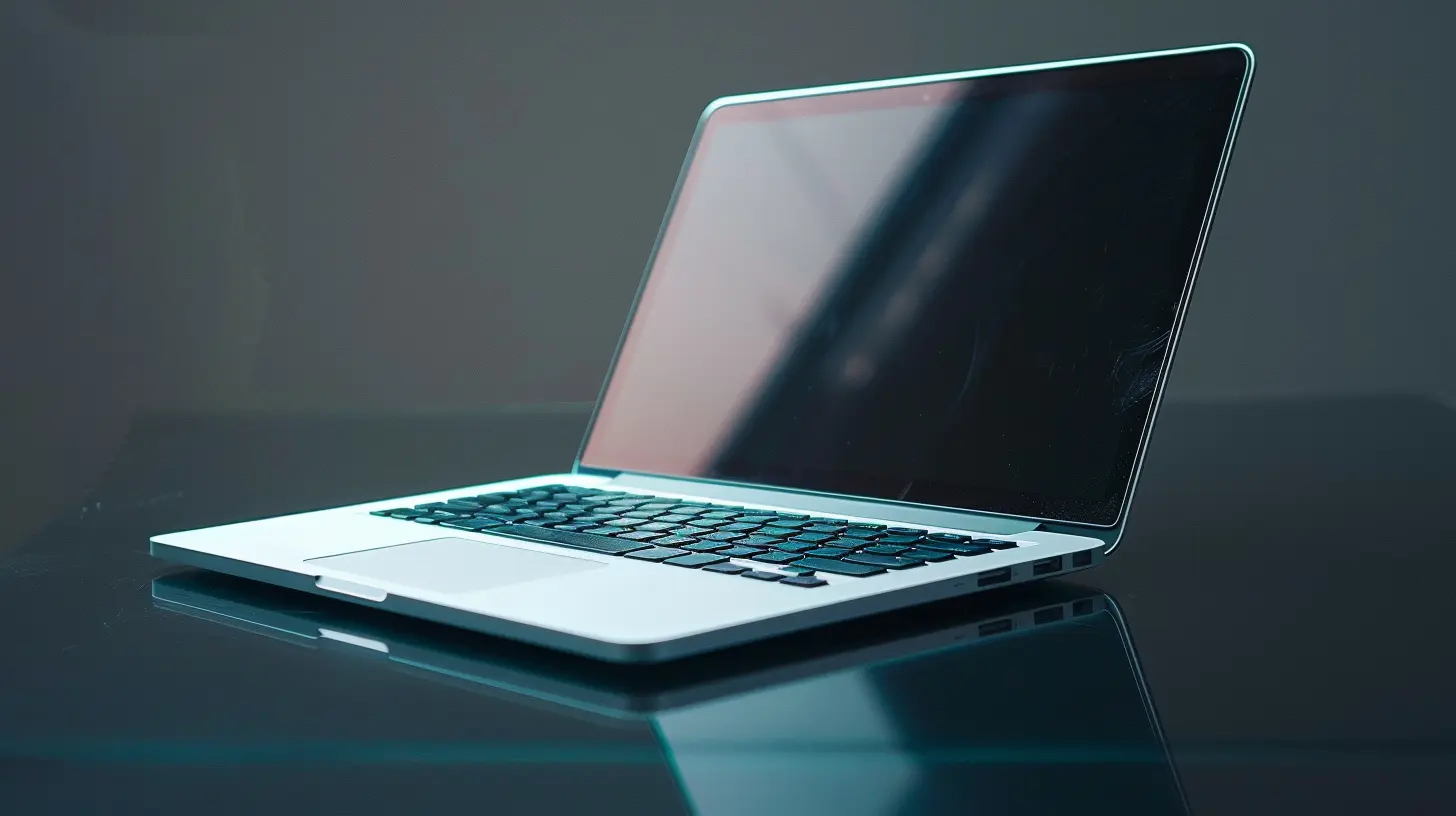
What Are Ultrabooks?
Before we go any further, let’s get the basics straight. Ultrabooks are a category of thin, lightweight, yet powerful laptops designed to deliver high performance without sacrificing portability. Intel coined the term "Ultrabook" to define a new breed of laptops that balance speed, efficiency, and convenience.Think of them as the sleek sports cars of the laptop world—fast, efficient, and designed to perform without unnecessary bulk.
Key Features of Ultrabooks:
✔ Lightweight Design – Usually under 3 lbs, perfect for a student’s backpack.✔ Long Battery Life – Won’t die on you mid-lecture.
✔ Fast Performance – Thanks to SSDs and high-speed processors.
✔ Touchscreen Options – Ideal for interactive learning.
✔ Great Connectivity – USB-C, Wi-Fi 6, and Bluetooth capabilities.
Now that we know what Ultrabooks bring to the table, let’s talk about how they fit into the future of education. 
Why Ultrabooks Are Perfect for Modern Education
1. Portability: The Savior of Students’ Backs
Let’s be real—carrying a heavy laptop around campus is a nightmare. Add textbooks, notebooks, and a charger, and you’ve got yourself a mini workout.Ultrabooks solve this problem by being incredibly lightweight. Most models weigh less than 3 pounds, making them a perfect companion for students who are constantly on the move. No more back pain, just smooth, effortless learning.
2. Battery Life That Keeps Up With a Busy Schedule
Ever been in class, frantically taking notes, and then—bam! Your laptop dies. Now, you’re stuck scrambling for an outlet or asking your friend to share their notes.Ultrabooks crush this problem with all-day battery life. Many models offer 8–12 hours of juice on a single charge, meaning students can go from lectures to study sessions without worrying about plugging in.
3. Speed and Performance: No Patience Required
Waiting for a slow laptop to boot up is like watching paint dry. Students don’t have time for that.With SSD storage, Intel Core processors, and ample RAM, Ultrabooks boot up almost instantly and can handle multiple tasks seamlessly. Whether you're juggling a dozen browser tabs, running coding software, or editing a video for a project, these machines can handle it all without breaking a sweat.
4. Interactive and Touchscreen-Friendly Learning
Education is shifting toward digital and interactive learning experiences. Ultrabooks equipped with touchscreens and stylus support allow students to take notes, annotate PDFs, and even sketch diagrams effortlessly.Gone are the days of scribbling illegible notes. With digital note-taking apps like OneNote or Evernote, students can organize and access their notes with ease.
5. Better Connectivity for Hybrid Learning
With online learning becoming more common, having a laptop that can support seamless video calls, cloud storage, and collaboration tools is essential.Ultrabooks often come with Wi-Fi 6 and Bluetooth 5.0, making them perfect for Zoom calls, Google Classroom, and real-time collaboration on platforms like Microsoft Teams or Slack. 
Ultrabooks vs. Traditional Laptops: Which One Wins?
| Feature | Ultrabooks | Traditional Laptops ||-------------------|------------|----------------------|
| Weight | Ultralight (less than 3 lbs) | Heavier (4-6 lbs) |
| Battery Life | 8–12 hours | 4–6 hours |
| Performance | Fast SSDs & efficient processors | Often slower HDDs |
| Portability | Super slim & travel-friendly | Bulky & less portable |
| Price | Slightly pricier | More budget options |
While traditional laptops still have their advantages (especially in affordability), Ultrabooks deliver the better overall experience for students who need a reliable, lightweight, and powerful device. 
Are Ultrabooks the Future of Education Technology?
With technology evolving at breakneck speed, Ultrabooks are set to play an even bigger role in education. Here’s why:1. AI-Optimized Learning Tools
As Ultrabooks get smarter, they’ll integrate AI-powered tools for personalized learning, like real-time transcriptions, automated note summaries, and even intelligent tutoring systems.2. Cloud-Based Classrooms
With cloud storage and faster internet speeds, students can work on projects anywhere—no need for bulky external drives. Google Drive, OneDrive, and Dropbox make collaboration effortless.3. Sustainability & Eco-Friendly Tech
Modern Ultrabooks are being built with a strong emphasis on energy efficiency and recyclable materials, aligning with schools’ efforts to promote sustainable education technology.4. Augmented Reality (AR) & Virtual Reality (VR)
Imagine learning history by virtually walking through ancient Rome or practicing chemistry experiments in a virtual lab. With Ultrabooks getting more powerful, they could soon handle AR and VR educational applications with ease.Final Thoughts: Should Students Invest in an Ultrabook?
So, are Ultrabooks worth it? If you’re a student or educator, the answer is a resounding YES.They offer the perfect combination of portability, speed, battery life, and versatility, making them ideal for modern education. Sure, they might be a bit pricier than traditional laptops, but their benefits far outweigh the cost.
In short, Ultrabooks aren’t just a passing trend—they’re shaping the future of education technology.
If you’re ready to ditch the heavy backpacks, slow boot-up times, and clunky laptops, maybe an Ultrabook is your next best investment!
all images in this post were generated using AI tools
Category:
UltrabooksAuthor:

John Peterson
Discussion
rate this article
1 comments
Raelyn Dorsey
Ultrabooks could transform education by combining portability with power, making learning more accessible. Their role in classrooms will be crucial as tech continues to evolve.
July 9, 2026 at 2:57 AM
John Peterson
Absolutely! Ultrabooks can enhance the learning experience by providing students with lightweight yet powerful tools, making education more engaging and accessible. Their impact in classrooms is definitely on the rise.