Why Voice Assistants Will Be Crucial for Freelancers by 2026
30 April 2026
Let’s be honest for a second: if you’re a freelancer right now, you’re probably drowning in a sea of tabs, notifications, and to-do lists that seem to multiply like rabbits on caffeine. You’ve got client emails pinging, deadlines looming, invoices to chase, and that one project you keep telling yourself you’ll start “tomorrow.” Sound familiar? Now, imagine a world where you don’t have to type a single command, open a single app, or even look at a screen to get half of that done. That world isn’t some distant sci-fi fantasy—it’s 2026, and it’s being built around your voice.
By 2026, voice assistants won’t just be a novelty for setting timers or playing your favorite playlist. They’ll be the secret weapon that separates the overwhelmed freelancer from the one who’s actually getting eight hours of sleep. Why? Because the freelance economy is exploding, and with it comes a desperate need for efficiency. You’re not just a writer, designer, or coder anymore—you’re your own CEO, accountant, marketer, and customer support rep. You need a co-pilot, and that co-pilot is going to live in your earbuds, your smartwatch, and your laptop’s microphone.
But don’t take my word for it. Let’s unpack why voice assistants are about to become the most crucial tool in your freelance arsenal, and why 2026 is the year the conversation changes from “nice-to-have” to “can’t-live-without.”
The Freelancer’s Paradox: More Freedom, Less Time
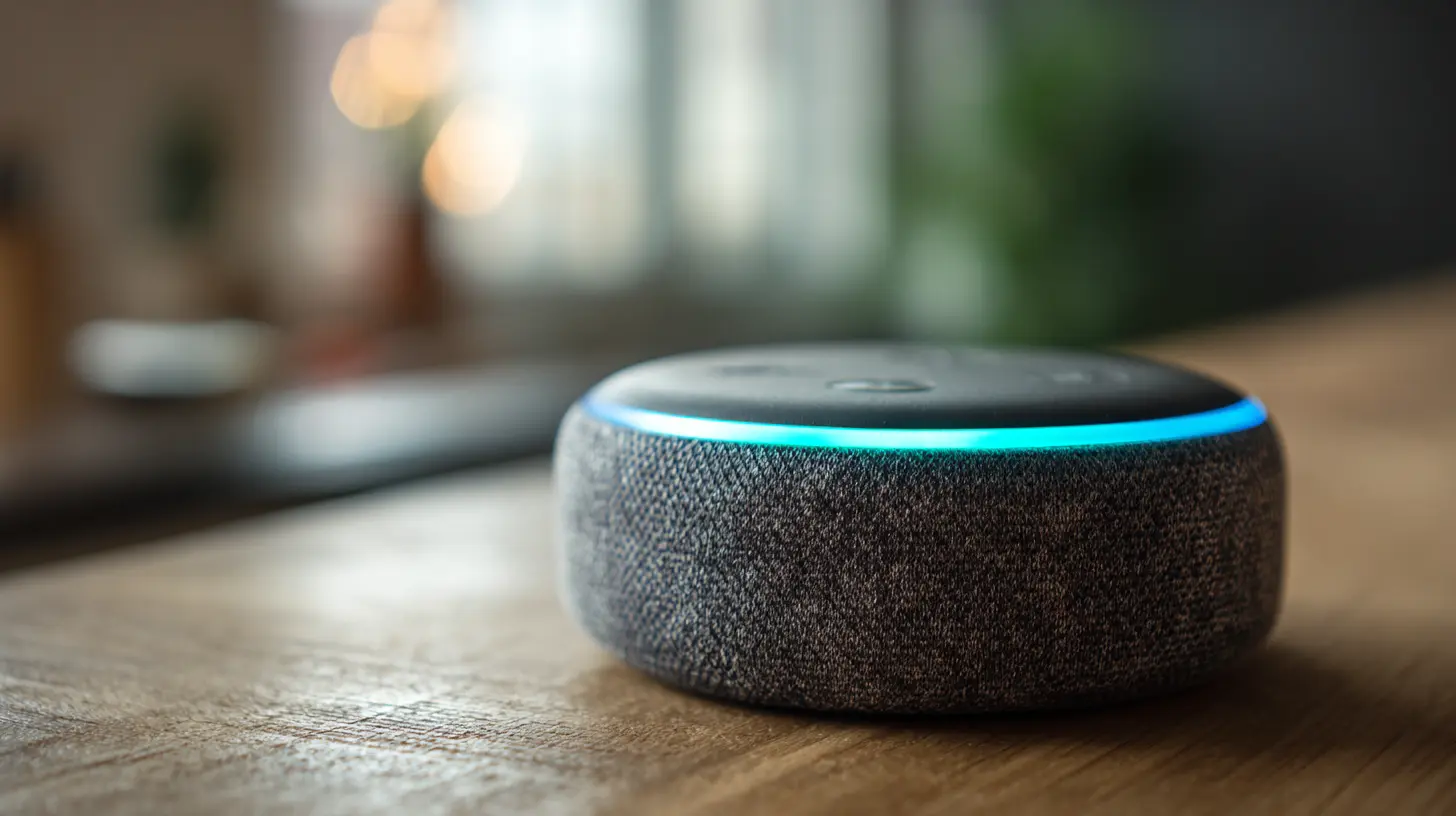
Here’s the dirty little secret about freelancing: you traded a boss for a thousand mini-bosses. Every client is a stakeholder. Every deadline is a fire drill. And every minute you spend clicking through menus or typing out repetitive emails is a minute you’re not billing. According to a 2023 study by Upwork, freelancers spend nearly 40% of their workday on administrative tasks—not actual client work. That’s like a chef spending half their shift washing dishes instead of cooking. It’s insane, right?Voice assistants are the cure for this paradox. They strip away the friction of interaction. Instead of opening a calendar app, finding the right date, typing “Meeting with Sarah,” and setting a reminder, you just say, “Hey, schedule a meeting with Sarah for next Tuesday at 2 p.m.” Done. That’s three seconds versus thirty. Multiply that by the dozens of small tasks you do daily, and you’ve just reclaimed an hour of your life. By 2026, these systems will be so context-aware that they’ll anticipate your needs—like suggesting a follow-up email after you finish a call or automatically logging your billable hours based on app activity.
Think of it this way: if your freelance business is a car, voice assistants are the power steering. You’re still driving, but you’re not fighting the wheel.
The Hyper-Personalized Assistant vs. The Generic One
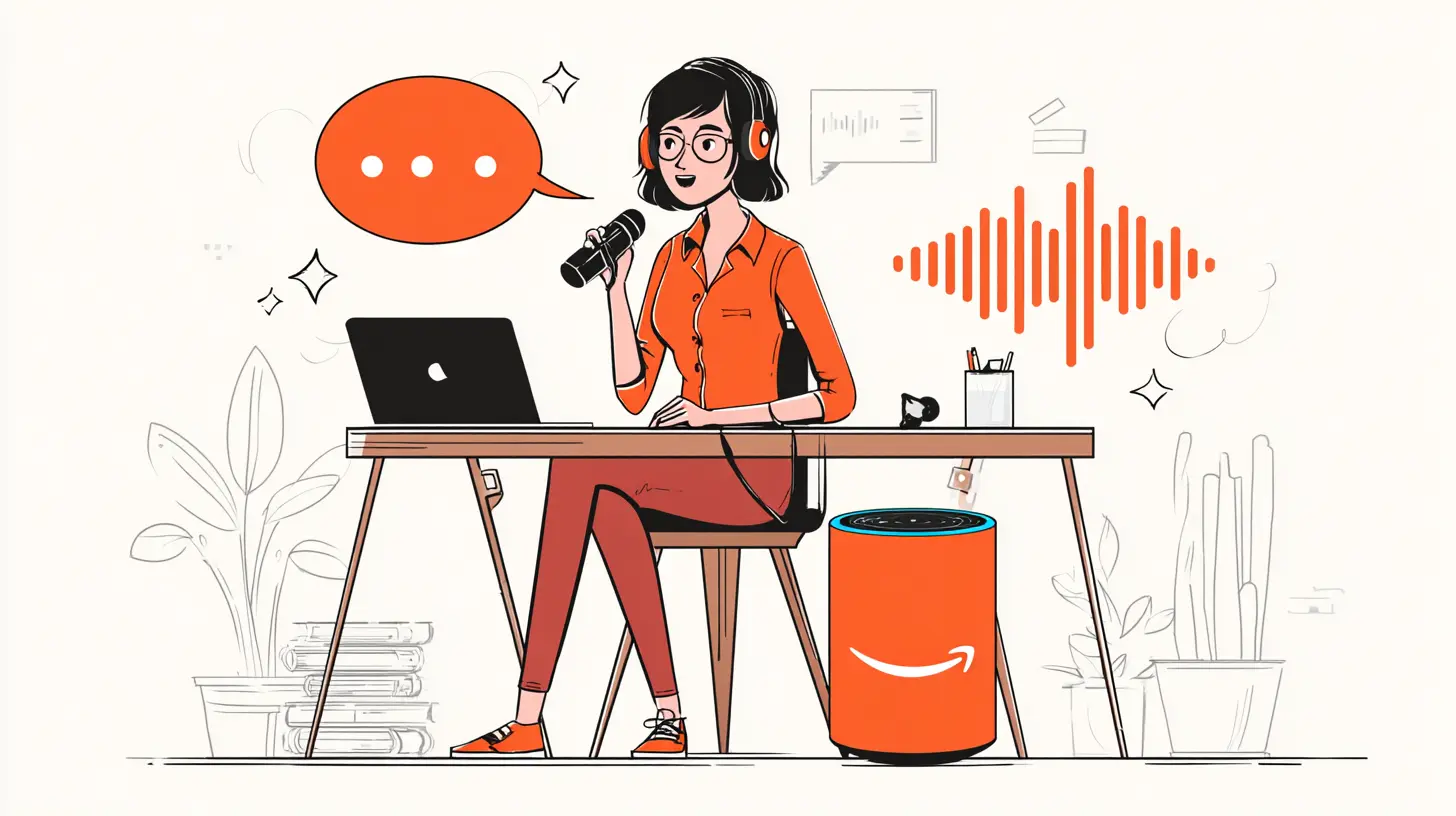
Let’s get one thing straight: the voice assistants of 2026 won’t be the same clunky Siri or Alexa you’re using today. They’re evolving faster than a chameleon on a disco floor. We’re moving from “set a timer” to “analyze my productivity patterns and tell me when I’m most creative.” By 2026, these AI helpers will learn your workflow. They’ll know that you do your best writing between 10 a.m. and noon, that you hate taking calls on Wednesdays, and that you always forget to send invoices for small projects.Here’s where it gets juicy: imagine a voice assistant that integrates with your project management tool, time tracker, and CRM. You finish a client call, and without lifting a finger, your assistant says, “I’ve logged 47 minutes for Project X. Want me to draft a summary email and send it to the client?” You nod (or just say “yes”), and it’s done. It’s not just a voice assistant—it’s a business partner that never sleeps, never asks for a raise, and never takes a vacation.
For freelancers, this hyper-personalization is gold. You don’t have to mold your workflow to fit a rigid software tool anymore. The tool molds to you. And that’s the difference between feeling like a cog in a machine and feeling like the master of your own universe.
The Death of the Keyboard? Not Quite, But Close
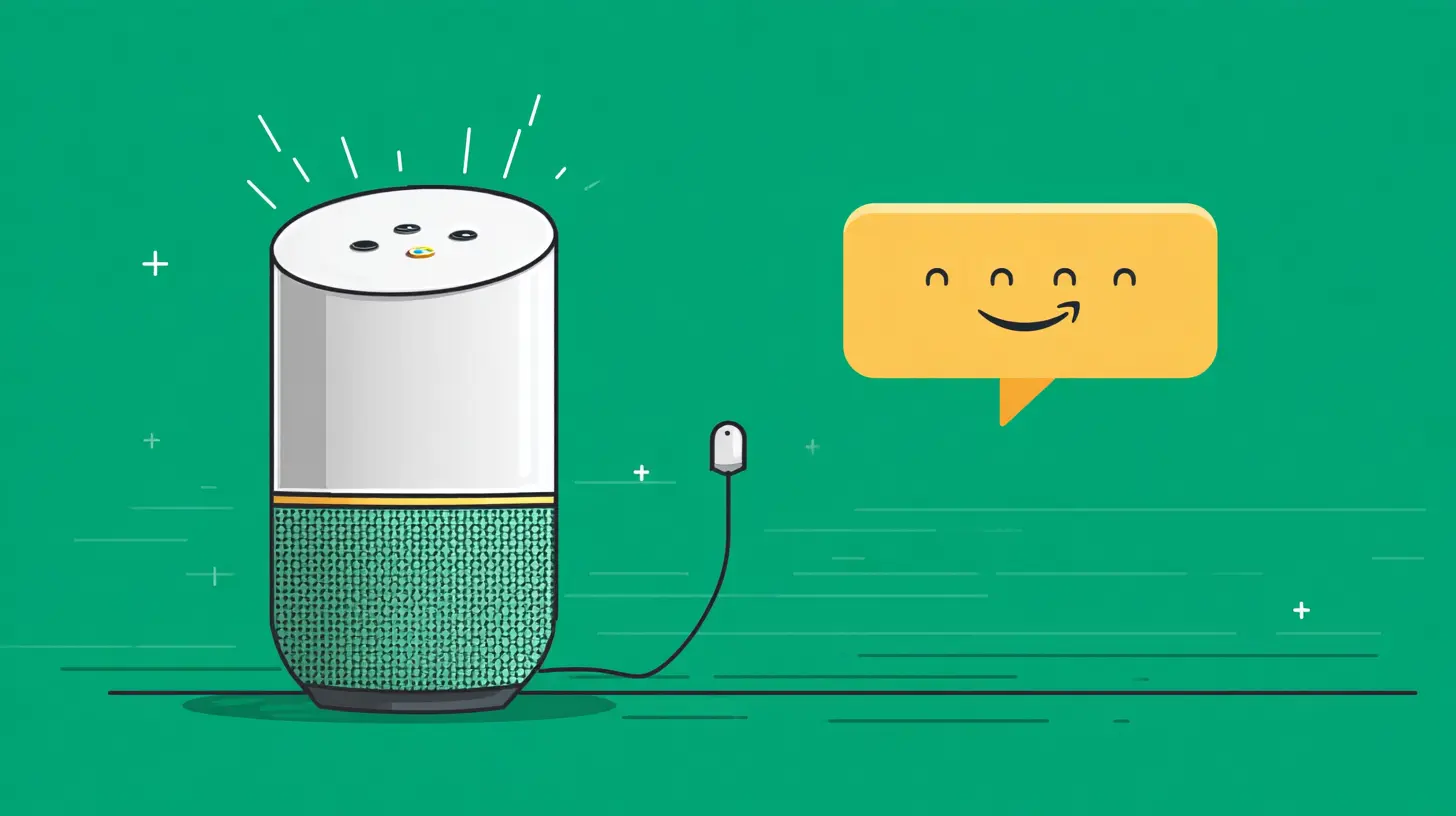
Okay, I’m not here to tell you that keyboards are going extinct. That’s a silly exaggeration. But let’s talk about the context of voice. There are moments when typing is inefficient, impractical, or even impossible. You’re cooking dinner and a client calls with a last-minute change. You’re driving to a co-working space and need to dictate a quick note. You’re lying in bed at 2 a.m. and an idea strikes, but your laptop is across the room. In those moments, voice is not just convenient—it’s a lifeline.By 2026, voice-to-text accuracy will be near-perfect, even with background noise or heavy accents. You’ll be able to dictate an entire blog post while walking your dog, edit it with simple voice commands like “change the third paragraph to be more concise,” and have it formatted correctly. For freelancers, this means you can work anywhere without being glued to a desk. The world becomes your office. A park bench, a coffee shop, a train—all become productive environments.
And let’s not forget accessibility. Voice assistants are a game-changer for freelancers with physical disabilities or repetitive strain injuries. If your wrists are aching from years of typing, a voice-first workflow could be the difference between continuing your career and burning out.
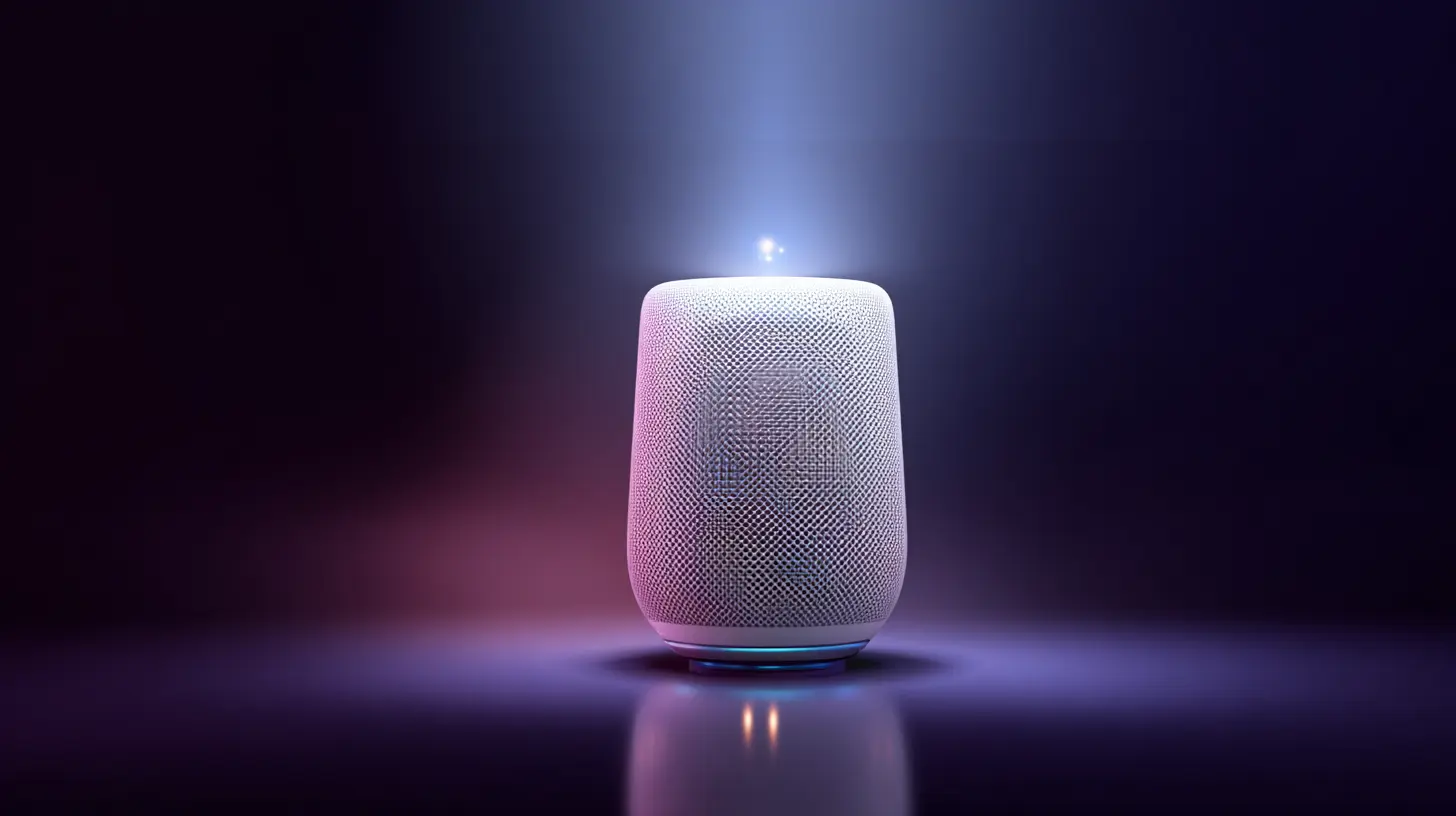
The Invisible Admin: How Voice Kills the Busywork
Let’s drill down into the admin nightmare. You know the drill: tracking expenses, sending invoices, following up on late payments, scheduling social media posts, managing email subscriptions. It’s the grunt work that pays the bills but kills your soul. Voice assistants are about to automate the hell out of this.Imagine this scenario: You just finished a project. You say, “Hey Assistant, send an invoice to Acme Corp for $1,500, referencing Project Blue.” The assistant pulls up the client’s details, generates the invoice, and sends it. Two weeks later, if payment hasn’t arrived, it reminds you to follow up—or even sends a polite reminder automatically. “By the way,” it adds, “you have a tax deduction for that new laptop you bought last month. Want me to log it?”
This isn’t magic. It’s the logical evolution of AI + APIs. By 2026, voice assistants will be deeply integrated with financial software, project management tools, and communication platforms. They’ll act as a central nervous system for your freelance business, orchestrating tasks across different apps without you ever having to touch a mouse.
For a freelancer, this means you can focus on the high-value work—the creative, strategic, and client-facing stuff—while the assistant handles the low-level drudgery. It’s like having a virtual intern who works for free and never complains about coffee runs.
Collaboration Without the Clutter
Freelancing can be lonely, but it’s also deeply collaborative. You’re constantly juggling Slack messages, Zoom calls, and Google Docs with clients, contractors, and collaborators. The problem? Context switching. Every time you jump from a chat to a document to a video call, your brain pays a “switching cost” that drains your mental energy.Voice assistants will smooth this out. By 2026, you’ll be able to say, “Summarize the key decisions from today’s call with Sarah and add them to the project board.” Or, “What’s the status of the design files from Mike?” Your assistant will pull data from multiple sources and give you a concise answer. No more scrolling through endless threads or digging through folders.
Even better, voice assistants will act as a personal memory bank. Ever had that moment where you know you discussed something with a client but can’t remember the details? You’ll just ask, “What did we agree on regarding the deadline extension last week?” and get a transcript summary. It’s like having a photographic memory for your business.
The “Always-On” Safety Net: Scheduling and Deadlines
Deadlines are the heartbeat of freelancing. Miss one, and your reputation takes a hit. But managing multiple deadlines across different clients is a logistical puzzle. Voice assistants will become your personal deadline enforcer.Here’s how it could work: You tell your assistant, “I have three projects due next week. Help me plan my days.” The assistant analyzes your past productivity, the complexity of each task, and your available time slots. It then creates a schedule, blocking out focus time, buffer time, and even breaks. “You should work on Project A Tuesday morning,” it suggests, “because that’s when you’re most creative. Save Project C for Thursday afternoon when you’re better at detail work.”
And if you start to fall behind? It’ll gently nudge you: “Hey, you’re two hours behind on Project B. Want to reschedule your social media posting for later?” It’s not nagging—it’s intelligent prioritization. By 2026, voice assistants will be proactive, not just reactive. They’ll help you avoid the panic of last-minute rushes.
The Freelancer’s Mental Health Ally
Let’s talk about something that doesn’t get enough airtime: burnout. Freelancers are notorious for working too hard, forgetting to eat, and ignoring their own well-being. Voice assistants, by 2026, will have a role in keeping you sane.Picture this: After four hours of intense work, your assistant says, “You’ve been in deep focus mode. Take a 10-minute walk. I’ll block your calendar.” Or, “You haven’t had water in two hours. Your brain needs hydration.” It sounds silly, but these small interventions can prevent the crash that comes from ignoring your body’s signals.
Moreover, voice assistants can help with the emotional side of freelancing. They can offer guided breathing exercises when you’re stressed, or simply say, “You’re doing great. You’ve completed 80% of your weekly goals.” In a world where freelancers often lack external validation, that little voice of encouragement can be surprisingly powerful.
The Privacy Elephant in the Room
Now, let’s address the 800-pound gorilla: privacy. I can hear you thinking, “Wait, I’m supposed to let a voice assistant listen to everything I do? That’s creepy.” And you’re right to be cautious. But by 2026, the technology will have matured significantly. On-device processing (like what Apple’s Neural Engine does) will handle most commands locally, meaning your private conversations aren’t shipped to the cloud. You’ll have granular control over what the assistant can access and when it’s listening.For freelancers dealing with sensitive client data, this is non-negotiable. The good news is that companies are already building privacy-first voice assistants specifically for professionals. Think of it like a VPN for your voice—secure, encrypted, and under your control. The key is to choose tools that prioritize local processing and transparent data policies. By 2026, this will be a standard feature, not a premium add-on.
The Skills You Need to Stay Ahead
If you want to ride the voice assistant wave, you don’t need to become a programmer. But you do need to adapt your workflow. Start now by experimenting with voice commands. Use dictation for your first drafts. Set reminders by voice. Train your assistant to recognize your calendar patterns. The more you use it, the smarter it gets.By 2026, the freelancers who thrive will be the ones who treat their voice assistant as a core team member. They’ll design their processes around voice-first interactions. They’ll ask questions like, “How can I automate this with a simple command?” instead of, “Which app should I open?”
And here’s the kicker: voice assistants will also become a competitive advantage. Imagine telling a potential client, “I can turn around edits in under an hour because my workflow is voice-optimized.” That’s a selling point that screams efficiency and professionalism.
The Bottom Line: Your Voice Is Your Superpower
We’re standing at the edge of a shift that’s as big as the move from desktop to mobile. Voice is the next interface, and for freelancers, it’s tailor-made. It reduces friction, saves time, and frees up mental bandwidth for the work that actually matters. By 2026, not using a voice assistant will be like trying to run a modern business without email—possible, but painfully inefficient.So, here’s my challenge to you: start small. Pick one repetitive task—like setting reminders or dictating emails—and commit to using voice for it for a week. See how it feels. I bet you’ll find yourself wondering how you ever lived without it.
The future of freelancing isn’t about working harder. It’s about working smarter. And your voice is the key that unlocks it. Are you ready to start talking?
all images in this post were generated using AI tools
Category:
Tech For FreelancersAuthor:

John Peterson
Discussion
rate this article
2 comments
Troy Bell
Voice assistants will streamline workflows for freelancers.
May 26, 2026 at 12:17 PM
John Peterson
Absolutely, voice assistants can save freelancers time and help them focus on what really matters.
Rina Sharp
Voice assistants will streamline tasks for freelancers, enhancing productivity and efficiency. Embracing this technology by 2026 is a smart move.
May 24, 2026 at 5:02 AM
John Peterson
I completely agree. Voice assistants will be game-changers for freelancers, making everyday tasks much easier and freeing up time for more important work.