A Tech-Driven Solution to America’s Tax Gap
December 22, 2024 - 01:39
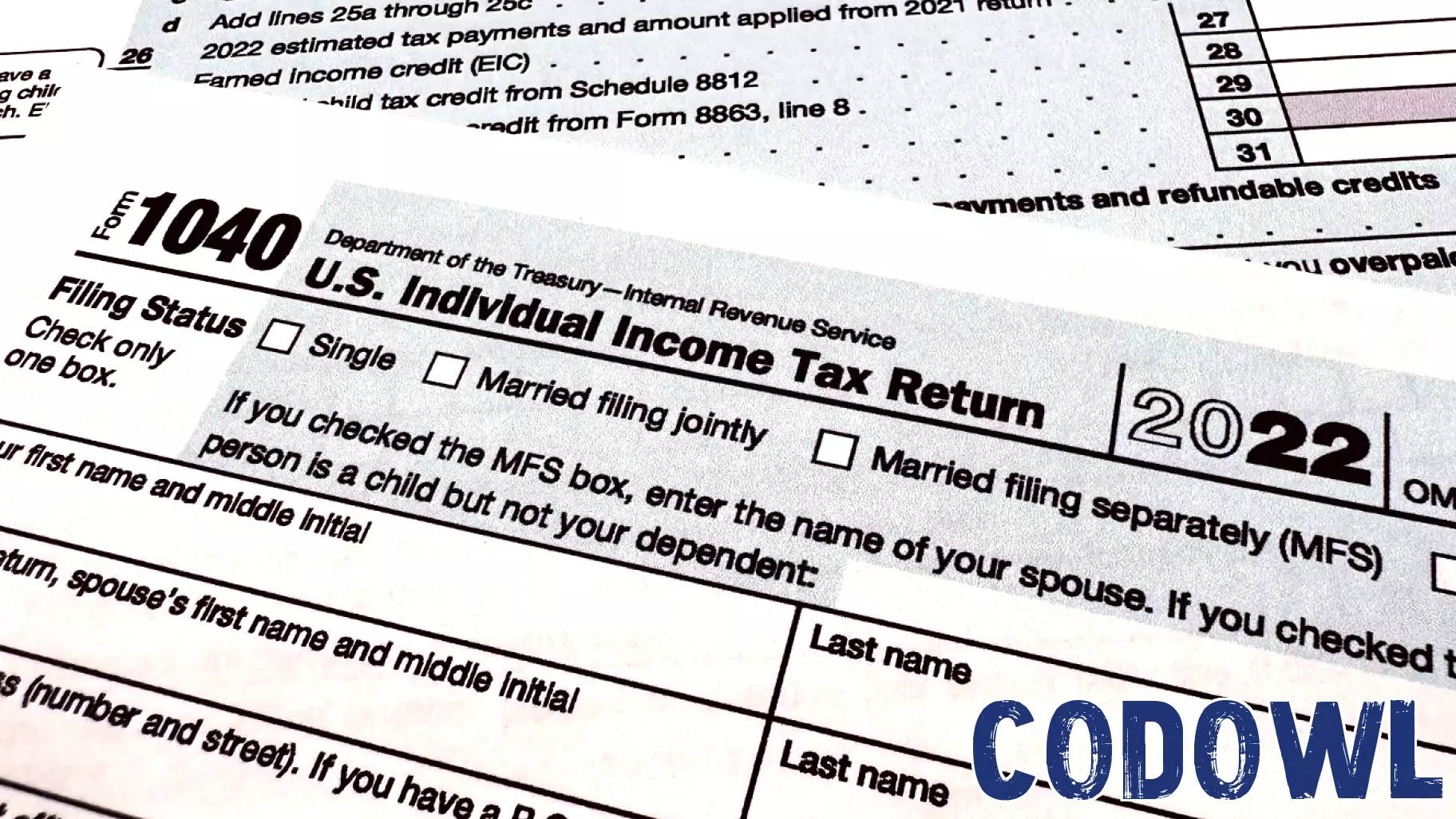
Closing the tax gap in the United States, which is estimated to be a staggering trillion dollars, necessitates a strategic shift towards technology-driven solutions. Leveraging artificial intelligence (AI) can play a pivotal role in this endeavor by streamlining tax compliance and enhancing the efficiency of tax collection processes.
AI can analyze vast amounts of data to identify patterns and anomalies that may indicate tax evasion or underreporting. By automating routine tasks, AI allows tax professionals to focus their efforts on more complex cases that require human judgment and expertise. This tech-first approach not only increases accuracy in tax assessments but also reduces the burden on taxpayers and tax authorities alike.
Furthermore, implementing AI tools can facilitate better communication and transparency between taxpayers and the IRS, fostering a culture of compliance. As technology continues to evolve, it presents a unique opportunity to bridge the gap between what is owed and what is collected, ultimately contributing to a more equitable tax system.
MORE NEWS

September 18, 2026 - 12:04
Using Martian Resources to Power the Trip HomeMIT PhD candidate Lanie McKinney is working on technologies that could allow humans to explore Mars and make it back safely. Her research centers on using materials already present on the planet to...

September 17, 2026 - 19:47
Pennsylvania Adds Chip Technology to EBT Cards to Curb SNAP TheftMore than 1.7 million Pennsylvanians who receive Supplemental Nutrition Assistance Program benefits will soon receive EBT cards equipped with chip technology. The change is part of a broader effort...

September 17, 2026 - 04:44
Carbondale Area Science and Technology Club hosts STEM Night for elementary studentsMembers of the Carbondale Area High School Science and Technology Club hosted a `Blast Off to Summer` STEM Night for Carbondale Area Elementary students toward the end of the 2025-26 school year....

September 16, 2026 - 22:14
Microserve Ranks No. 4 Among B.C.'s Top Grossing Science and Technology CompaniesMicroserve has earned a significant recognition in the provincial technology sector. The company was ranked No. 4 among British Columbia`s highest revenue generating science and technology...