How Handheld 3D Scanners Are Reshaping Creative and Cultural Work
May 8, 2026 - 22:11
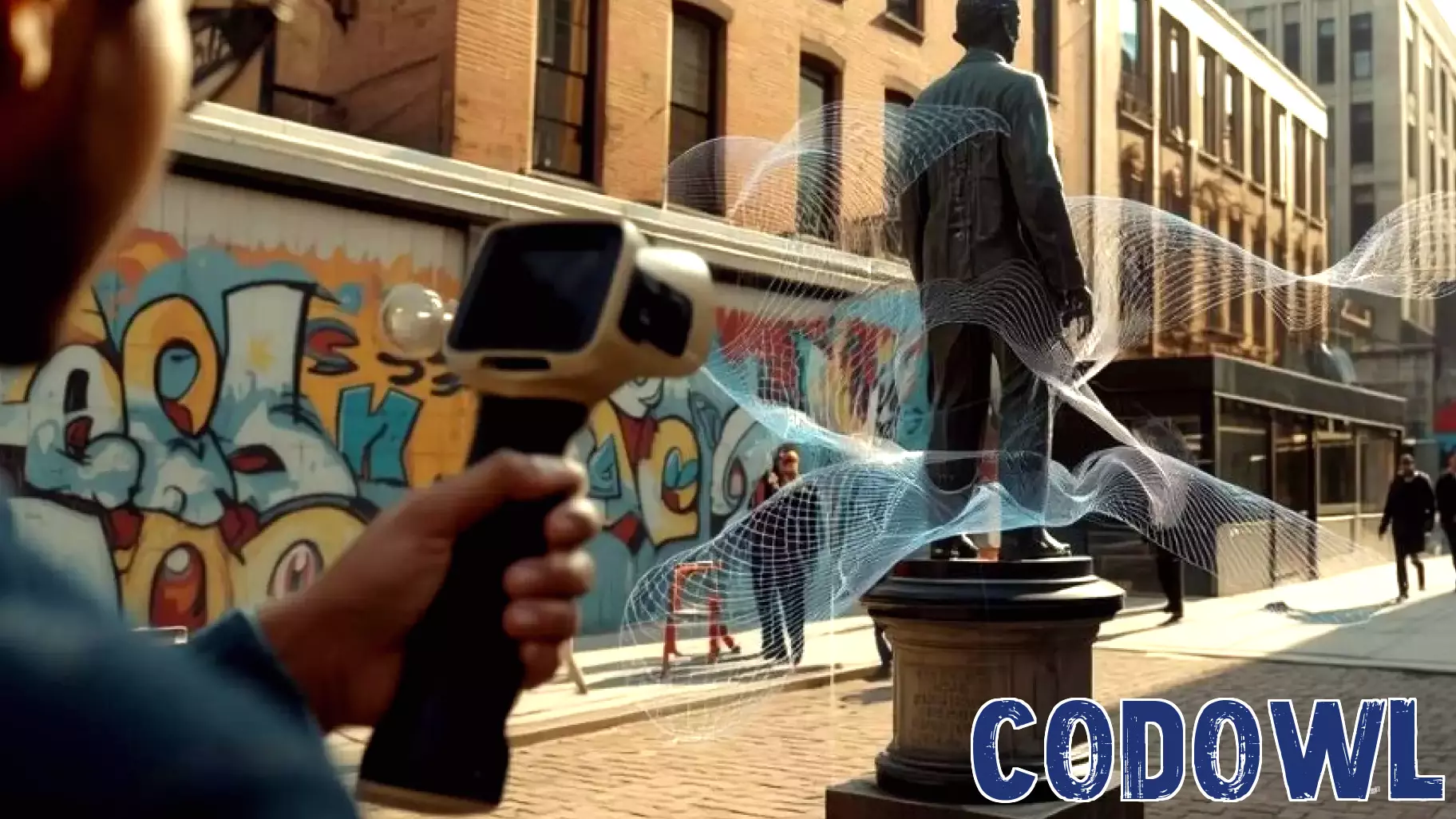
The line between art and technology keeps getting thinner. Handheld 3D scanners, once a niche tool for engineers and industrial designers, are now showing up in museums, artist studios, and cultural preservation projects around the world. This shift is not just about having a new gadget. It is about changing how people capture, share, and reimagine physical reality.
For artists, the appeal is obvious. A handheld scanner lets you grab the exact shape and texture of an object in minutes. Sculptors use them to digitize clay models before making final casts. Painters scan found objects and turn them into digital elements for mixed media work. The scanner becomes a bridge between the messy, tactile world and the clean, editable space of a computer. You can scan a weathered stone, a crumpled piece of fabric, or a hand-carved wooden figure, and then manipulate that data however you want.
Cultural institutions are also finding new uses. Museums use handheld scanners to create high-resolution digital copies of fragile artifacts. Instead of handling a thousand-year-old pottery shard every time a researcher needs to study it, they scan it once. The digital version can be examined, measured, and even 3D printed for educational displays. This reduces wear on the original object and makes it accessible to people who cannot travel to the museum.
Archaeologists are taking these scanners into the field. A portable device can capture a burial site or a crumbling wall in full detail before erosion or development destroys it. The data becomes a permanent record that can be studied for decades. In some cases, scans have revealed details invisible to the naked eye, like faint carvings or tool marks.
The technology has also dropped in price and complexity. Early scanners required a steady hand, good lighting, and expensive software. Now many models work with a tablet or laptop, and the software handles alignment and cleanup automatically. This lowers the barrier for small studios, independent artists, and local historical societies.
Of course, the tool is not magic. You still need to understand lighting, surface texture, and how to move the scanner for best results. But the learning curve is much shorter than it used to be. And the payoff is real: a digital twin of a physical object that can be shared, modified, archived, or printed.
As more creative people and cultural workers adopt handheld 3D scanning, the boundary between physical and digital keeps dissolving. That is not a threat to traditional craft or heritage. It is an extension of what humans have always done, using the best tools available to capture and remake the world around them.
MORE NEWS
September 18, 2026 - 12:04
Using Martian Resources to Power the Trip HomeMIT PhD candidate Lanie McKinney is working on technologies that could allow humans to explore Mars and make it back safely. Her research centers on using materials already present on the planet to...

September 17, 2026 - 19:47
Pennsylvania Adds Chip Technology to EBT Cards to Curb SNAP TheftMore than 1.7 million Pennsylvanians who receive Supplemental Nutrition Assistance Program benefits will soon receive EBT cards equipped with chip technology. The change is part of a broader effort...
September 17, 2026 - 04:44
Carbondale Area Science and Technology Club hosts STEM Night for elementary studentsMembers of the Carbondale Area High School Science and Technology Club hosted a `Blast Off to Summer` STEM Night for Carbondale Area Elementary students toward the end of the 2025-26 school year....

September 16, 2026 - 22:14
Microserve Ranks No. 4 Among B.C.'s Top Grossing Science and Technology CompaniesMicroserve has earned a significant recognition in the provincial technology sector. The company was ranked No. 4 among British Columbia`s highest revenue generating science and technology...