Innovative bNIRS Technology Shows Promise for Dementia Diagnosis
September 11, 2025 - 21:00

Early and accurate diagnosis of dementia continues to pose a significant challenge in the medical field. Traditional diagnostic methods, including MRI and PET scans, offer critical insights into brain structure and function. However, these techniques can be prohibitively expensive and are not universally accessible, making them less practical for routine use or repeated assessments.
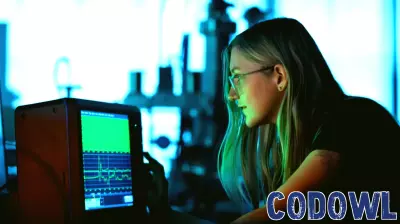
Recent advancements in compact brain near-infrared spectroscopy (bNIRS) technology present a potential solution to these issues. This innovative approach is designed to be more affordable and portable, allowing for easier access in various healthcare settings. By utilizing bNIRS, clinicians may be able to obtain real-time data on brain activity, which could lead to earlier detection of dementia-related changes.
As researchers continue to explore the capabilities of bNIRS technology, it holds the promise of becoming a vital diagnostic toolkit for dementia, ultimately improving patient outcomes and enhancing the quality of care provided to those affected by this challenging condition.
MORE NEWS
September 18, 2026 - 12:04
Using Martian Resources to Power the Trip HomeMIT PhD candidate Lanie McKinney is working on technologies that could allow humans to explore Mars and make it back safely. Her research centers on using materials already present on the planet to...

September 17, 2026 - 19:47
Pennsylvania Adds Chip Technology to EBT Cards to Curb SNAP TheftMore than 1.7 million Pennsylvanians who receive Supplemental Nutrition Assistance Program benefits will soon receive EBT cards equipped with chip technology. The change is part of a broader effort...

September 17, 2026 - 04:44
Carbondale Area Science and Technology Club hosts STEM Night for elementary studentsMembers of the Carbondale Area High School Science and Technology Club hosted a `Blast Off to Summer` STEM Night for Carbondale Area Elementary students toward the end of the 2025-26 school year....

September 16, 2026 - 22:14
Microserve Ranks No. 4 Among B.C.'s Top Grossing Science and Technology CompaniesMicroserve has earned a significant recognition in the provincial technology sector. The company was ranked No. 4 among British Columbia`s highest revenue generating science and technology...