Is AI Translating Tamil Literature? Publishers On New Technology | Chennai News - The Times of India
January 25, 2026 - 18:27
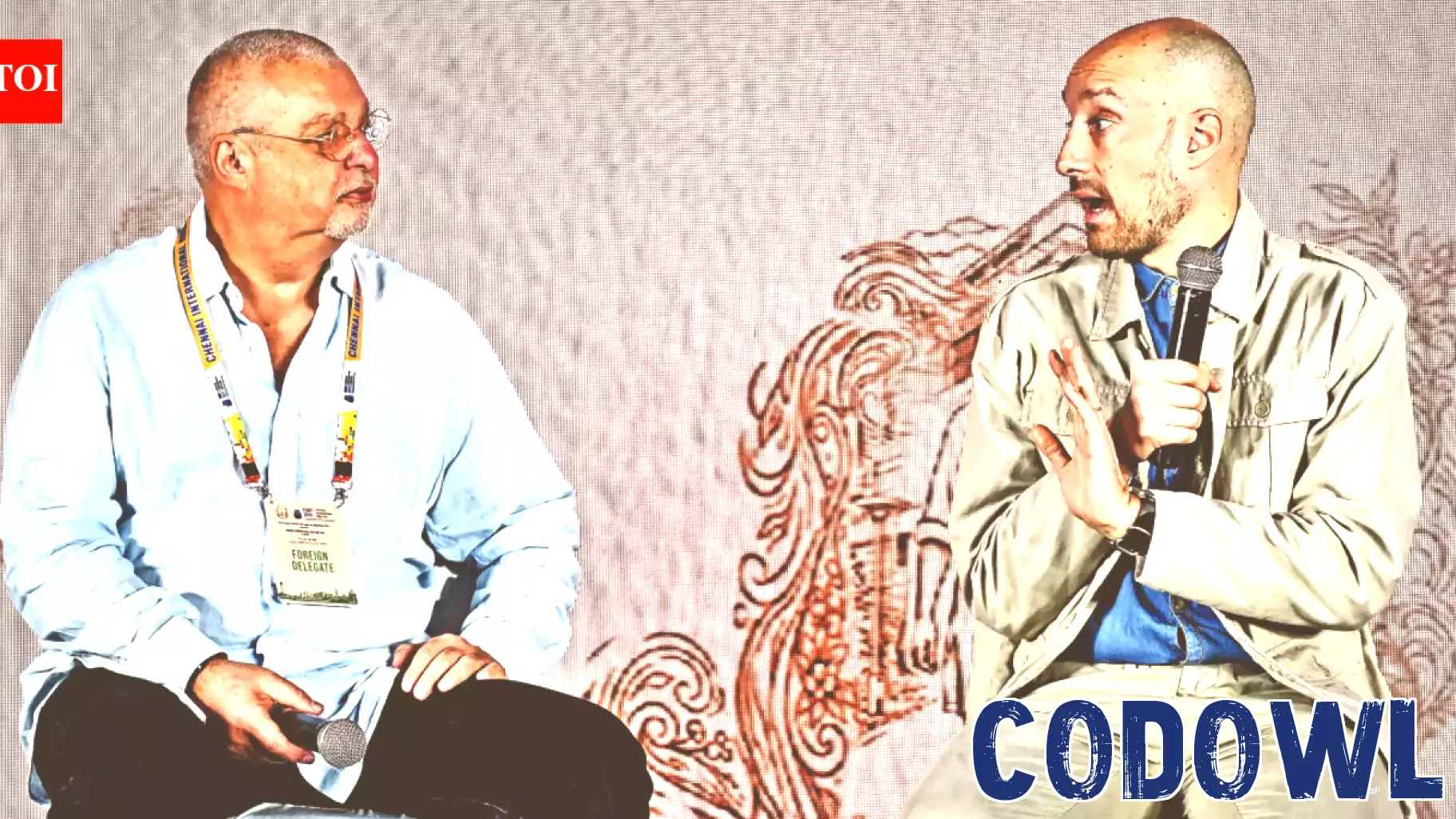
A recent Tamil translation of Umberto Eco’s celebrated novel, ‘The Name of the Rose,’ has sparked significant debate within literary circles. The controversy centers not on the book's long-awaited arrival in Tamil, but on widespread online criticism alleging the use of artificial intelligence in the translation process.
This incident has forced publishers and translators to confront the rapidly evolving role of new technology in literature. Proponents argue that AI can be a powerful tool for initial drafts or handling technical texts, potentially increasing the speed and volume of works made available. It could also assist human translators with complex terminology.
However, critics express deep concern. They emphasize that literary translation is an art form, requiring a nuanced understanding of cultural context, poetic sensibility, and the author's unique voice—qualities they believe AI cannot replicate. The fear is that an over-reliance on algorithms could lead to sterile, homogenized translations that lose the soul and subtleties of the original work.
The publishing industry now faces a critical moment of reflection. The core question is whether AI will serve as a mere assistant to human creativity or become a replacement, potentially altering the very fabric of how literary heritage is preserved and shared. The discussion in Chennai and beyond continues as stakeholders navigate this uncharted territory.
MORE NEWS
September 18, 2026 - 12:04
Using Martian Resources to Power the Trip HomeMIT PhD candidate Lanie McKinney is working on technologies that could allow humans to explore Mars and make it back safely. Her research centers on using materials already present on the planet to...

September 17, 2026 - 19:47
Pennsylvania Adds Chip Technology to EBT Cards to Curb SNAP TheftMore than 1.7 million Pennsylvanians who receive Supplemental Nutrition Assistance Program benefits will soon receive EBT cards equipped with chip technology. The change is part of a broader effort...
September 17, 2026 - 04:44
Carbondale Area Science and Technology Club hosts STEM Night for elementary studentsMembers of the Carbondale Area High School Science and Technology Club hosted a `Blast Off to Summer` STEM Night for Carbondale Area Elementary students toward the end of the 2025-26 school year....

September 16, 2026 - 22:14
Microserve Ranks No. 4 Among B.C.'s Top Grossing Science and Technology CompaniesMicroserve has earned a significant recognition in the provincial technology sector. The company was ranked No. 4 among British Columbia`s highest revenue generating science and technology...