Innovative Protein Adapter Technology Enhances Exosome-Based Drug Delivery
April 24, 2025 - 18:43
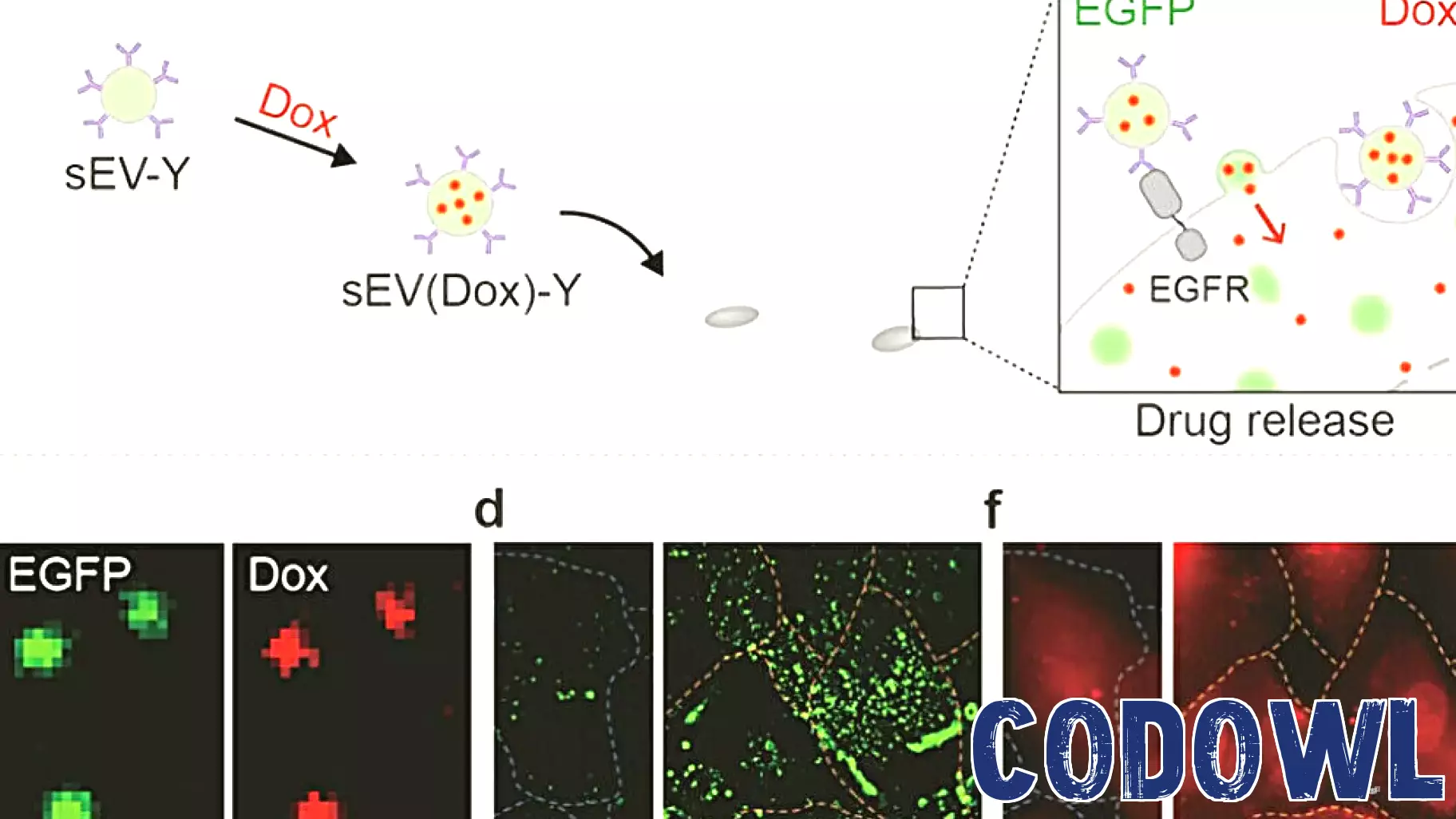
A collaborative research team has unveiled a groundbreaking modular protein adapter technology that facilitates the stable attachment of diverse substances to the surfaces of extracellular vesicles, commonly known as exosomes. This innovative approach is set to revolutionize the field of precision medicine by improving the delivery mechanisms of therapeutic agents.
The modular design allows for the customization of exosome surfaces, making it possible to attach a wide range of biomolecules, including proteins, peptides, and nucleic acids. This versatility is crucial for enhancing the targeting capabilities of drug delivery systems, enabling them to reach specific cells or tissues more effectively.
Researchers believe that this technology could significantly improve the efficacy of treatments for various diseases, including cancer and neurodegenerative disorders, by ensuring that drugs are delivered precisely where they are needed. As the field of nanomedicine continues to advance, this development represents a promising step forward in the quest for more effective and personalized therapeutic options.
MORE NEWS
September 18, 2026 - 12:04
Using Martian Resources to Power the Trip HomeMIT PhD candidate Lanie McKinney is working on technologies that could allow humans to explore Mars and make it back safely. Her research centers on using materials already present on the planet to...

September 17, 2026 - 19:47
Pennsylvania Adds Chip Technology to EBT Cards to Curb SNAP TheftMore than 1.7 million Pennsylvanians who receive Supplemental Nutrition Assistance Program benefits will soon receive EBT cards equipped with chip technology. The change is part of a broader effort...

September 17, 2026 - 04:44
Carbondale Area Science and Technology Club hosts STEM Night for elementary studentsMembers of the Carbondale Area High School Science and Technology Club hosted a `Blast Off to Summer` STEM Night for Carbondale Area Elementary students toward the end of the 2025-26 school year....

September 16, 2026 - 22:14
Microserve Ranks No. 4 Among B.C.'s Top Grossing Science and Technology CompaniesMicroserve has earned a significant recognition in the provincial technology sector. The company was ranked No. 4 among British Columbia`s highest revenue generating science and technology...